









What Does Tooth Removal Really Cost in Shenzhen? – Find Out
Thinking about getting a tooth removed in Shenzhen, but not sure what the final bill might look like? You’re not alone. Whether it’s a stubborn wisdom tooth, a broken molar, or a badly decayed tooth, “cost” isn’t just one number—it’s a combination of factors that add up from consultation to follow-up. Here’s a clear, practical guide to help you understand what drives the price of tooth extraction in Shenzhen and how to plan with confidence.
What actually drives the cost
- Type of extraction: A straightforward removal of a loose or erupted tooth is simpler and typically less costly than a surgical extraction. Impacted wisdom teeth—especially those angled or partially covered by gum or bone—take more time, skill, and instruments.
- Anesthesia and sedation: Most extractions use local anesthesia. If you choose nitrous oxide or IV sedation for comfort, fees increase to cover medication, monitoring, and an anesthetist where applicable.
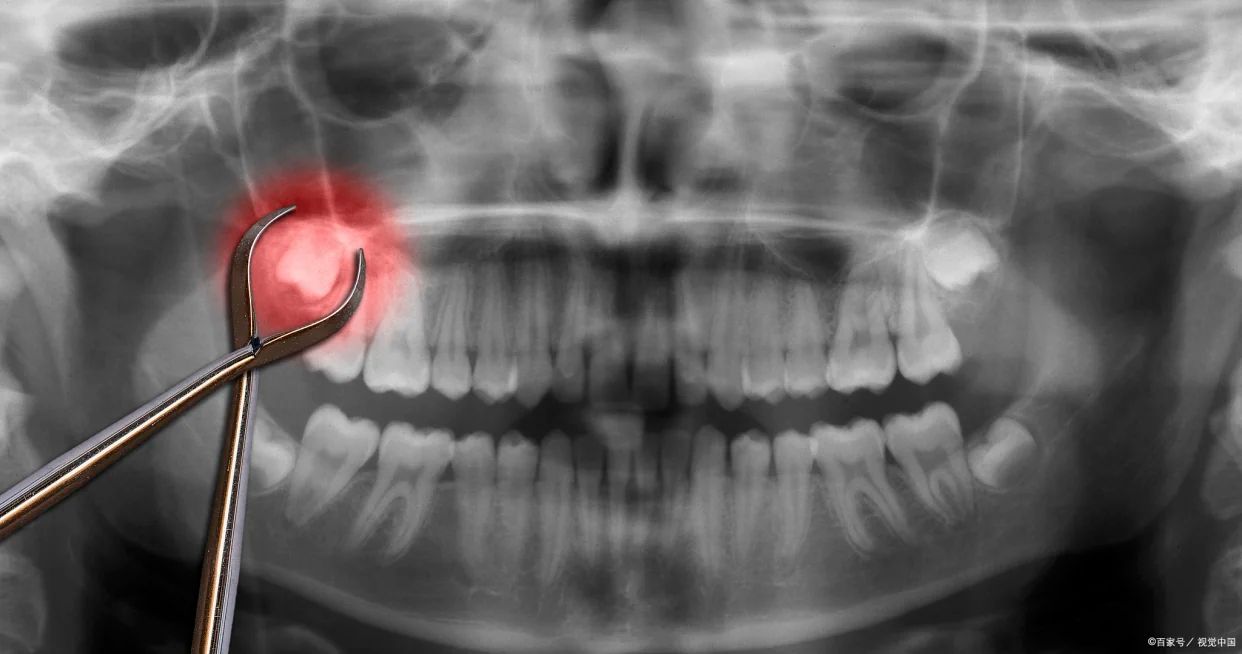
- Imaging and diagnostics: A panoramic X-ray is common; complex cases may require a CBCT 3D scan for nerve and sinus mapping. Additional imaging adds to the total.
- Clinic setting: Public hospital dental departments may be more budget-friendly but could involve longer wait times. Private clinics often offer faster scheduling, extended hours, and multilingual support, which can influence pricing.
- Dentist experience: Senior oral surgeons and specialists who handle complex wisdom tooth extractions can command higher fees, reflecting advanced expertise and reduced risk.
- Urgency and timing: Same-day or after-hours appointments, emergencies, or weekend procedures may include surcharges.
- Sterilization and disposables: High standards for infection control are non-negotiable, and clinics may itemize consumables and surgical kits.
- Medications and aftercare: Pain control, antibiotics (if clinically indicated), stitches removal, and follow-up checks can be included—or billed separately.
- Location within Shenzhen: Clinics in prime business districts may have higher overheads than community practices.
Public vs. private care in Shenzhen
- Public hospitals: Good for medically necessary extractions and complex cases, with robust surgical capacity. Appointments might require more planning and waiting.
- Private dental clinics: Often provide quicker access, longer opening hours, English-speaking staff, and more personalized service, which can influence overall costs.
- University or teaching clinics: Availability varies, but supervised care by residents can be a cost-sensitive option for certain procedures.
What should be included in your quote
Before you commit, ask for an itemized estimate. A transparent quote typically covers:
- Initial consultation and treatment plan
- Required imaging (panoramic X-ray, CBCT if needed)
- Local anesthesia or sedation and monitoring
- The extraction itself (simple vs. surgical)
- Surgical supplies (sutures, membranes if used)
- Medications and post-op instructions
- Follow-up visit(s), including suture removal
Hidden charges to ask about
- Additional imaging if the first X-ray isn’t sufficient
- Sterilization/PPE or “surgical pack” fees
- Sedation setup and recovery time
- After-hours or weekend surcharges
- Extra follow-up appointments beyond the first visit
Insurance and reimbursement basics
- Mainland China social insurance: In some cases, medically necessary extractions done at designated facilities may be partially reimbursable. Coverage and processes vary, so confirm eligibility, referral requirements, and whether the c
linic is within your network.
- Private or expat insurance: Policies differ widely. Check if extractions are covered as “major treatment,” whether pre-authorization is required, and if the clinic can direct bill your provider or if you’ll submit receipts for reimbursement. Always keep itemized invoices and diagnostic reports.
How to choose the right dentist in Shenzhen
- Verify licensing: Look for clearly displayed licenses and ask about the dentist’s specialty (e.g., oral and maxillofacial surgery).
- Ask about case volume: For impacted wisdom teeth, experience matters—ask how often the dentist performs similar extractions.
- Evaluate communication: Clear explanations of risks, benefits, and alternatives are a sign of good clinical practice.
- Check technology and hygiene: Digital X-rays, CBCT access, and strict sterilization protocols indicate a quality-focused clinic.
- Compare itemized quotes: Make sure you’re comparing apples to apples—what’s included, who performs the procedure, and the aftercare plan.
Smart ways to plan and save without cutting corners
- Get a pre-quote with your X-ray: If you already have a recent panoramic image, share it to receive a more precise estimate before booking.
- Consider timing: Scheduling during regular hours can avoid surcharges.
- Choose appropriate anesthesia: If you’re comfortable with local anesthesia, you may avoid sedation-related fees.
- Bundle when reasonable: Some clinics offer package pricing that includes imaging, extraction, and follow-up.
- Explore public options: If you’re flexible with scheduling, a public hospital dental department can be cost-effective for medically necessary extractions.
What to expect on the day
- Time: A simple extraction can be quick; a surgical wisdom tooth removal takes longer due to flap design, bone contouring, and suturing.
- Comfort: You’ll be numb with local anesthesia. If using sedation, you’ll need an escort and extra recovery time.
- Aftercare: Expect gauze pressure, ice packs, soft foods, no straws or smoking, and gentle oral hygiene around the area. Most people resume light activities within a day or two; more complex surgeries may require additional downtime.
Common questions
- Is tooth removal painful? You should feel pressure, not sharp pain, during the procedure. Post-op discomfort is normal and manageable with recommended medications and care.
- Do I need antibiotics? Not always. Dentists prescribe them based on infection risk, medical history, and the complexity of the extraction.
- Can I work the next day? Many patients return to desk work within 24–48 hours after simple extractions; surgical cases may need more rest.
- Will I need a CBCT scan? Only if nerve proximity, sinus involvement, or complex impaction is suspected. Your dentist will explain why it’s recommended.
How to get an accurate, no-surprises estimate in Shenzhen
1) Book a consultation and bring any recent dental X-rays.
2) Ask for an itemized plan that separates diagnostics, anesthesia, the extraction, and follow-ups.
3) Confirm who will perform the procedure and their qualifications.
4) Clarify whether medications, stitches removal, and emergency check-ins are included.
5) Verify insurance options, direct billing, and payment methods.
Bottom line
The true cost of tooth removal in Shenzhen isn’t a single figure—it’s a combination of complexity, clinical setting, imaging, anesthesia, and aftercare. By asking the right questions, comparing itemized quotes, and choosing a qualified dentist, you can balance comfort, safety, and value—and walk into your extraction day with confidence.
















