









Swelling Near Tooth: Causes, Risks & What to Expect
Noticing a tender bump or puffiness near a tooth can be unsettling. Sometimes it’s just minor irritation. Other times, swelling can signal an infection that needs prompt attention. Understanding common causes, warning signs, and what treatment typically involves can help you act confidently and protect your oral health.
What causes swelling near a tooth?
Several issues can lead to localized swelling around a tooth or in the gums:
- Gum abscess (periodontal abscess): A deep gum infection often caused by advanced gum disease, trapped food debris, or a cracked tooth allowing bacteria to penetrate. The area may feel spongy, painful, and may release pus.
- Tooth abscess (periapical abscess): An infection at the tip of the tooth’s root, typically from untreated decay or a failed filling. It may present as a pimple-like bump on the gum and can cause throbbing pain, sensitivity, and swelling.
- Food impaction and irritation: Popcorn hulls, seeds, or tough meats can lodge between teeth, inflaming the gum. If bacteria build up, irritation can escalate to infection and swelling.
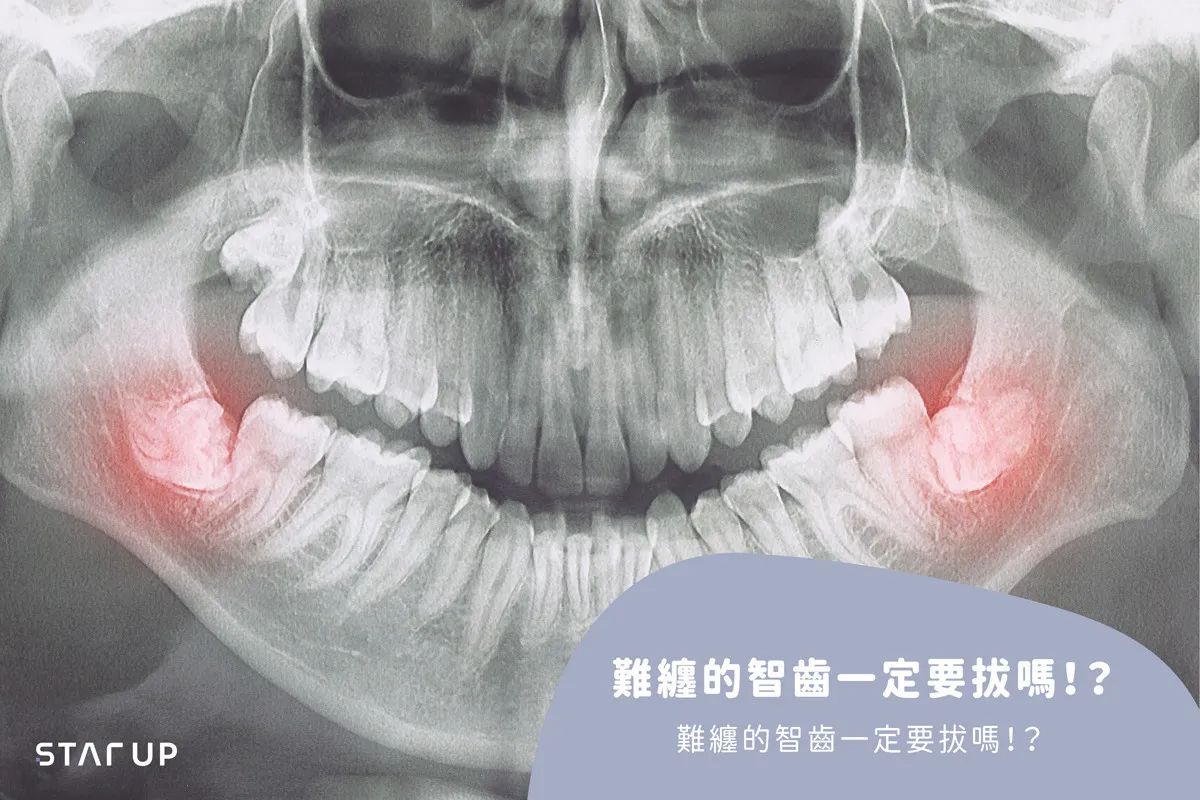
- Wisdom tooth problems: Partially erupted wisdom teeth can create gum flaps (pericoronitis) where bacteria accumulate, causing swelling, bad taste, and difficulty opening the mouth.
- Trauma or dental work: A recent bump to the mouth, a new filling, or a deep cleaning can temporarily irritate tissues. Mild swelling usually settles in a day or two but should be monitored.
- Cysts and other growths: Though less common, benign cysts or lesions can appear near teeth and cause localized swelling. These require evaluation to rule out more serious pathology.
- Sinus involvement: Upper back teeth sit near the sinus cavities. Sinus inflammation or infection can mimic tooth-related swelling or tenderness in that area.
- Allergic reaction: Sensitivity to certain dental materials or oral care products can irritate gums and cause mild swelling, often along with redness or itching.
Symptoms that deserve urgent attention
Swelling can become dangerous if bacteria spread beyond the tooth and gum. Seek urgent care if you notice:
- Fever, chills, or feeling unwell
- Rapidly increasing facial swelling or swelling that spreads toward the eye, jaw, or neck
- Difficulty breathing, swallowing, or opening the mouth
- Severe, constant pain or a foul taste from draining pus
- Firm swelling under the tongue or in the floor of the mouth
- A child with facial swelling and fever
People with diabetes, heart conditions, suppressed immune systems, or those who are pregnant should be particularly cautious and contact a dentist or physician promptly if swelling occurs.
Why untreated swelling is risky
Ignoring swelling near a tooth can allow infection to advance. Potential complications include:
- Deep tissue spread (cellulitis) and abscess formation
- Bone infection (osteomyelitis) around the jaw
- Ludwig’s angina, a serious infection under the tongue that can compromise the airway
- Systemic infection (sepsis), which can be life-threatening
Early, appropriate care dramatically reduces these risks and preserves tooth and gum health.
What to expect at the dentist
A thoughtful, step-by-step evaluation helps target the cause:
- Medical and dental history: Your dentist will ask about pain, triggers (chewing, temperature), recent dental work, and overall health.
- Clinical exam: They’ll check for gum pockets, mobility, cracks, decay, and drainage points. Percussion (tapping) and palpation help pinpoint
the source.
- Imaging: X-rays or 3D scans may be taken to spot decay, bone loss, root infections, or hidden issues like cysts.
- Vitality tests: Cold or electric pulp testing assesses the health of the tooth nerve.
Treatment varies based on the diagnosis:
- Drainage of an abscess: Relieves pressure and removes pus. You may feel immediate reduction in pain once pressure releases.
- Deep cleaning (scaling and root planing): For gum abscesses, cleaning out bacteria under the gum line helps tissues heal.
- Root canal therapy: For a tooth abscess, cleaning the infected canal inside the tooth and sealing it removes the source while preserving the tooth.
- Extraction: Severely damaged or non-restorable teeth may need removal, especially impacted wisdom teeth contributing to recurrent infection.
- Antibiotics: Prescribed only when appropriate (fever, systemic signs, spreading infection). Antibiotics alone won’t fix the source; definitive dental treatment is essential.
- Pain control: Over-the-counter pain relievers may be recommended. Avoid placing aspirin directly on gums—it can burn tissue.
- Rinses and follow-up: Warm saltwater rinses and instructions for hygiene help recovery. A follow-up visit confirms healing.
Home care tips while you arrange an appointment
- Gently floss and rinse: Carefully remove any trapped food. Use a warm saltwater rinse (half a teaspoon of salt in a cup of warm water) several times a day.
- Cold compress: Apply a cold pack to the cheek for 10 minutes on, 10 minutes off to reduce swelling.
- Keep the area clean: Brush softly around the swollen area with a soft-bristle toothbrush. Avoid harsh mouthwashes that sting.
- Pain relief: Use over-the-counter pain medication as directed by a healthcare professional.
- Don’t pop or squeeze: Trying to drain swelling at home can worsen infection and spread bacteria.
Prevention strategies that work
- Brush twice a day and floss daily: Consistent, thorough cleaning prevents plaque buildup and gum inflammation.
- Replace worn toothbrushes: Every three to four months or sooner if bristles fray.
- Professional checkups: Routine exams and cleanings catch early issues before they swell into bigger problems.
- Treat cavities and gum disease promptly: Delays give bacteria time to penetrate tissues and roots.
- Address dry mouth: Stay hydrated, consider sugar-free gum to stimulate saliva, and discuss medications with your provider.
- Protect teeth: Use a mouthguard for sports and discuss nightguards if you clench or grind.
Common questions
Is swelling always an infection? Not always. Irritation, minor trauma, or allergies can cause swelling, but infection is a frequent culprit near teeth. If swelling persists beyond 24–48 hours or is painful, get it checked.
Do antibiotics fix the problem? Antibiotics can help control spreading infection, but they don’t remove the source. Drainage, cleaning, root canal therapy, or extraction is often needed for a lasting solution.
How long does swelling last? With proper treatment, swelling typically begins to improve within 24–48 hours. Complete resolution can take several days to a week, depending on the severity.
The bottom line
Swelling near a tooth is a signal worth taking seriously. While some causes are minor, infections near teeth and gums can escalate quickly without care. Early evaluation, targeted treatment, and good home hygiene are the keys to fast relief and long-term health. If you’re unsure or symptoms are severe, don’t wait—contact a dental professional and get the help you need.
















