









Dental Implants in Shenzhen: A First-Timer’s Guide
Thinking about dental implants in Shenzhen but not sure where to start? You’re not alone. As one of China’s most modern cities, Shenzhen offers advanced dental care, English-friendly clinics in key districts, and a streamlined experience for both residents and visitors. This guide walks you through the essentials—from understanding the procedure to choosing the right clinic and navigating your first appointment—so you can make confident, informed decisions.
What a Dental Implant Is (and Isn’t)
A dental implant replaces a missing tooth root with a biocompatible post (usually titanium, occasionally zirconia). After the post bonds with your jawbone, an abutment connects it to a custom-made crown that looks and functions like a natural tooth. Implants can replace a single tooth, support a bridge, or anchor full-arch solutions such as All-on-4. They don’t rely on neighboring teeth for support, and with proper care, they can last many years.
Who Is a Good Candidate
Most healthy adults are candidates, but your dentist will evaluate:
- Jawbone volume and density (via 3D CBCT scans)
- Gum health and oral hygiene
- Medical conditions and medications that affect healing
- Habits such as smoking, which can slow recovery
If you’ve had missing teeth for a while, your dentist may recommend bone grafting or a sinus lift to build sufficient support.
How to Choose a Shenzhen Clinic
Shenzhen’s dental scene is diverse, with clinics clustered in districts like Futian, Nanshan, and Luohu. Look for:
- Qualifications and experience: Seek licensed stomatologists with specific implant training and a strong case portfolio.
- Technology: CBCT, intraoral scanners, and guided surgery can enhance accuracy and comfort.
- Hygiene and safety: Ask about sterilization protocols, autoclave monitoring, and use of single-use consumables.
- Communication: English-speaking staff and clear explanations, including written treatment plans and consent forms.
- Aftercare support: Accessible follow-ups, emergency contact information, and maintenance plans.
- Transparent timelines: A realistic schedule for each phase, especially if you’re traveling or have a tight calendar.
The Typical Treatment Timeline
Your journey usually unfolds in stages:
1) Consultation and planning: Expect X-rays, a 3D CBCT scan, periodontal assessment, and a discussion of goals. Your dentist will map out options such as immediate placement (implant on the day of extraction) versus delayed placement (after healing), and whether grafting is needed.
2) Surgery day: Performed under local anesthesia with optional sedation, the dentist places the implant into the jawbone. Many clinics use digital planning and 3D-printed surgical guides for precision. If esthetics are a concern for front teeth, a temporary crown or flipper may be provided.
3) Healing period: Osseointegration (the bone bonding to the implant) typically takes several weeks to a few months, depending on health, bone quality, and whether grafting was done. During this time, you’ll maintain meticulous oral hygiene and follow dietary guidance.
4) Abutment and crown: After integration is confirmed, an abutment is attached and impressions or scans are taken for your final crown. Modern digital workflows can speed this step and enhance the fit and shade match.
What Surgery and Recovery Feel Like
With modern anesthesia and minimally invasive protocol
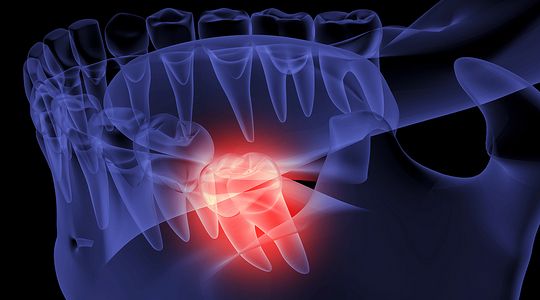
s, most patients report pressure rather than pain during surgery. Mild soreness, swelling, or bruising afterward is common and usually manageable with medications recommended by your dentist, cold compresses, and rest. Your dentist will provide tailored instructions, but standard tips include:
- Soft foods for several days and avoiding very hot or spicy dishes initially
- No smoking and minimal alcohol to support healing
- Gentle brushing around the area and antiseptic rinses as directed
- Attending all scheduled check-ups to monitor progress
Red flags that warrant a call to your clinic include persistent bleeding, severe pain not controlled by recommended medications, fever, or a loose-feeling implant.
Materials and Options to Discuss
- Implant materials: Titanium is the most common due to its long track record; zirconia may be considered in specific cases.
- Prosthetic options: Single crowns, implant-supported bridges, or full-arch solutions. Ask about the pros and cons regarding maintenance, cleanability, and long-term outcomes.
- Immediate vs. delayed loading: In select cases, a temporary crown may be placed on the implant shortly after surgery. Your dentist will evaluate bone stability and bite forces before recommending this.
Practical Tips for Shenzhen First-Timers
- Location and transport: Clinics near Metro lines in Futian, Nanshan, or Luohu are convenient if you need multiple visits. Plan extra time for your first appointment.
- Language and documents: Bring previous dental records, medication lists, and any relevant medical history. Confirm language support when booking.
- Payments and insurance: Many clinics accept international cards and local mobile payments (WeChat Pay, Alipay). Check whether your insurer offers out-of-network reimbursement; request itemized invoices and diagnostic reports.
- Scheduling: If you’re traveling from Hong Kong or other cities, coordinate appointments to allow for healing and follow-ups. Avoid planning major trips immediately after surgery.
How to Compare Treatment Plans
When reviewing recommendations, look for clarity on:
- Diagnosis: What problems are being addressed and why implants are the preferred solution
- Steps and sequence: Extractions, grafting, implant placement, healing, and crown delivery
- Materials and brands: Implant system, abutment type, and crown materials
- Maintenance: Cleaning protocols, check-up frequency, and expected lifespan with proper care
Ask whether the clinic offers a written warranty policy and what it covers, as well as how they handle complications like peri-implantitis.
Long-Term Care for Your Implant
Implants require the same (or better) care as natural teeth:
- Brush twice daily with a soft brush and low-abrasive toothpaste
- Clean interdentally using floss, interdental brushes, or water flossers designed for implant care
- Schedule professional cleanings and examinations as advised
- Manage risk factors: control bruxism with a night guard if needed, and keep diabetes and other systemic conditions well-managed
The Bottom Line
Dental implants in Shenzhen can be a smooth, high-tech experience when you choose a qualified team and understand the process. Take time to compare clinics, ask detailed questions, and plan your schedule around the healing timeline. With the right preparation and aftercare, your first implant can feel like a natural part of your smile—and a long-term investment in your oral health.
















