









Signs Tooth Pulp: When to See a Dentist – Plain English
If you have a tooth that keeps acting up, you might wonder whether it’s just a little sensitivity or something deeper, like a problem with the tooth pulp. In plain English, the tooth pulp is the soft center of your tooth that contains nerves and blood vessels. When it gets irritated, inflamed, or infected, it can cause a range of symptoms—from mild twinges to “I can’t sleep” pain. Knowing the signs helps you decide when to watch and when to call a dentist.
What is tooth pulp and why it matters
- The pulp sits inside the tooth, under the hard enamel and dentin.
- It keeps the tooth alive by bringing in blood supply and nerve signals.
- When bacteria reach the pulp (through deep decay, cracks, or trauma), the pulp can become inflamed (pulpitis) or infected, which may lead to an abscess.
Common signs your tooth pulp might be in trouble
Not every toothache means pulp problems, but these signs raise suspicion:
- Lingering sensitivity to hot or cold: If a cold drink or hot soup triggers pain that lasts more than 10–30 seconds, that’s a red flag. Brief zings are common; lingering pain suggests deeper irritation.
- Spontaneous throbbing: Pain that wakes you up at night or starts on its own without touching the tooth often points to pulpal inflammation.
- Pain when biting or chewing: A sharp jolt when you bite could mean a crack or an inflamed ligament around the root. If the pain lingers after you release pressure, pulp involvement is more likely.
- Swelling or pimple on the gums: A small bump (fistula) that drains, or swelling near one tooth, can signal an abscess from an infected pulp.
- Darkening of a tooth: A tooth that turns gray after an injury may have a dead pulp.
- Bad taste or bad breath that won’t go away: Persistent foul taste can come from pus draining from an infected tooth.
- Tender lymph nodes or jaw pain: If the infection spreads, nearby nodes can become tender or swollen.
Sensitivity vs pulpitis: how to tell
- Normal sensitivity: Quick tingle to cold air or sweets that fades fast. Often linked to gum recession or a small cavity.
- Reversible pulpitis: Stronger sensitivity that improves once the cause (like a shallow cavity) is treated. Pain usually doesn’t linger too long.
- Irreversible pulpitis: Deep, lingering, throbbing pain; heat may trigger severe pain; pain can be spontaneous. This often requires root canal treatment.
- Necrotic (dead) pulp: Surprisingly, a dead pulp may not hurt at first. Later, infection builds, leading to swelling, tenderness to biting, or a draining bump.
When to see a dentist
Call a dentist promptly if you notice:
- Pain that lingers after hot or cold
- Spontaneous throbbing or night pain
- Swelling in the gums or face
- A pimple-like bump on the gum
- Pain with
chewing that persists
- Fever, trouble swallowing, or spreading swelling (this is urgent—seek care immediately)
Even if the pain eases, don’t ignore it. Pulp pain can “burn out” as the nerve dies, but the infection can continue quietly and cause bigger problems.
What causes pulp problems
- Deep tooth decay that reaches the pulp chamber
- Cracks or fractures from grinding, clenching, or accidents
- Repeated dental work on the same tooth
- Large fillings very close to the nerve
- Trauma to the tooth (sports injury, fall)
- Long-standing gum disease that exposes roots and lets bacteria in
What your dentist may do
- Ask detailed questions about your pain: triggers, duration, night pain, chewing pain.
- Perform tests: cold test, tapping on teeth, bite test, and X-rays. These help tell if the pulp is inflamed, infected, or if there’s a crack or abscess.
- Recommend treatment based on diagnosis:
- Early issues: A filling, desensitizing treatment, or protective crown may be enough.
- Irreversible pulpitis or infection: Root canal therapy to clean and seal the canals, often followed by a crown.
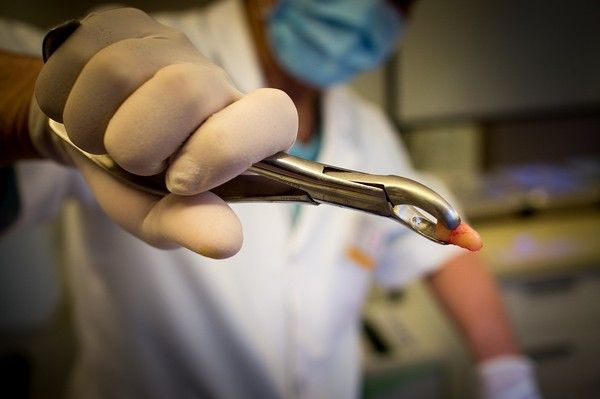
- Severe cracks or non-restorable teeth: Extraction may be necessary, with options to restore the space afterward.
- Manage pain and infection: Pain relievers and, if needed, antibiotics for spreading infection. Note: antibiotics alone do not fix a tooth with infected pulp; the source must be treated.
What you can do at home (and what to avoid)
- Do use a cold compress on the cheek to help with swelling and pain.
- Do take over-the-counter pain relievers as directed if you can safely use them.
- Do keep the area clean and avoid chewing on the sore side.
- Don’t place aspirin directly on the gum or tooth—it can burn the tissue.
- Don’t rely on clove oil or home remedies to cure an infection; they might mask pain but won’t solve the cause.
- Don’t delay care if you have swelling, fever, or difficulty opening your mouth.
Prevention tips for healthy pulp
- Brush twice daily with fluoride toothpaste and floss once daily to stop decay before it reaches the pulp.
- Limit frequent sugary snacks and acidic drinks that fuel cavities.
- Wear a mouthguard for sports and a night guard if you grind your teeth.
- Keep up with regular dental checkups and X-rays; early cavities are easier and cheaper to manage than pulp problems.
- Address cracked or broken teeth quickly, even if they do not hurt yet.
Plain-English bottom line
If your tooth pain lingers, throbs, wakes you up, or comes with swelling, it could involve the tooth pulp. That’s your cue to see a dentist soon. Early treatment can save the tooth, stop the pain, and prevent complications. If you notice fever, spreading swelling, or trouble swallowing, seek urgent care. Your tooth’s nerve is giving you a message—don’t ignore it.
















