









Tooth Going Black: Is It Serious? A Dentist Explains
Noticing a tooth turning black can be alarming. Sometimes it’s a simple surface stain that looks worse than it is; other times, it’s a warning sign of deeper problems like decay or a dying nerve. The sooner you understand what’s happening, the easier it is to fix. Here’s what a dentist wants you to know.
What a “black tooth” really means
“Black” can mean different things:
- A dark stain on the surface that wipes or polishes off
- A brown, gray, or black hue within the tooth that doesn’t brush away
- A black spot or line near the gumline or in a groove
- A tooth that looks grayish-black after an injury
That distinction—stain versus internal discoloration—matters for both urgency and treatment.
Common reasons teeth turn black
- Surface stains from foods and habits: Coffee, tea, red wine, cola, soy sauce, and tobacco can create stubborn stains. Certain mouthwashes and iron supplements can deepen discoloration.
- Tartar (calculus) buildup: Hardened plaque at the gumline can look dark or even black. It won’t come off with a toothbrush; it needs professional scaling.
- Tooth decay (cavities): When bacteria break down enamel and dentin, the area can look brown to black. Decay is progressive and needs treatment.
- A dying or dead nerve (pulp necrosis): After a blow to the tooth, deep decay, or repeated dental work, the tooth’s nerve can die, allowing blood pigments and byproducts to seep into the dentin. The tooth may turn gray, purple, or black over time.
- Old fillings and crowns: Metal (amalgam) fillings can leach a gray-black tint into nearby enamel. A dark line at the edge of a crown may be the metal substructure showing through.
- Gum disease: Receding gums expose darker root surfaces; severe gum disease can trap stain and tartar, making teeth look black near the gumline.
- Internal staining after treatment: Teeth that have had root canal therapy can darken if internal pigments remain; this can often be improved cosmetically.
Is a black tooth serious?
It depends on the cause:
- Likely not urgent: Stains from food, drink, or smoking; tartar without pain; dark line stain from certain mouth bacteria.
- Needs timely attention: A new black spot that is sticky or soft; black areas accompanied by sensitivity, bad breath, a “pimple” on the gums, or a bad taste; a tooth that darkens after trauma. These signs suggest decay, infection, or a compromised nerve.
Red flags to act on now
- Toothache, sensitivity to hot/cold that lingers, or pain on biting
- Swelling in the gum or face, a pimple-like bump, or foul taste/odor
- Fever, feeling unwell, or difficulty swallowing
- A tooth that suddenly darkens after a hit or fall
If you have pain, swelling, or fever, seek urgent dental care. If the tooth is just discolored but painless, book a prompt appointment for evaluation.
How dentists find the cause
- Visual exam and probing: Identifying soft spots, chips, tartar, or leaky fillings
- Vitality testing: Cold testing or electric pulp testing to check the nerve’s status
- Bite and percussion checks: Pain on tapping or biting may indicate inflammation
- X-rays: Spot hidden decay, infection at the root, or bone loss
- Transillumination and photos: Light-based tools and images to see cracks or internal discoloration patterns
Treatment options that actually work
- Professional cleaning and polishing: Re
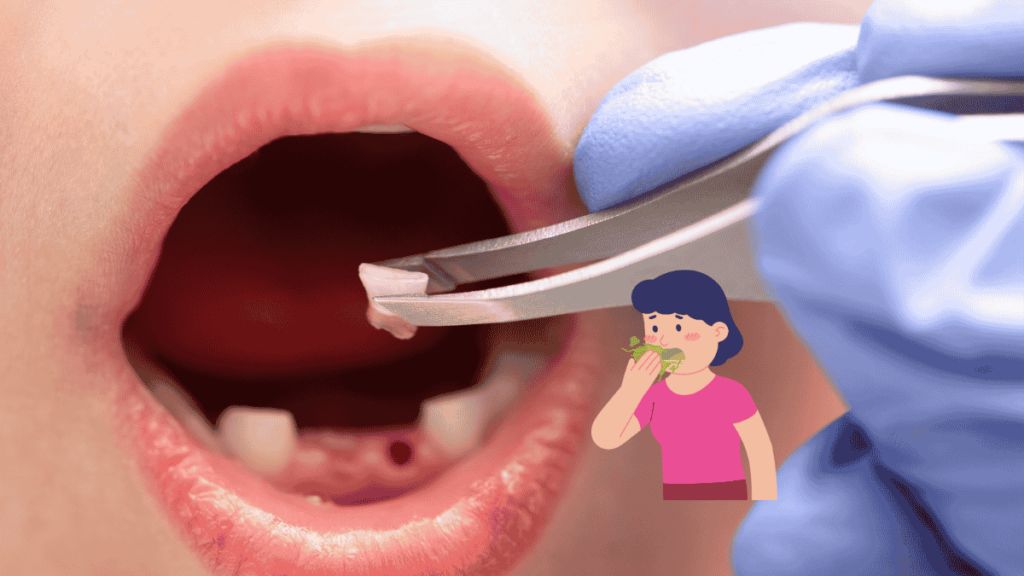
moves surface stains and tartar safely. This alone can dramatically improve appearance if staining is the issue.
- Fillings or onlays: For cavities, removing decay and restoring the tooth stops progression and restores color and function.
- Root canal therapy: If the nerve is dead or infected, a root canal removes the diseased tissue, preserves the tooth, and relieves pain. Afterward, internal bleaching or a veneer/crown can restore color.
- Internal bleaching (for non-vital teeth): Lightens a root-canal-treated tooth from the inside out.
- Veneers or crowns: When discoloration is deep or enamel is compromised, covering the tooth provides a durable cosmetic fix.
- Replacement after extraction: If a tooth can’t be saved, your dentist will discuss options like a bridge, implant, or removable replacement.
- Gum therapy: Deep cleaning (scaling and root planing) for gum disease, plus home care coaching to prevent recurrence.
- Replacement of old restorations: Swapping out stained, leaky fillings or metal-margined crowns can resolve dark edges.
What not to do at home
- Don’t scrub with abrasive powders or whitening hacks (like charcoal or baking soda). They can thin enamel and worsen discoloration over time.
- Don’t ignore a darkening tooth after trauma or with pain; delay can lead to infection and tooth loss.
Prevention tips that make a real difference
- Brush twice daily with a fluoride toothpaste and use interdental cleaners (floss or brushes) daily
- Rinse with water after coffee, tea, wine, or deeply pigmented sauces; consider a straw for iced beverages
- Limit frequent snacking and sugary drinks to curb decay
- Keep up with regular dental checkups and professional cleanings as recommended
- Quit smoking or vaping; tobacco is a major stain and gum disease risk
- Wear a mouthguard for sports to prevent injuries; ask about a nightguard if you grind your teeth
- Manage dry mouth by staying hydrated and discussing medications or saliva substitutes with your dentist if needed
Myths and facts
- Myth: A black tooth will “clear up” on its own. Fact: Stain may polish off, but decay and nerve death require treatment.
- Myth: Whitening products fix black spots. Fact: Whitening can’t treat cavities or internal necrosis; you need a diagnosis first.
- Myth: Charcoal toothpaste is the best for stains. Fact: It’s abrasive and can damage enamel without addressing the cause.
FAQs
- Is a black tooth always dead? No. Stains and tartar can look black. A dentist can test the nerve to confirm vitality.
- Can a black spot spread? If it’s decay, yes—it can expand and affect neighboring teeth and gums. Surface stain does not spread.
- What if a child’s tooth turns black? Baby teeth can darken from trauma or decay. See a pediatric dentist promptly to protect the adult tooth bud and manage pain or infection.
- How fast should I see a dentist? For painless darkening, book within a week or two. For pain, swelling, or a tooth darkening after a hit, seek same-day care.
Bottom line
A black tooth is your mouth’s way of asking for attention. Many causes are fixable—some with a simple cleaning, others with restorative care. Early evaluation preserves your tooth, protects your health, and gets your smile back to bright sooner. If you see black discoloration, don’t wait. Call your dentist, get the cause confirmed, and choose the right treatment with professional guidance.
















