









Care Aftercare: How Long Until Normal? – Expert Advice
If you’ve just had a procedure, an injury, a new tattoo or piercing, or a skincare treatment, the big question is always the same: how long until I feel normal again? The honest answer is that “normal” is a moving target. Recovery is not a straight line, and the timeline changes based on what was done, where it was done, and who you are. This guide breaks down what “normal” really means, what affects your recovery speed, typical timelines for common situations, and smart steps you can take to feel better, faster.
What “normal” really means
Normal doesn’t always mean “exactly like before.” A realistic definition includes:
- Your baseline function returns or is close enough that daily life feels manageable.
- Pain is mild and controlled without constant medication.
- Swelling and bruising are minimal and steadily improving.
- Skin or tissue has closed and is stable (if there was a wound).
- Energy levels are predictable, even if not 100% yet.
Key factors that shape your timeline
- Type and depth of care: A light facial peel heals faster than a deep resurfacing; a simple sprain recovers quicker than a ligament tear; a small dental procedure resolves sooner than a complex extraction.
- Location: Areas with thicker skin or less blood flow (like ankles or cartilage) often recover more slowly than the face or scalp.
- Your baseline health: Age, nutrition, hydration, sleep, stress, and conditions like diabetes or anemia impact healing.
- Habits: Smoking, heavy alcohol use, and overexertion can delay recovery.
- Aftercare quality: Consistent wound care, sun protection, and activity modification speed things up.
- Complications: Infection, allergic reactions, or re-injury add time.
The stages of healing (and how they feel)
- Days 1–3: Inflammation. Redness, warmth, swelling, and tenderness are common. Rest and protection matter most.
- Days 3–21: Proliferation. New tissue forms. Itchiness often increases; swelling and bruising fade; function improves.
- Weeks to months: Remodeling. Tissue strengthens; scars mature; subtle tightness or sensitivity gradually decreases.
Typical timelines by situation (general guidance)
- Minor skin treatments (gentle peels, microneedling): Redness 24–72 hours; flaking up to a week; “socially normal” in 3–7 days.
- Deeper resurfacing or stronger peels: Pinkness may persist for weeks; surface closure in 5–10 days; full tone recovery can take months.
- Tattoos: Surface healing 1–2 weeks; full settling 4–6 weeks; itching is common early on.
- Piercings: Earlobe 6–8 weeks; cartilage several months or longer; avoid changing jewelry too soon.
- Sprains/strains (mild to moderate): 2–6 weeks to resume most activities; high-impact sports may need longer.
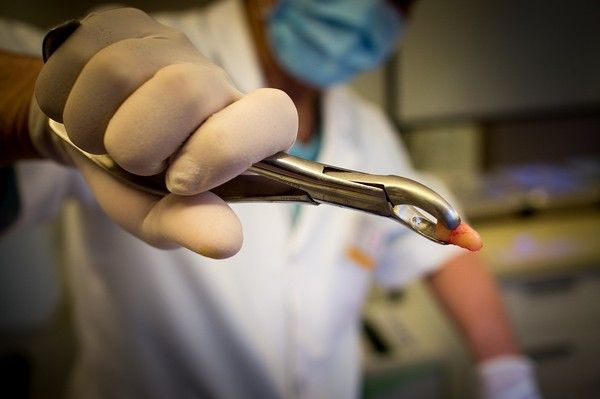
- Dental procedures (simple extractions, fillings): Soreness 1–3 days; soft tissue comfort in 7–14 days; complex work takes longer.
- Minor surgical procedures: Stitches out in 5–14 days; daily function in 1–3 weeks; scar maturation 6–12 months.
- Major surgery: Functional milestones in 4–12 weeks; full recovery can extend to several months.
What feels normal vs. what’s a red flag
Usually normal:
- Mild throbbing that eases with rest, elevation, or over-the-counter pain relief as directed
- Bruising that yellow-green fades over 3–10 days
- Itching as tissue closes
- Low-grade swelling that’s better in the morning and worse by evening
- Temporary tightness or stiffness that i
mproves with gentle movement
Not normal (seek professional advice promptly):
- Worsening pain after initial improvement, or pain out of proportion
- Fever, chills, or feeling unwell
- Spreading redness, warmth, foul odor, or pus-like drainage
- Rapidly increasing swelling, sudden asymmetry, or shiny tight skin
- Numbness or tingling that is new or worsening
- Shortness of breath, chest pain, or calf pain/swelling
- Bleeding that doesn’t slow with pressure, or stitches that open
How to speed your return to normal
- Follow instructions precisely: The guidance you were given is tailored to your procedure or injury. Don’t skip steps.
- Rest with purpose: Early protection prevents setbacks. Avoid “just testing it” too soon.
- Move gently, early: Within your provider’s limits, light range-of-motion and short walks stimulate circulation and reduce stiffness.
- Use R.I.C.E. for soft-tissue injuries: Rest, Ice (10–20 minutes at a time), Compression, Elevation.
- Nourish recovery: Aim for protein at each meal, vitamin C, zinc, leafy greens, and adequate calories. Stay well-hydrated.
- Sleep like it matters: Healing hormones peak at night. Prioritize consistent bedtimes and a cool, dark room.
- Skin and wound care: Keep the area clean, moisturized as advised, and protected from the sun; avoid picking or scratching.
- Avoid smoking and limit alcohol: Both impair blood flow and collagen formation.
- Medications as directed: Don’t double-dose, mix, or stop early without guidance.
- Track your progress: Photos or a journal help you and your provider spot trends or concerns.
A realistic week-by-week feel
- Days 1–3: Protect, reduce swelling, manage pain, and avoid strain. Expect visible swelling and tenderness.
- Week 1–2: Swelling and bruising noticeably improve; energy returns in bursts. Light daily tasks become easier.
- Week 3–6: Strength and flexibility build; most people resume routine work and moderate activity, still pacing themselves.
- Beyond 6 weeks: Fine-tuning. Scars soften, endurance grows, and lingering tightness gradually fades.
Myths that slow you down
- “No pain, no gain.” Productive recovery shouldn’t require escalating pain. Discomfort can be normal; worsening pain is a signal.
- “If it looks healed outside, it’s done.” Deeper tissues remodel for weeks to months after the surface looks fine.
- “Bruising means something went wrong.” Bruising often reflects normal capillary leakage; the pattern, not the presence, matters.
- “If I’m not normal in a week, it failed.” Most recoveries take longer than we wish; steady progress is the goal.
Quick FAQs
- When can I exercise? Start with gentle movement immediately if allowed; return to intensity only when cleared and pain-free through the range of motion.
- Can I travel? Delay long trips until early risks (like significant swelling or bleeding) are low. Walk, hydrate, and follow care instructions if you must travel.
- Is massage helpful? Only when approved; timing and technique matter to avoid disrupting healing tissue.
- When can I use active skincare? Reintroduce exfoliants or retinoids only after the barrier is fully recovered and sensitivity is minimal.
The bottom line
“Normal” arrives in stages, not all at once. Respect your body’s timeline, follow expert aftercare, fuel recovery, and watch for red flags. If something feels off or you’re unsure about your progress, ask early—timely guidance is the fastest route back to feeling like yourself.
















