









Pulp Treatment in Shenzhen: The Complete Walkthrough
If a toothache has started to rule your day, you might be dealing with an inflamed or infected dental pulp. Pulp treatment—often called a root canal—is a reliable way to relieve pain and save your natural tooth. Shenzhen, known for its modern healthcare and efficient service, is a solid place to get this procedure done. Here’s a clear, friendly walkthrough of what to expect, how to choose a clinic, and how to recover with confidence.
What pulp treatment is and why it’s done
Inside every tooth is soft tissue called the pulp, which contains nerves and blood vessels. When deep decay, cracks, or trauma let bacteria reach the pulp, it can become infected. Pulp treatment removes the diseased tissue, disinfects the inside of the tooth, and seals it to prevent reinfection. The goal is simple: stop the pain and keep your natural tooth functioning for years to come.
Signs you might need pulp treatment
- Persistent toothache, especially a throbbing pain that gets worse at night
- Sharp sensitivity to hot or cold that lingers after the stimulus is gone
- Swelling, tenderness, or a “pimple” on the gum near the tooth
- Tooth discoloration (turning grayish)
- Deep cavity, cracked tooth, or trauma
- X-ray showing infection near the root tip
Choosing a dental clinic in Shenzhen
Shenzhen’s dental scene includes established private clinics and hospital-based dentistry, many with bilingual staff. When you compare options, look for:
- Credentials: Licensed dentists with endodontic training; experience with root canal retreatment if needed
- Technology: Dental operating microscope, digital X-rays, and CBCT for complex cases; use of a rubber dam for isolation
- Sterilization and safety: Clear infection control protocols and single-use instruments where appropriate
- Communication: English-speaking team and transparent treatment plan with images
- Convenience: Locations in Futian, Nanshan, Luohu, or Bao’an near metro lines; flexible scheduling and emergency slots
- Aftercare: Follow-up check and a plan for the final crown or onlay
The step-by-step process in Shenzhen
1) Diagnosis and planning: Your dentist will review your symptoms, examine the tooth, and take digital X-rays. In some cases, a CBCT scan provides a 3D view of the roots. Tests like cold stimulus or percussion help confirm if the pulp is irreversibly inflamed or dead.
2) Anesthesia and isolation: Local anesthesia completely numbs the area. A rubber dam—a small sheet—isolates the tooth to keep it dry and prevent bacteria from saliva entering the canals.
3) Access and cleaning: The dentist creates a small opening in the tooth’s biting surface to reach the pulp chamber. Using fine instruments (often rotary nickel-titanium files) and disinfecting solutions, they clean and shape the root canals. This step removes infected tissue and biofilm.
4) Medication when needed: If there’s significant infection or swelling, the dentist may place an antibacterial medication inside the canals and use a temporary filling, allowing a few days for the tooth to calm.
5) Filling the canals: Once the canals are clean and dry, they are filled with a biocompatible material (commonly gutta-percha) and a sealer to create a tight seal and block bacteria.
6) Final restoration: A temporary filling is placed i
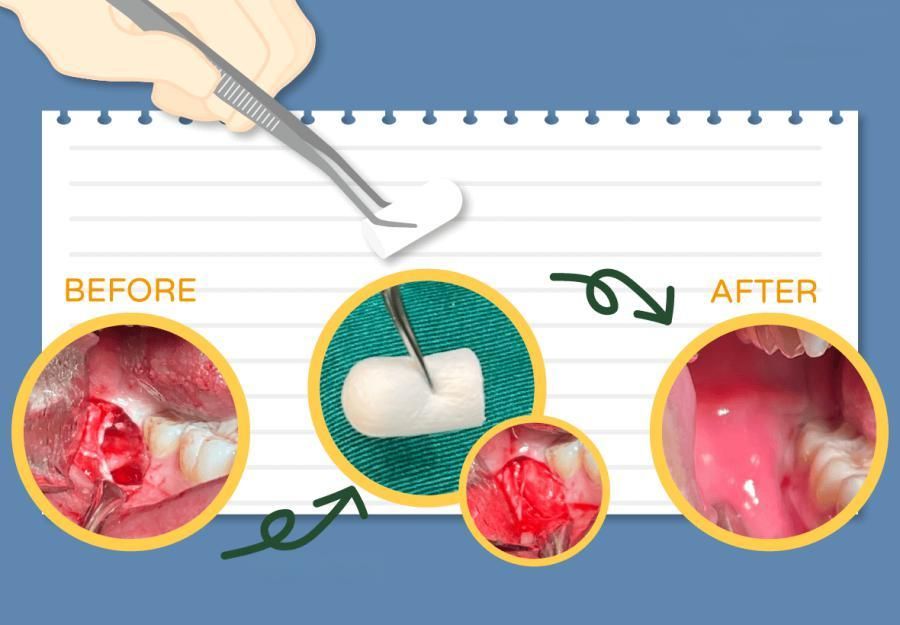
nitially. To restore full strength and prevent cracks, most back teeth need a crown or onlay. Your dentist will schedule this promptly after the root canal is finished.
How long it takes
Many cases are completed in one visit of 60–90 minutes. Complex anatomy, severe infection, or retreatment may require two or more visits spaced about one to two weeks apart. Expect an additional appointment for the final crown placement.
Does it hurt?
Thanks to modern anesthesia and techniques, pulp treatment in Shenzhen is typically comfortable. You may feel pressure and vibration but not sharp pain. After the numbness wears off, mild soreness when chewing is common for a couple of days. Most people manage well with over-the-counter pain relief as advised by the dentist. If you experience swelling, fever, or worsening pain, contact the clinic promptly.
Aftercare tips for smooth recovery
- Avoid chewing hard foods on the treated tooth until the final crown is placed
- Keep the area clean with gentle brushing and flossing; consider a saltwater rinse the first day if your dentist agrees
- Follow the medication schedule if antibiotics or pain relievers are prescribed
- Attend your follow-up and don’t delay the crown—this step protects the tooth from fractures
Success rates and what affects them
Root canals have a high success rate when canals are thoroughly cleaned, shaped, and sealed. Outcomes improve with:
- Early treatment before the infection spreads
- Use of magnification and proper irrigation protocols
- Good final restoration that seals the tooth against leakage
- Regular checkups and good oral hygiene
Alternatives to consider
If the tooth is too damaged to save, extraction may be necessary. Replacement options include dental implants or bridges. Each path has pros and cons regarding treatment time, maintenance, and long-term function. Your dentist can compare scenarios based on your bite, bone health, and adjacent teeth.
Local tips for patients in Shenzhen
- Booking is straightforward via phone or popular apps; many clinics accommodate evening or weekend slots
- Bilingual front desks are common in central districts like Futian and Nanshan
- Bring identification for registration; digital payments are widely accepted
- If you carry international insurance, ask the clinic about direct billing or be prepared for pay-and-claim; verify coverage for endodontic treatment and crowns beforehand
Frequently asked questions
- Will the tooth darken? A previously infected tooth can be darker; internal bleaching or a well-designed crown can restore aesthetics.
- Can a treated tooth get reinfected? It’s uncommon but possible if the seal is compromised. Retreatment or an apicoectomy (minor surgery at the root tip) can resolve many cases.
- Is a crown always necessary? Front teeth with minimal loss of structure sometimes do well with a bonded restoration. Molars and premolars typically benefit from a crown due to chewing forces.
Bottom line
Pulp treatment in Shenzhen combines skilled dentists, advanced technology, and efficient care pathways to get you out of pain and back to normal quickly. Choose a clinic with strong credentials and clear communication, follow through with the final restoration, and keep up with routine checkups. With the right plan, you can save your tooth and smile with confidence.
















