









Choosing Tooth Extraction in Shenzhen: What to Know
Thinking about tooth extraction in Shenzhen can feel daunting, especially if you’re navigating a new city, a new healthcare system, or dealing with your first oral surgery. The good news: Shenzhen has a robust network of modern dental clinics, experienced oral surgeons, and convenient services for both locals and expats. Here’s a practical, down-to-earth guide to help you make an informed decision and feel confident from consultation to recovery.
When tooth extraction is the right choice
Not every toothache needs a pull, but extractions are often recommended when:
- A wisdom tooth is impacted or causing crowding and recurring infection
- A tooth is severely decayed or cracked beyond repair
- Gum disease has loosened a tooth
- An orthodontist recommends removal to make space for alignment
- A baby tooth won’t fall out and is blocking an adult tooth
A thorough exam, X-rays, and a candid chat with your dentist will determine whether extraction or an alternative (like a root canal or crown) is best.
Finding the right clinic in Shenzhen
Shenzhen’s dental scene spans public hospitals, private clinics, and specialized oral surgery centers. Consider:
- Qualifications and specialization: Look for dentists registered in China, with training in oral and maxillofacial surgery for complex cases like impacted wisdom teeth.
- Imaging and technology: Clinics with panoramic X-rays (OPG) and CBCT scanners can plan safer, more precise extractions.
- Sterilization standards: Ask about sterilization protocols and single-use instruments; reputable clinics will happily explain their process.
- Language support: Many clinics in central districts and expat-heavy areas offer English-speaking staff; call ahead to confirm.
- Accessibility: Proximity to metro lines, weekend hours, and online booking can make the process smoother, especially for follow-up visits.
General dentists can handle straightforward extractions; oral surgeons are ideal for complex roots, impactions, or medical conditions.
What happens during the procedure
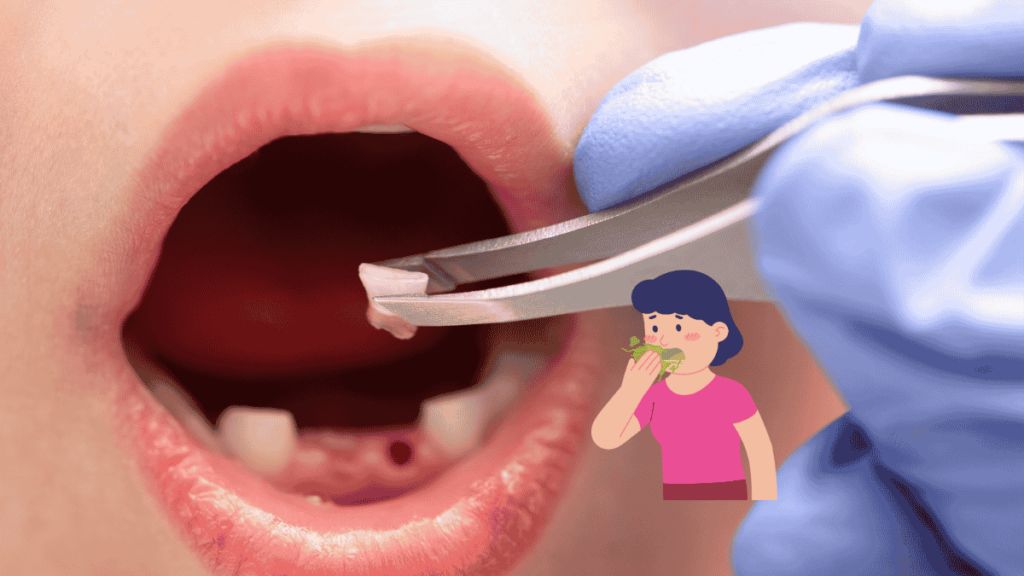
A standard extraction (simple, visible tooth) usually involves:
- Local anesthesia to numb the area
- Gentle loosening of the tooth and removal
- A gauze pack to help stop bleeding
A surgical extraction (often for impacted wisdom teeth) may involve:
- Minor incisions in the gum
- Removal of bone around the tooth or sectioning the tooth into pieces
- Dissolvable stitches
Most extractions take 20–60 minutes, depending on complexity. Clinics in Shenzhen commonly offer local anesthesia; some may provide sedation for anxious patients, but availability varies—ask in advance if that’s important to you.
How to prepare
- Medical history: Share your medical conditions, allergies, and all medications, especially blood thinners or immune-modulating drugs.
- Eat lightly: If you’re under local anesthesia, a light meal 1–2 hours before can help prevent dizziness. If sedation is planned, follow fasting instructions carefully.
- Plan your ride: After sedation (if used), you’ll need an escort. Even after local anesthesia, it’s wise to avoid long drives.
- Questions to ask: What type of extraction is it? Will there be stitches? How long will recovery take? What pain relief is recommended? What signs of complications should you watch for?
Pain, swelling, and what to expect after
It’s normal to feel mild to moderate discomfort and swelling for a couple of days. Here’s a typical timeline:
- First 24 hours: Oozing and swelling
peak; keep the gauze in place as instructed and avoid rinsing forcefully.
- Days 2–3: Swelling and discomfort gradually decrease; stick to soft foods and avoid hot liquids.
- Days 4–7: You should be feeling better; careful brushing and gentle saltwater rinses help keep the area clean.
- Weeks 1–2: The extraction site continues to heal; stitches (if not dissolvable) may be removed at a follow-up.
Your dentist will recommend pain relievers and, in some cases, antibiotics. Follow the dosage and timing precisely.
Avoid complications
The most common preventable issue is dry socket, where the blood clot dislodges and exposes the bone, causing sharp pain. To reduce risk:
- Don’t smoke or vape for at least 72 hours (longer is better)
- Avoid straws and vigorous spitting
- Keep physical exertion low for the first couple of days
- Stick to soft foods like yogurt, soup (cooled), mashed potatoes, eggs, and congee
Watch for warning signs: severe pain that worsens after day two, persistent bleeding, fever, foul taste, or swelling that doesn’t improve. Contact your clinic promptly if these occur.
Choosing between wisdom tooth removal and “wait and see”
Wisdom teeth can be unpredictable. In Shenzhen, many dentists will recommend early removal if:
- X-rays show the tooth is angled toward the second molar
- There’s not enough space in the jaw
- You’ve had recurrent infections or cyst formation
If the tooth is fully erupted, easily cleanable, and symptom-free, monitoring may be reasonable. Your dentist’s recommendation will factor in your age, root development, and overall oral health.
Aftercare essentials in Shenzhen
- Follow-up visits: Many clinics schedule a quick check within a week, especially after surgical extractions.
- Pharmacy access: Shenzhen pharmacies are widespread; bring your prescription and confirm dosage instructions in English if needed.
- Diet and hydration: Keep it soft and lukewarm. Avoid spicy, crunchy, or seedy foods that can irritate the site.
- Oral hygiene: Brush gently around the area; start saltwater rinses after 24 hours (1/2 teaspoon salt in a cup of warm water, 2–3 times daily).
Insurance and payment
Dental coverage varies by plan. If you have international or local insurance, call your provider to confirm what’s covered (consultation, imaging, anesthesia, surgery, follow-ups) and whether direct billing is available. Bring your ID and insurance details to the appointment.
Finding trustworthy information
Reputable clinics will provide treatment plans, imaging results, and clear aftercare instructions. If you’re unsure about a complex extraction, seeking a second opinion is normal and often encouraged, especially for impacted teeth or if you have medical conditions.
Why Shenzhen can be a great place for dental care
Beyond modern facilities and skilled clinicians, Shenzhen’s clinics often offer:
- Efficient appointment systems and shorter wait times
- Bilingual staff in many central districts
- Strong integration of digital X-rays and treatment planning
- Convenient locations near metro hubs, making follow-ups easier
Final takeaway
Choosing tooth extraction in Shenzhen doesn’t have to be stressful. Focus on a clinic with qualified professionals, clear communication, proper imaging, and strong aftercare support. Ask questions, follow preparation and recovery guidelines, and listen to your body. With the right team and plan, you’ll navigate your extraction smoothly and get back to eating, smiling, and living your life in this fast-paced city.
















