









Dent Necrose in Shenzhen: A First-Timers Guide – Learn More
If you’ve come across the term “dent necrose” while searching for dental help in Shenzhen, you’re not alone. Many people use this phrase to describe a “dead tooth,” known in dentistry as pulp necrosis. The good news: Shenzhen has a robust network of modern dental clinics and hospital stomatology departments that can diagnose and treat this condition efficiently. This friendly, first-timer’s guide walks you through what dent necrose means, how it’s treated, and how to navigate your first dental visit in Shenzhen with confidence.
What “dent necrose” really means
Dent necrose (pulp necrosis) refers to the death of the tooth’s inner tissue—the pulp. This usually happens when decay goes deep, a crack lets bacteria in, or trauma disrupts blood flow to the tooth. Left untreated, it can cause infection, abscesses, and bone loss around the tooth.
Common causes include:
- Deep cavities that reach the pulp
- Cracked or chipped teeth
- Past dental trauma (like a sports injury)
- Repeated dental procedures on the same tooth
- Bruxism (teeth grinding) leading to microcracks
- Untreated gum disease spreading inward
Signs you may have pulp necrosis
You won’t always feel pain—sometimes a dead tooth goes quiet. But watch for:
- Persistent or throbbing toothache, especially at night
- Sensitivity to hot, cold, or biting that lingers
- Tooth darkening or greyish discoloration
- Swelling of the gums or face, a small pimple on the gum (fistula), or bad taste
- Pain when chewing or tapping the tooth
- A history of trauma to that tooth
Seek care urgently if you notice facial swelling, fever, trouble swallowing, or spreading redness—these can suggest a serious infection.
How Shenzhen dentists diagnose it
Clinics in Shenzhen commonly use a combination of:
- Clinical exam and tapping or bite tests
- Thermal tests to check nerve response
- Electric pulp testing
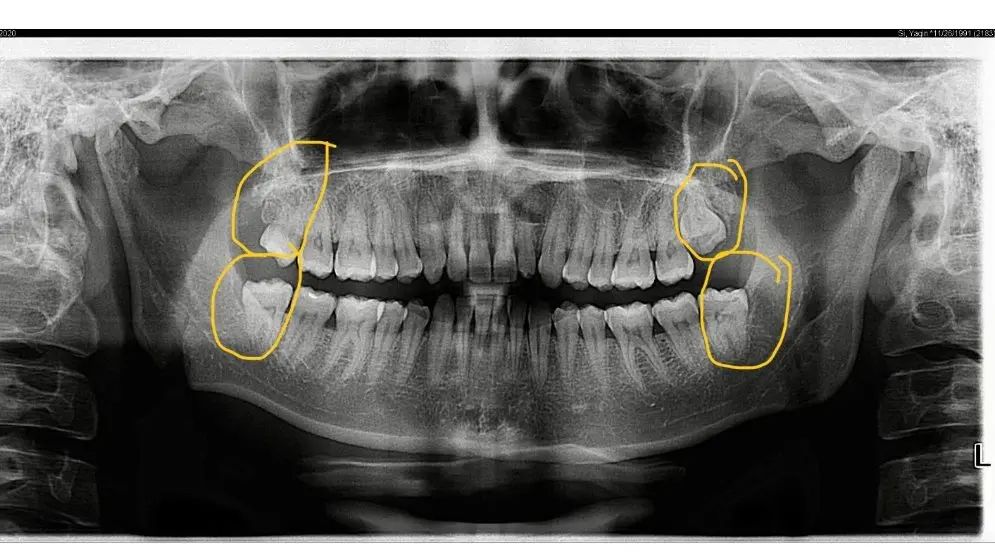
- Digital X-rays; some clinics use CBCT scans for 3D views
- Periodontal assessment to rule out gum-origin problems
With modern equipment common in Futian, Nanshan, Luohu, and Bao’an, diagnosis is usually quick and precise.
Your treatment options in Shenzhen
Root canal therapy (RCT): The standard treatment for a necrotic tooth is endodontic therapy. The dentist removes infected tissue, disinfects the canal, and seals it to prevent reinfection. Many clinics use rubber dams, apex locators, and microscopes for precision. After RCT, a crown is often recommended to strengthen the tooth.
Extraction and replacement: If the tooth is fractured beyond repair or bone loss is severe, the dentist may advise extraction. Replacement options include implants, bridges, or partial dentures. Your dentist will explain pros and cons based on your oral health, bite, and lifestyle.
Antibiotics: These are sometimes prescribed for acute infections, but they’re not a standalone solution. The definitive fix is removing the source of infection through RCT or extraction.
Pain management: Over-the-counter pain relievers can help before your visit. In-clinic anesthesia makes the procedure comfortable. Some clinics offer sedation options; discuss your anxiety level with the dentist.
How to choose a clinic in Shenzhen
Look for:
- Credentials and scope: Endodontics or stomatology departments, licensed dentists, and membership in reputable dental associations.
- Modern equipment: Digital X-rays, rubber dam usage, and sterilization
protocols.
- Experience with root canals: Ask about microscope-assisted RCT and success rates.
- Communication: Bilingual staff in English and Chinese can make a big difference. Shekou and Nanshan areas often have expat-friendly clinics.
- Convenience: Proximity to metro lines, weekend hours, and responsive booking via phone or WeChat.
- Reviews and referrals: Check recent patient reviews and ask colleagues or neighbors.
Questions to ask before booking:
- Do you use rubber dams and rotary instruments for root canals?
- Will I need a crown afterward?
- How many visits are typical for my case?
- Do you provide digital X-rays or CBCT if needed?
- Do you support direct billing with my insurer, or provide detailed invoices for reimbursement?
Booking and practical tips
- Scheduling: Appointments can fill quickly around holidays or weekends. If you’re in pain, mention it; many clinics keep emergency slots.
- Documents: Bring your ID or passport, insurance card, and any prior dental records or X-rays.
- Payment and insurance: Many clinics accept international cards and mobile payments. If you have insurance, confirm network status and claims procedures in advance.
- Language: If you’re worried about communication, ask for a bilingual dentist or bring a translation app. Some clinics can provide written summaries of your diagnosis and plan.
What to expect during your visit
1) Intake and history: You’ll discuss symptoms, previous dental work, and medical history, including allergies and medications.
2) Imaging and tests: The dentist takes X-rays and evaluates the tooth with nerve tests.
3) Discussion: You’ll receive a clear explanation, treatment plan, estimated timeline, and aftercare guidance.
4) First treatment: If infection is present, the dentist may start root canal therapy right away or provide interim relief, such as drainage and medication, before completing RCT.
5) Follow-ups: Root canals often require 1–2 visits; a crown is usually placed after healing.
Recovery and aftercare
- Expect mild soreness for a few days; follow your dentist’s instructions.
- Avoid chewing hard foods on the treated tooth until it’s restored with a crown.
- Keep the area clean: brush gently and use antiseptic mouthwash if advised.
- Complete any prescribed medications exactly as directed.
- Return for scheduled checks to ensure long-term success.
Prevention: Protect your smile
- Brush twice daily with fluoride toothpaste and floss once a day.
- Limit sugary snacks and acidic drinks.
- Wear a night guard if you grind your teeth, and a sports mouthguard for contact activities.
- Address small cavities early to prevent deep decay.
- Schedule routine checkups and professional cleanings every 6–12 months.
Why Shenzhen is a strong choice
Shenzhen’s dental landscape features modern clinics, high standards of sterilization, and rapid adoption of digital technologies. From downtown Futian to Shekou’s expat hubs, you’ll find clinics equipped to handle dent necrose efficiently, often with streamlined booking through WeChat and clear, patient-friendly communication.
Bottom line
Dent necrose—pulp necrosis—is treatable, and the sooner you act, the more options you’ll have to save your tooth. In Shenzhen, you can expect up-to-date diagnostics, skilled endodontic care, and practical support from booking to aftercare. If you suspect a dead tooth or have persistent tooth pain, make that appointment now—your future self will thank you.
















