









Tooth Black Filling: Symptoms, Causes & Treatment – Find Out
Noticing a black filling or a dark spot around a filling can be unsettling. Sometimes it’s just a harmless color change; other times it signals a problem that needs attention. Here’s a clear, practical guide to what a “tooth black filling” might mean, the symptoms to watch, common causes, and the treatments your dentist may recommend.
What “tooth black filling” usually means
People use this phrase to describe a few different situations:
- An older silver (amalgam) filling that has darkened over time and makes the tooth look gray or black.
- A tooth-colored filling that developed a dark line or spot at the edges.
- The tooth itself turning dark underneath or around a filling due to staining, tartar, or decay.
Symptoms to watch for
A change in color alone doesn’t always mean trouble. Still, keep an eye on these signs:
- A visible black or brown line at the edge of a filling
- A dark shadow under a filling that seems to grow
- New sensitivity to cold, sweet foods, or biting pressure
- A rough, chipped, or sharp edge on the filling
- Food getting stuck in the same spot
- Bad breath or a persistent bad taste near that tooth
- Gum tenderness or swelling around the tooth
Common causes of black discoloration around fillings
1) Natural darkening of amalgam
Silver amalgam fillings can tarnish and corrode slightly over time, which may stain the surrounding tooth structure a grayish or black color. If the filling is intact and you have no symptoms, this can be normal and not necessarily harmful.
2) Secondary decay (cavity under or around a filling)
Microleakage at the margin of a filling can allow bacteria and acids to sneak in, leading to decay that looks dark or shadowy. This is one of the most common reasons for a black line or expanding dark area around a filling.
3) Surface staining from foods, drinks, or tobacco
Coffee, tea, red wine, cola, curry, soy sauce, and smoking or vaping can leave pigments that cling to the tooth or the edges of fillings. Staining can also be more pronounced where plaque has accumulated.
4) Tartar (calculus) buildup at the gumline
Hardened plaque can pick up pigments and appear brown or black, often forming a dark rim at the gumline around fillings. This is especially common behind lower front teeth and on the cheek side of upper molars.
5) Pulp damage (internal discoloration)
Trauma or deep decay can damage the nerve inside the tooth, leading to internal darkening that can show through enamel, sometimes noticed after a deep filling or a history of a knock to the tooth.
6) Cracks or worn fillings
A cracked tooth or a chipped/worn filling can trap stain and bacteria, creating dark lines. These areas may also feel sensitive or catch floss.
7) Medications and mouthrinses
Certain mouthwashes (like those with chlorhexidine) and supplements (such as iron) can contribute to extrinsic staining that looks dark on or around restorations.
How a dentist will diagnose it
Your dentist will evaluate both color and function:
- Visual exam and gentle probing of the fill
ing margins
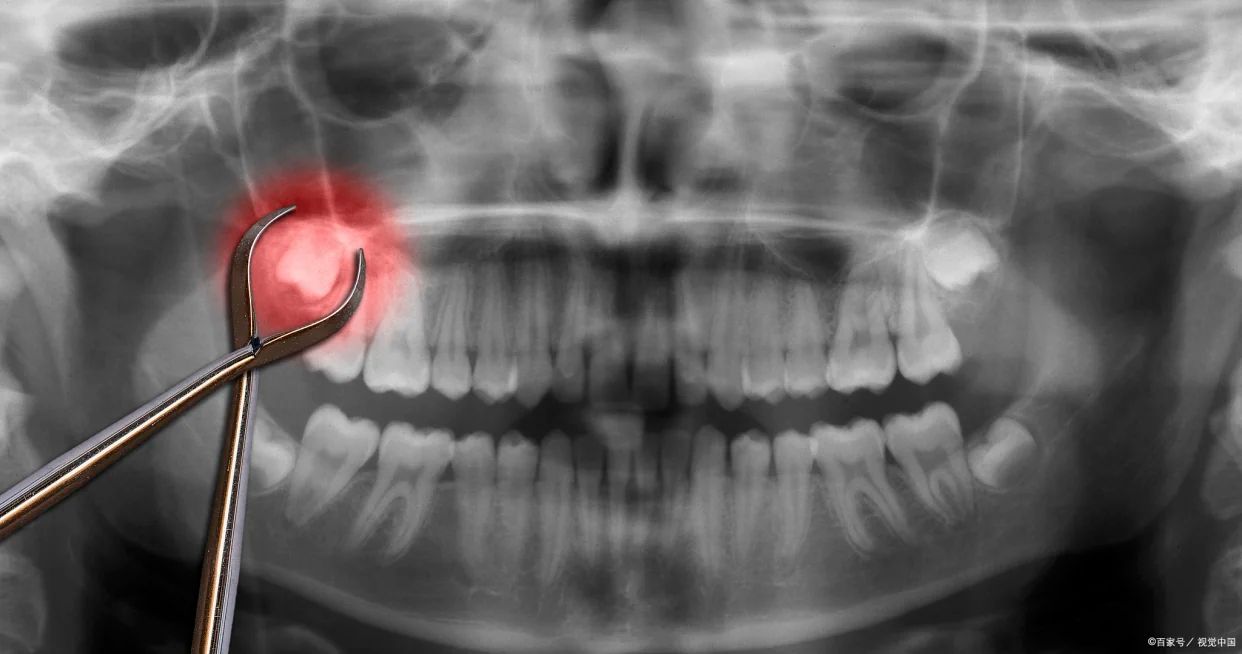
- Bitewing X-rays to check for decay between teeth or under fillings
- Transillumination (shining light through the tooth) to spot cracks or shadows
- Caries-detecting dyes or advanced cavity detection tools when needed
- Assessment of your bite and any signs of grinding or clenching
A clear diagnosis guides the right treatment, so avoid scraping at the area yourself.
Treatment options that actually work
For simple staining or tartar
- Professional cleaning and polishing to remove plaque, tartar, and surface stains
- Air polishing or microabrasion for stubborn extrinsic stains
- At-home maintenance with a soft brush and non-abrasive toothpaste; whitening toothpaste can help with surface stain but won’t fix decay
For intact but dark amalgam
- Leave it if it’s sound and symptom-free, or
- Replace it with a tooth-colored composite or a ceramic inlay/onlay for a lighter look if you prefer a cosmetic upgrade (your dentist will weigh tooth structure, bite, and durability)
For secondary decay or leaking margins
- Remove decay and replace the filling with a well-sealed restoration
- If a large portion of the tooth is involved, consider an onlay or crown for strength
- Address any contributing factors like dry mouth, frequent snacking on sugary foods, or grinding
For internal discoloration after nerve damage
- Root canal therapy if the tooth is symptomatic or infected
- Internal bleaching of a non-vital (root canal–treated) tooth to lighten from the inside
- Veneer or crown for severe, resistant discoloration or structural cracks
For cracks or broken fillings
- Bonding or replacement of the filling for minor chips
- Onlay or crown if the crack is more significant
- Night guard if bruxism is contributing to wear and fractures
Smart prevention habits
- Brush twice daily with a fluoride toothpaste and floss once a day
- Rinse with water after coffee, tea, red wine, or dark sauces; consider a straw for iced drinks
- Limit frequent snacking on sugary or acidic foods and drinks
- See your dentist for regular checkups and cleanings; small problems are easier to fix early
- Replace worn, chipped, or rough fillings promptly before bacteria sneak in
- Use a night guard if you grind your teeth
- Avoid harsh, abrasive whitening powders or hard scrubbing that can roughen filling edges and attract more stain
When to seek care quickly
- Pain that lingers or wakes you at night
- Sensitivity that lasts more than 24–48 hours after triggers
- A piece of the filling breaks off or the tooth feels sharp
- Swelling, gum tenderness, or a pimple-like bump on the gum
- A dark area that’s spreading or a bad taste that won’t go away
Bottom line
A black-looking filling or a dark rim around a restoration doesn’t always spell trouble. It could be harmless discoloration, but it can also point to leakage, decay, or structural issues. A quick dental evaluation will tell you which it is and what to do next. With regular checkups, good home care, and timely repairs, you can keep your fillings functional, your smile bright, and small concerns from becoming big problems.
















