









Black Tooth: Warning Signs & What to Do Now – Step by Step
Noticing a black tooth can be alarming. Sometimes it’s just surface staining; other times it signals decay or even a dying tooth. The key is to spot the warning signs and act quickly. This guide walks you through what a black tooth might mean, how to tell if it’s urgent, and exactly what to do next—step by step.
What “black tooth” can mean
A tooth turning black doesn’t always mean the worst, but it always deserves attention. Common causes include:
- Surface stains: Dark pigments from coffee, tea, red wine, cola, berries, soy sauce, or tobacco can cling to enamel. Tartar (hardened plaque) can also look brown to black along the gumline.
- Tooth decay: Cavities can turn dark as decay progresses. A black spot may start small and grow if untreated.
- Dead or traumatized tooth: A blow to the mouth can damage the nerve, leading to internal discoloration that appears gray, brown, or black over time.
- Old fillings: Metal or deteriorating fillings can darken surrounding tooth structure.
- Medications or conditions: Some antibiotics in childhood, iron supplements, or enamel defects can contribute to discoloration.
Warning signs to watch for
If any of these show up with the discoloration, book a dental visit soon:
- Pain, throbbing, or tenderness when biting or with temperature changes
- Sensitivity to sweets or cold
- Persistent bad breath or bad taste
- Bleeding gums, redness, or swelling around the tooth
- A dark line or patch near the gumline that seems to get bigger
- Discoloration after a recent injury
- A chipped or broken edge along with a black area
When it’s urgent
Seek urgent care if you notice:
- Severe, unrelenting tooth pain
- Swelling in the face or jaw
- Fever, swollen lymph nodes, or signs of spreading infection
- Pus or a pimple-like bump on the gums
These can indicate an abscess or advanced infection that needs immediate treatment.
Step-by-step: What to do now
Step 1: Take a closer look (safely)
Use a clean mirror and good light. Note:
- Where the dark area is (top, side, near the gumline)
- Whether it’s a surface stain that wipes away slightly or a fixed spot
- Any chips, cracks, or changes since a recent hit to the mouth
- Gum health around the tooth (redness, puffiness, bleeding)
Step 2: Clean gently but thoroughly
- Brush twice daily with a soft-bristled brush and fluoride toothpaste. Focus on the stained area, but don’t scrub aggressively—overbrushing can wear enamel.
- Floss around the tooth to remove plaque along the gumline and between teeth. Consider interdental brushes if gaps are larger.
- Avoid DIY whitening with harsh abrasives, charcoal, or straight hydrogen peroxide. These can irritate gums or damage enamel and won’t fix internal discoloration.
Step 3: Manage discomfort smartly
- Rinse with warm saltwater (½ teaspoon of salt in a cup of warm water) to soothe gums.
- Avoid very hot, cold, or sugary foods and drinks that can trigger sensitivity.
- If needed, take an over-the-co
unter pain reliever as directed on the label. Avoid placing aspirin directly on the gums—it can burn tissue.
Step 4: Schedule a dental visit
Even if the black area seems minor, a dentist can determine whether it’s surface staining or something deeper. Expect:
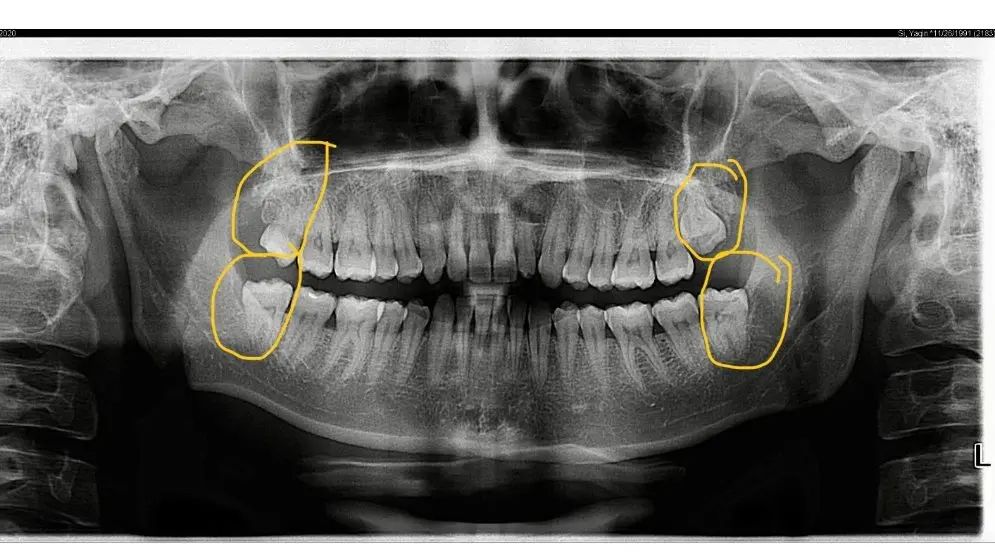
- An exam and likely an X-ray to check for decay, internal changes, or problems under old fillings.
- Treatment tailored to the cause:
- Professional cleaning or scaling for surface stains and tartar
- Fluoride treatment or a filling for early decay
- Root canal therapy and a crown for a tooth with nerve damage or deep decay
- Replacement options if a tooth can’t be saved
- Whitening for extrinsic stains; note that internal discoloration typically won’t respond to over-the-counter whiteners
Acting early often means simpler, less invasive treatment and better outcomes.
Step 5: If trauma is involved
- Avoid biting on the affected tooth.
- Apply a cold compress outside the cheek to reduce swelling.
- If a piece of tooth breaks, store it in milk or saline and bring it to the dentist.
- Get evaluated even if pain fades—nerve damage can surface later with discoloration.
Step 6: Strengthen your daily routine
- Brush twice daily with fluoride toothpaste; consider an electric toothbrush for more consistent cleaning.
- Floss or use interdental tools daily to keep the gumline clean.
- Rinse after staining foods and drinks; drink water throughout the day.
- Limit frequent snacking and sugary beverages, which feed decay-causing bacteria.
- Cut down on tobacco use, which rapidly stains teeth and harms gum health.
- Keep regular dental checkups and cleanings to catch issues early and remove tartar.
Prevention tips to keep teeth bright and healthy
- Sip and rinse: If you enjoy coffee, tea, or red wine, drink water afterward and avoid slowly sipping over long periods.
- Use a straw for dark or acidic drinks to reduce contact with front teeth.
- Choose tooth-friendly snacks like cheese, nuts, and crunchy vegetables.
- Wear a mouthguard for sports to prevent trauma.
- Replace worn or leaking fillings as recommended to prevent leakage and discoloration.
FAQs: quick answers
Is a black tooth always a cavity?
Not always. It could be surface stain, tartar, or a reaction around an old filling. Only an exam can confirm whether decay is present.
Can whitening fix a black tooth?
Whitening can help surface stains, but it won’t fix decay or internal discoloration. If the darkening is from inside the tooth, different dental treatments are needed.
Will a black tooth go away on its own?
No. Stains can be managed with professional cleaning and better habits, but decay or internal changes require dental care.
The bottom line
A black tooth is a helpful warning sign, not a reason to panic. Identify whether it’s a stain or something deeper, take gentle care at home, and schedule a dental checkup promptly. The sooner you act, the more likely you are to preserve the tooth, avoid infection, and get back to a confident, healthy smile.
















