









Black Around Teeth: Symptoms, Causes & Treatment – Find Out
Spotting a dark ring near your gums or black shadows between your teeth can be unsettling. Sometimes it’s a simple surface stain; other times it can signal gum disease or tooth decay that needs attention. Understanding what black around teeth really means helps you act quickly and choose the right fix. Below, you’ll find the common symptoms, the most likely causes, and the treatment options your dentist may recommend—plus smart prevention tips you can start today.
Common symptoms to watch for
- A thin black line along the gumline on front or back teeth
- Black or dark triangles between teeth where the gums have receded
- Rough, dark deposits that don’t brush away (often tartar/calculus)
- A single tooth turning gray or black
- Bad breath, bleeding gums, or tenderness
- Sensitivity to cold, sweets, or biting pressure
- Dark edges around old fillings or crowns
Why does black appear around teeth?
- Extrinsic stains: Coffee, tea, red wine, cola, curry, and tobacco leave pigments on enamel. A specific “black line stain” can also occur along the gumline due to chromogenic bacteria. These stains are on the surface and often polish off.
- Tartar (calculus) buildup: When soft plaque hardens, it becomes tartar. As it absorbs pigments and minerals, it can look brown to black, especially near the gumline and behind lower front teeth. Tartar traps more bacteria and irritates gums.
- Gum disease and recession: Inflamed gums pull away from teeth, exposing darker root surfaces and creating “black triangles” between teeth. Signs include bleeding, swelling, and persistent bad breath.
- Cavities near the gumline or between teeth: Decay can look brown or black. If the enamel has collapsed, you might see a dark hole or feel a catch with floss.
- A dead or dying tooth: Trauma or deep decay can cause the pulp to die, turning the tooth gray to black over time. Pain may be present initially, then fade as the nerve dies.
- Old metal fillings or crowns: Amalgam fillings and metal margins can cast a grayish or dark hue into the surrounding tooth or along the gumline. A harmless “amalgam tattoo” can also cause a bluish-black spot on the gums.
- Medications and mouthrinses: Some mouthwashes and iron supplements can stain teeth, especially when plaque control is poor.
- Habits and dry mouth: Smoking, vaping, and dry mouth reduce natural cleaning and increase stain and tartar buildup.
How a dentist finds the cause
A clinician will examine your teeth and gums, probe for pockets, check bite and contact points, review your habits, and take X‑rays if needed. Distinguishing surface stain from tartar, decay, or internal discoloration is key because the treatment path differs.
Treatment options that actually work
- Professional cleaning and polishing: For extrinsic stains and tartar, your hygienist will scale (remove hardened deposits) and polish the enamel. This usually restores the natural color around the gums and makes teeth feel smooth.
- Periodontal therapy: If gum disease is present, deep cleaning (scaling and root planing) removes deposits below the gum
line and smooths root surfaces so gums can heal and tighten. Advanced cases may need periodontal procedures to rebuild or reshape tissues.
- Cavity repair: Early decay may be remineralized with professional fluoride protocols; established cavities require fillings. Between-teeth decay might need a precisely shaped filling to close gaps and prevent new black triangles.
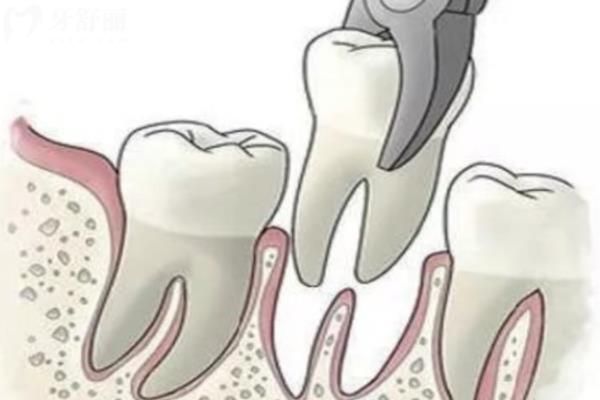
- Root canal or extraction for a dead tooth: A tooth that has turned dark due to nerve death can be saved with root canal therapy. Internal bleaching, bonding, veneers, or crowns can address persistent discoloration after the tooth is stabilized.
- Restoration replacement: Replacing leaking or stained fillings and adjusting dark crown margins can remove the “shadow” at the gumline. Tooth-colored materials blend better with enamel and gums.
- Cosmetic options for black triangles: In select cases, dentists can add tiny amounts of bonded composite to the sides of teeth or use orthodontics to close spaces. Where gums have receded significantly, soft tissue grafting may be discussed.
- Addressing gum pigmentation: Natural dark gum pigment is usually harmless. However, any new, uneven, or changing dark patch on the gums should be evaluated to rule out other conditions.
What to avoid at home
- Aggressive scrubbing or highly abrasive pastes can wear enamel and gum edges, making black triangles worse.
- Charcoal or whitening hacks on social media often remove surface stain but won’t fix tartar, decay, or internal discoloration—and can increase sensitivity.
- Overuse of strong mouthwashes may contribute to staining when plaque is not well controlled.
Smart prevention habits
- Brush twice daily with a fluoride toothpaste and a soft brush; angle bristles toward the gumline.
- Clean between teeth every day with floss or interdental brushes to prevent dark lines in tight contact areas.
- Get regular professional cleanings and checkups; your dentist can spot early tartar and tiny cavities before they turn black.
- Rinse or drink water after coffee, tea, red wine, or soda; consider a straw for cold beverages to minimize contact with front teeth.
- Quit smoking or vaping; stain and gum risk drop quickly after stopping.
- Manage dry mouth by staying hydrated, chewing sugar‑free gum, and reviewing medications with your clinician.
- Choose a balanced diet that limits frequent sugary or acidic snacks.
When to see a dentist quickly
- A tooth suddenly turns gray or black
- Persistent bad breath, bleeding, or gum tenderness
- Pain, swelling, or a pimple on the gum near a dark tooth
- A black line that grows or doesn’t budge with good brushing
- New dark spots on the gums or any pigmented area that changes
Bottom line
“Black around teeth” is a description, not a diagnosis. It may be simple surface stain, but it can also point to tartar buildup, gum disease, cavities, or a dying tooth. Because these causes require different solutions, the safest move is a dental evaluation paired with a professional cleaning. With the right treatment and daily habits, you can remove the darkness, protect your smile, and keep your gums healthy for the long term.
















