









Symptoms Root Canal: Serious or Not? What to Do Next
If you’ve been dealing with a toothache and you’re seeing “root canal” pop up in your search results, you’re not alone. Root canals have a reputation, but the truth is they’re a common, effective way to save a tooth that’s in trouble. The key is knowing when your symptoms suggest something serious and what steps to take next. Here’s a clear, friendly guide to help you make sense of it all.
What a Root Canal Is (And Why It’s Needed)
Inside every tooth is soft tissue called pulp, which contains nerves and blood vessels. When that pulp becomes inflamed or infected—often from deep decay, a crack, or repeated dental work—you can experience significant pain. A root canal treatment removes the infected pulp, disinfects the inside of the tooth, and seals it to prevent reinfection. Done properly, it can save your natural tooth and stop the pain at the source.
Common Symptoms That May Point Toward a Root Canal
Not every toothache means you need a root canal, but certain signs raise the odds. Pay attention to:
- Lingering pain: Pain that lingers for 30 seconds or more after hot or cold exposure is a classic warning sign of pulp inflammation.
- Sensitivity to temperature: A sharp twinge from ice water or hot coffee that doesn’t quickly fade can indicate deeper trouble.
- Pain when biting or chewing: Discomfort or a dull ache when putting pressure on the tooth may point to a cracked tooth or inflamed tissue.
- Swelling or a pimple on the gums: A small bump near the tooth that drains or recurs could indicate an abscess.
- Tooth discoloration: A tooth turning dark or gray may signal nerve damage.
- Persistent bad taste or bad breath: This can happen with a draining infection.
- Tender or swollen jaw and gums: Localized swelling can accompany infection.
These symptoms don’t guarantee you need a root canal, but they’re strong indicators that you should see a dentist promptly.
Serious or Not? Red Flags You Shouldn’t Ignore
Some situations warrant urgent attention. Contact a dentist right away, or seek urgent care if you notice:
- Severe, throbbing pain that keeps you up at night
- Facial swelling that’s getting worse
- Fever, fatigue, or swollen lymph nodes along with tooth pain
- A spreading infection or difficulty swallowing
- Trauma to the tooth with ongoing pain or sensitivity
Left untreated, an infected tooth can lead to an abscess, bone loss, and infection spreading beyond the mouth. Early care can prevent complications and often simplifies treatment.
What to Do Next: Practical Steps
- Call a dentist: Explain your symptoms and ask for the soonest evaluation. The earlier you go, the more options you’ll have.
- Protect the tooth: Avoid chewing hard foods on the sore side. Skip very hot or cold beverages if they worsen sensitivity.
- Manage discomfort: Over-the-counter pain relievers can help temporarily; follow the label and avoid placing aspirin directly on the gum or tooth.
- Rinse gently: A warm saltwater rinse can soothe irritated gums and help keep the area clean.
- Keep it clean: Continue brushing and flossing carefully around the area, avoiding aggressive pressure.
What to Expect at the Dentist
A dentist will review your symptoms, examine the to
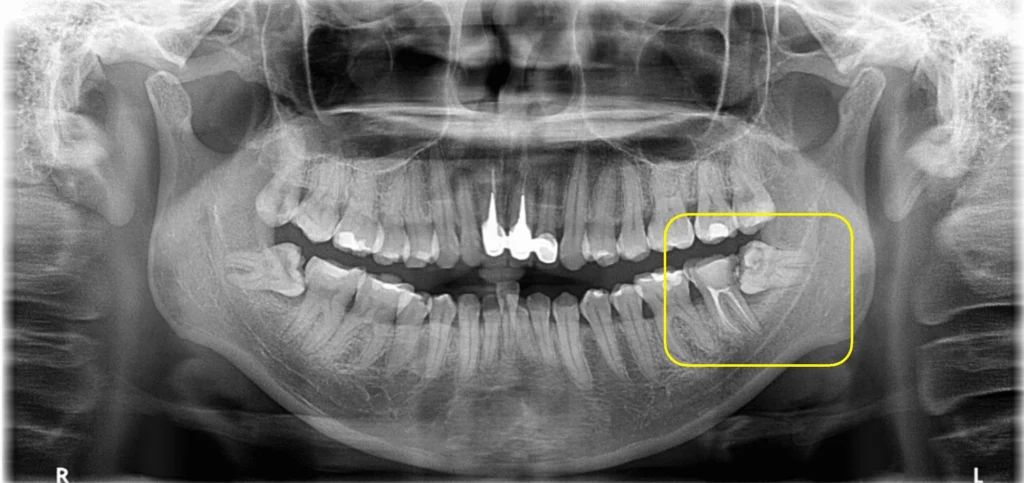
oth, and may perform tests like thermal sensitivity, tapping, or gentle biting to pinpoint the pain. Dental X-rays (and sometimes 3D imaging) help reveal hidden decay, cracks, or infection near the root tip.
If the pulp is irreversibly inflamed or infected, a root canal is typically recommended. If the issue is reversible, you might only need a filling or other conservative treatment. In some cases, a cracked tooth or severe decay can change the plan, so your dentist will tailor recommendations to your situation.
The Root Canal Process, in Simple Terms
- Numbing: The tooth and surrounding area are anesthetized so you stay comfortable.
- Access: A small opening is made to reach the pulp chamber.
- Cleaning and shaping: Infected tissue is removed, and the canals are disinfected and shaped.
- Sealing: The canals are filled with a biocompatible material to prevent re-infection.
- Restoration: The tooth is restored, often with a crown, to protect it and restore function.
Modern root canal therapy is typically straightforward and far more comfortable than its reputation suggests. Many patients feel immediate relief as the source of pain is removed.
Do You Always Need a Crown After a Root Canal?
It depends. Back teeth that handle heavy chewing forces often benefit from a crown to prevent fractures. Front teeth may be restored with a filling, depending on how much structure remains. Your dentist will advise the best option to keep the tooth strong long term.
What If You Don’t Treat It?
Delaying treatment can let the infection progress, potentially causing an abscess, bone loss, or spread to other areas. Pain can ebb and flow, but a tooth that has “gone quiet” is not necessarily healthy—nerve tissue may have died, and infection can continue silently. Prompt care helps preserve your natural tooth and protects overall health.
Prevention Tips to Avoid Future Problems
- Keep a consistent routine: Brush twice daily with fluoride toothpaste and floss once a day.
- Don’t skip checkups: Regular dental visits can catch early issues before they reach the pulp.
- Address grinding: If you clench or grind, ask about a night guard to protect your teeth.
- Be mindful of cracks: Avoid chewing ice, hard candies, or using your teeth as tools.
- Manage dry mouth: Hydration and saliva-friendly habits support oral health.
Myths and Realities
- Myth: Root canals cause pain. Reality: They relieve pain caused by infection. Anesthesia and modern techniques keep you comfortable.
- Myth: Extraction is easier. Reality: Saving your natural tooth helps maintain your bite, jawbone, and chewing efficiency. Extractions can lead to more complex treatments later.
- Myth: If pain stops, you’re fine. Reality: Pain can fade even as infection persists. Only a dental exam can confirm health.
Bottom Line
If you’re experiencing lingering tooth pain, sensitivity, gum swelling, or a pimple-like bump near a tooth, it could be a sign that a root canal is needed. Serious symptoms like facial swelling, fever, or intense throbbing mean it’s time to seek urgent care. The best next step is a prompt dental evaluation. With timely treatment, a root canal can save your tooth, relieve pain, and get you back to eating, talking, and smiling with confidence.
















