



Dentist in HK or Shenzhen? How to Choose – See Your Options
Torn between booking a dentist in Hong Kong or crossing the border to Shenzhen? You’re not alone. With residents commuting both ways for work and family, dental care has become a cross-border decision that balances quality, convenience, communication, and follow-up. Here’s a clear, practical guide to help you decide where your next checkup, cleaning, or treatment should be.
How the systems differ
Hong Kong and Shenzhen both offer a wide range of dental services—from routine checkups and teeth cleaning to orthodontics, implants, root canals, and cosmetic dentistry. But the systems aren’t identical.
- Hong Kong: Clinics are highly regulated under the Dental Council of Hong Kong. Many dentists trained locally or abroad, and you’ll find strong infection control standards, English- and Cantonese-speaking staff, and clinics familiar with international patients and insurers. Public dental services are limited, so most adults use private clinics.
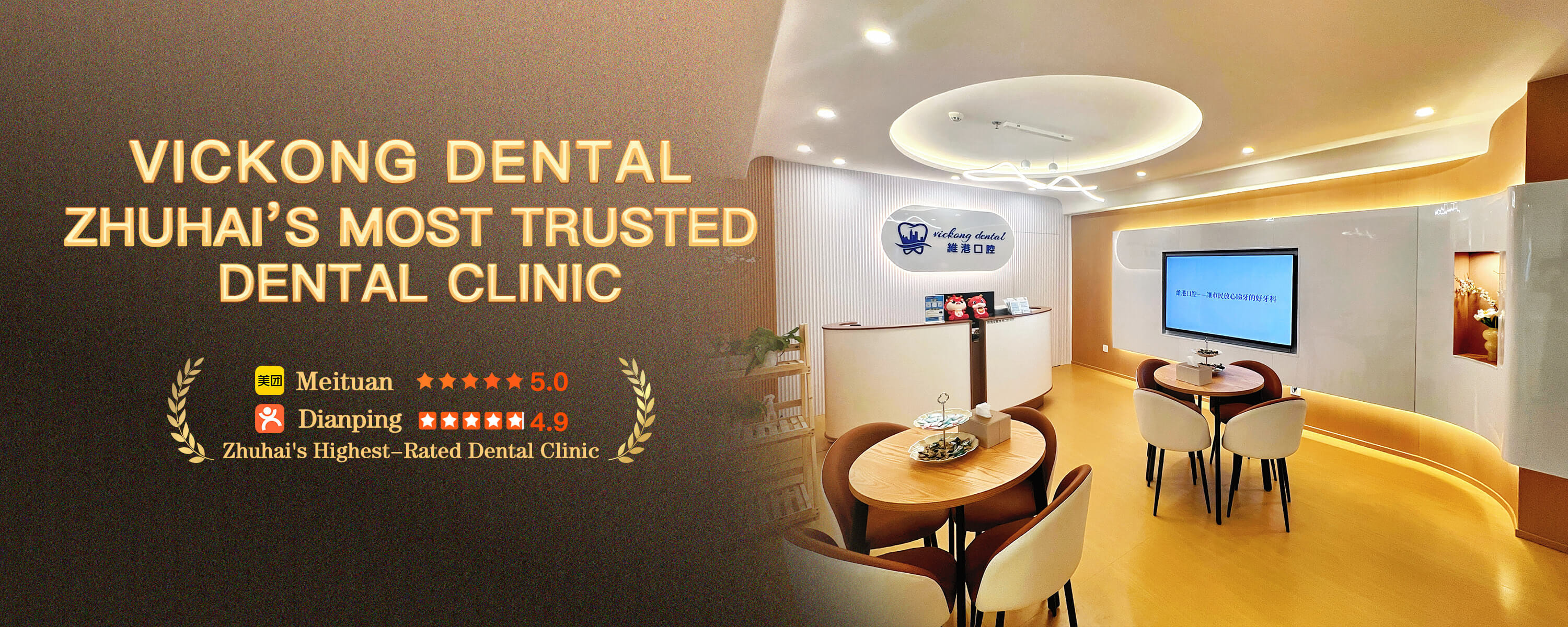
- Shenzhen: The city’s rapid growth has brought a surge in modern private clinics, often equipped with digital technology and extended hours. You’ll find Mandarin-speaking teams, and many clinics also serve bilingual patients. Facilities range from boutique practices to hospital-based dental centers.
What to consider before you book
1) Qualifications and experience
Look for clear credentials no matter the city. In Hong Kong, verify registration with the Dental Council. In Shenzhen, ask about licensure and the dentist’s education and clinical focus (e.g., orthodontics, periodontics, implantology). For complex cases—jaw surgery, full-mouth rehabilitation, or challenging root canals—ask how often the dentist performs that procedure and whether they collaborate with specialists.
2) Language and communication
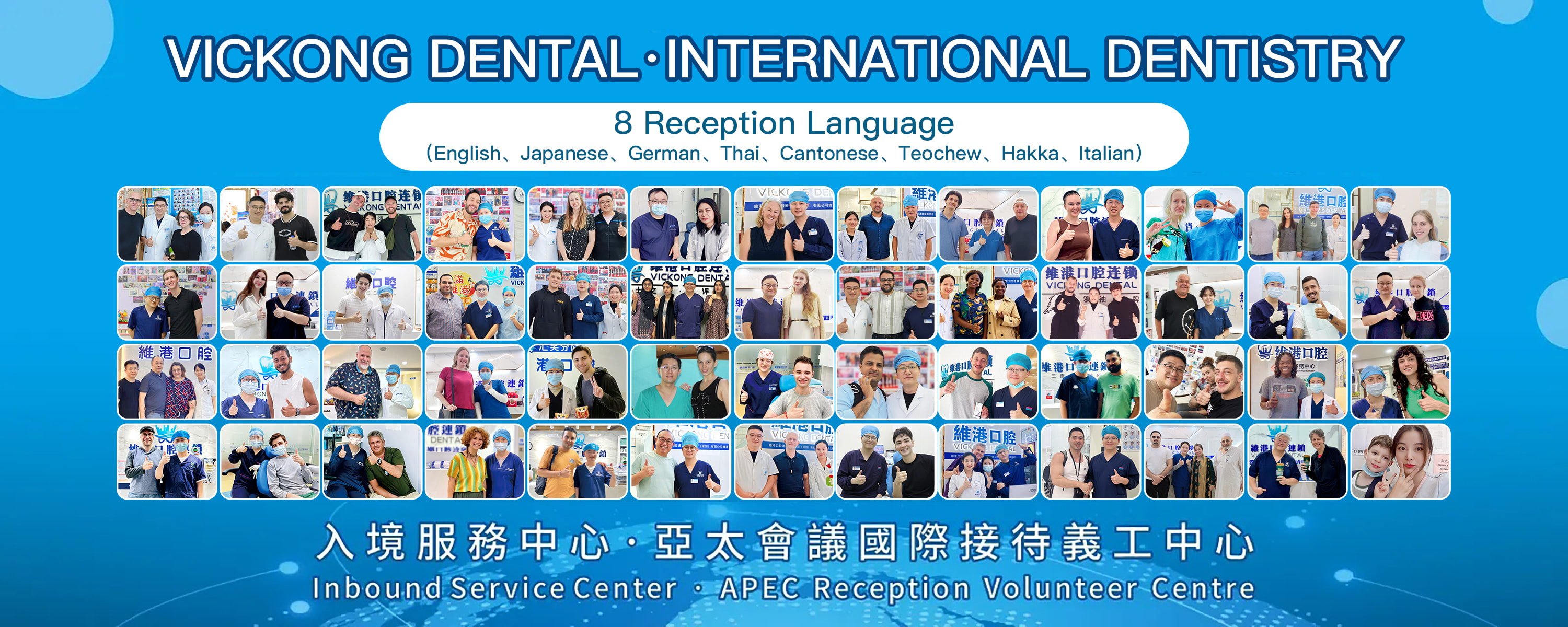
Comfort matters. If you prefer English or Cantonese, Hong Kong clinics typically have strong coverage. In Shenzhen, many clinics are bilingual, but confirm language support upfront—especially for detailed consent forms, post-op instructions, and emergency contact information.
3) Technology and clinical capabilities
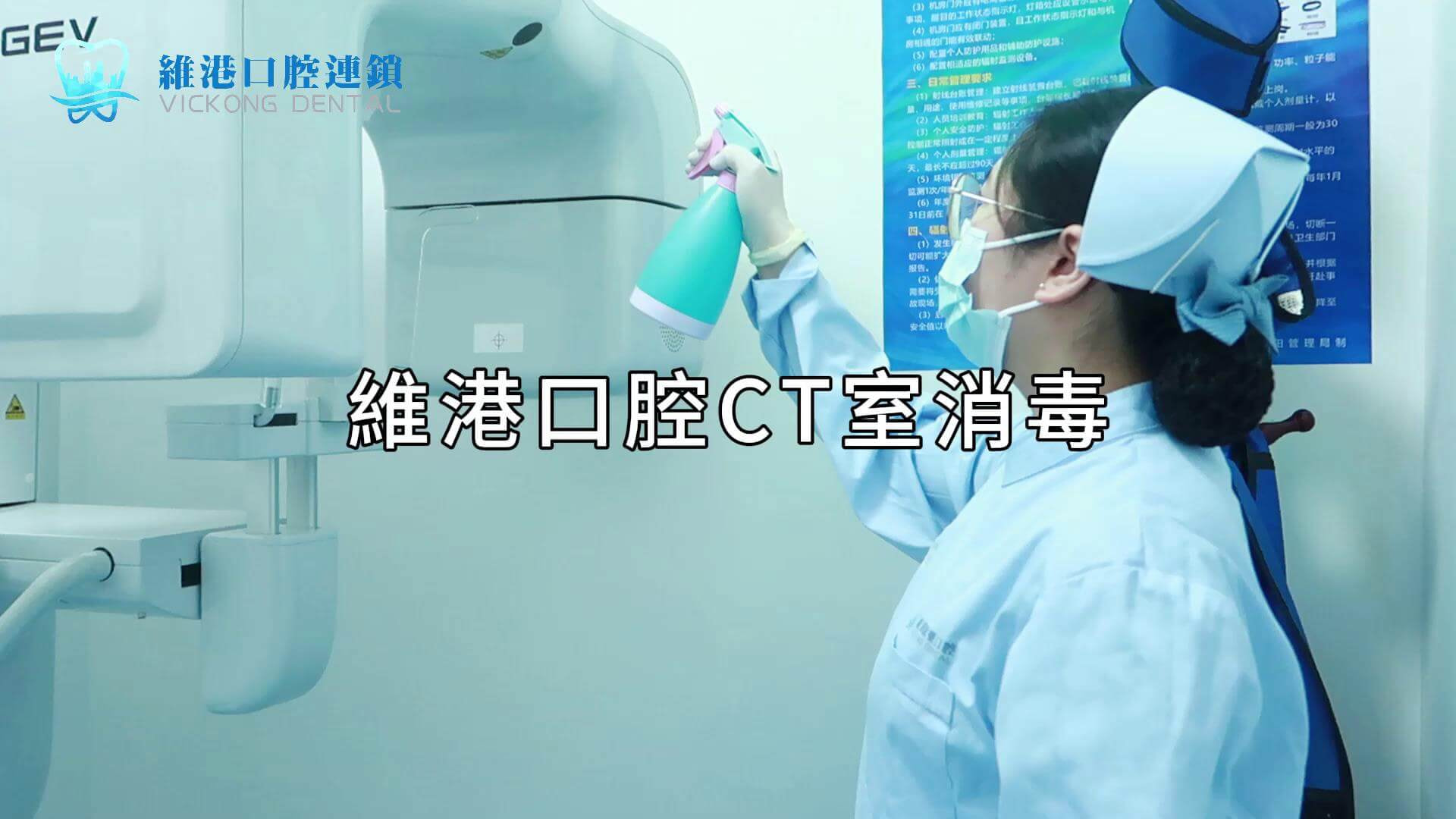
Modern dentistry can be faster and more precise with tools like 3D CBCT scans, digital X-rays, microscopes for root canals, intraoral scanners, and CAD/CAM same-day crowns. If you’re considering clear aligners, implants, or cosmetic veneers, ask about the clinic’s tech stack and on-site capabilities.
4) Appointment availability and timing
If you need a quick slot for pain or broken restorations, availability may decide for you. Shenzhen clinics often provide flexible evening or weekend hours. Hong Kong clinics may offer efficient scheduling and punctuality, especially in central business districts. If you’re commuting, weigh travel time plus border crossing.
5) Aftercare and follow-up
Orthodontics, implants, and gum treatments require multiple visits. If you live in Hong Kong but plan to see a Shenzhen dentist, ensure follow-up is easy and border hours fit your schedule. For long-treatment plans, choose the side of the border you can visit consistently, even at short notice.
6) Insurance and payment
Many Hong Kong clinics handle direct billing for international plans or can provide detailed receipts for claims. In Shenzhen, ask whether the clinic supports your insurance and how claims are processed. If you’re using corporate coverage, check network restrictions and required documentation before you go.
7) Infection control and safety
Both cities feature clinics with high hygiene standards
. Do your due diligence: ask about sterilization protocols, single-use consumables, and protective measures during procedures. A transparent clinic will happily explain their workflow.
8) Emergency and urgent care
Toothaches and abscesses don’t wait. If you’re prone to dental issues or mid-treatment, it may be safer to choose the city where you can reach your dentist quickly. Confirm how emergency appointments are handled, including after-hours contacts.
9) Records, data, and continuity
Request digital copies of X-rays, scans, and treatment notes so you can switch clinics if needed. If you plan cross-border care, keep records in a secure, shareable format and clarify who leads the treatment plan to avoid duplication or gaps.
When Hong Kong might be better
- You need communication in English or Cantonese with nuanced explanations
- You’re managing complex, multidisciplinary treatments
- Your insurance is widely accepted by HK clinics
- You want quick access from HK Island, Kowloon, or New Territories without border logistics
- You prefer longstanding regulatory oversight and established specialist networks
When Shenzhen might be better
- You live or work in Shenzhen or can cross the border easily
- You want flexible hours or fast appointments
- You’re seeking modern clinics with digital workflows and on-site tech
- You’re comfortable with Mandarin and bilingual care
- You’re exploring a wider range of clinic options before committing to a long treatment plan
Procedure-specific tips
- Orthodontics (braces or clear aligners): Prioritize consistent follow-ups and a clear treatment roadmap. Ask about scan frequency, remote monitoring, and travel-friendly checkup schedules.
- Implants: Verify 3D planning, bone grafting experience, and the implant systems used. Clarify the timeline from placement to final crown and what happens if adjustments are needed.
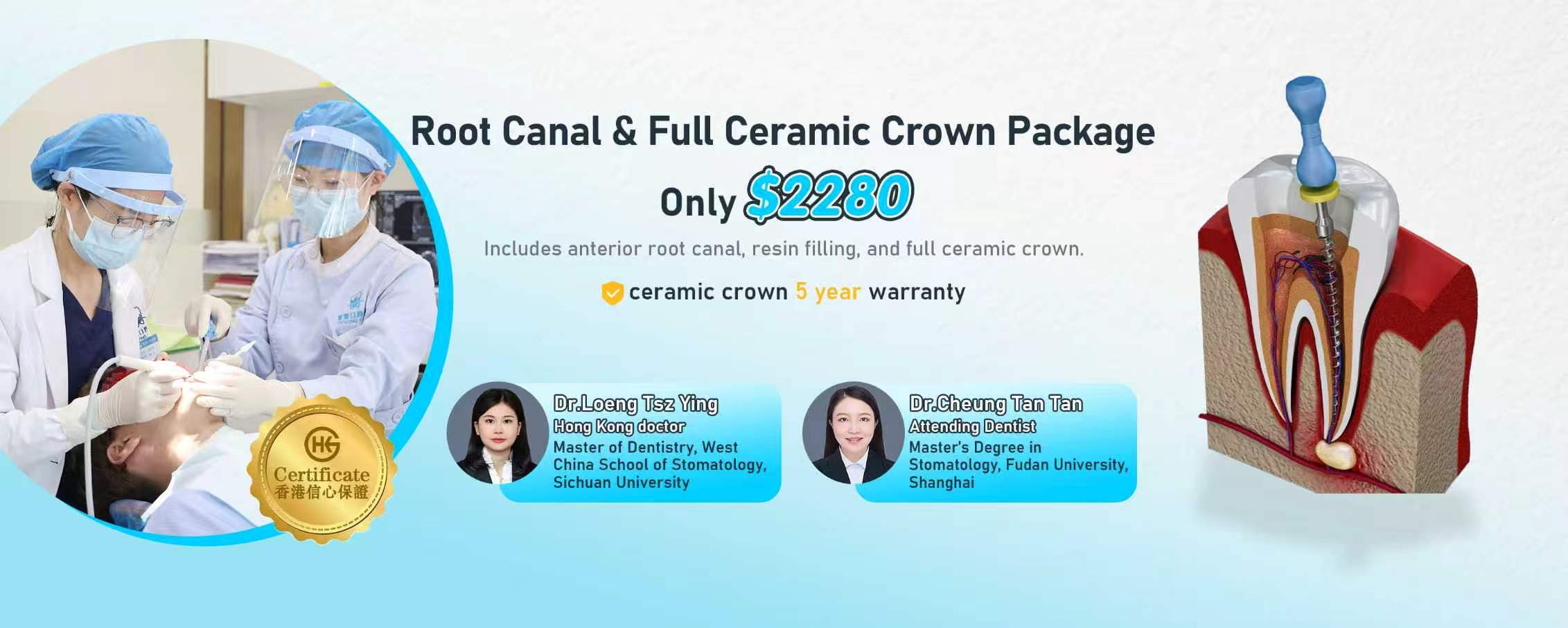
- Root canals (endodontics): Ask whether a microscope is used and how many molar cases the dentist treats monthly. Pain management and same-day crowns can reduce overall visits.
- Pediatric dentistry: Look for behavior management skills, child-friendly environments, and preventive programs like sealants and fluoride varnish.
Border and logistics checklist
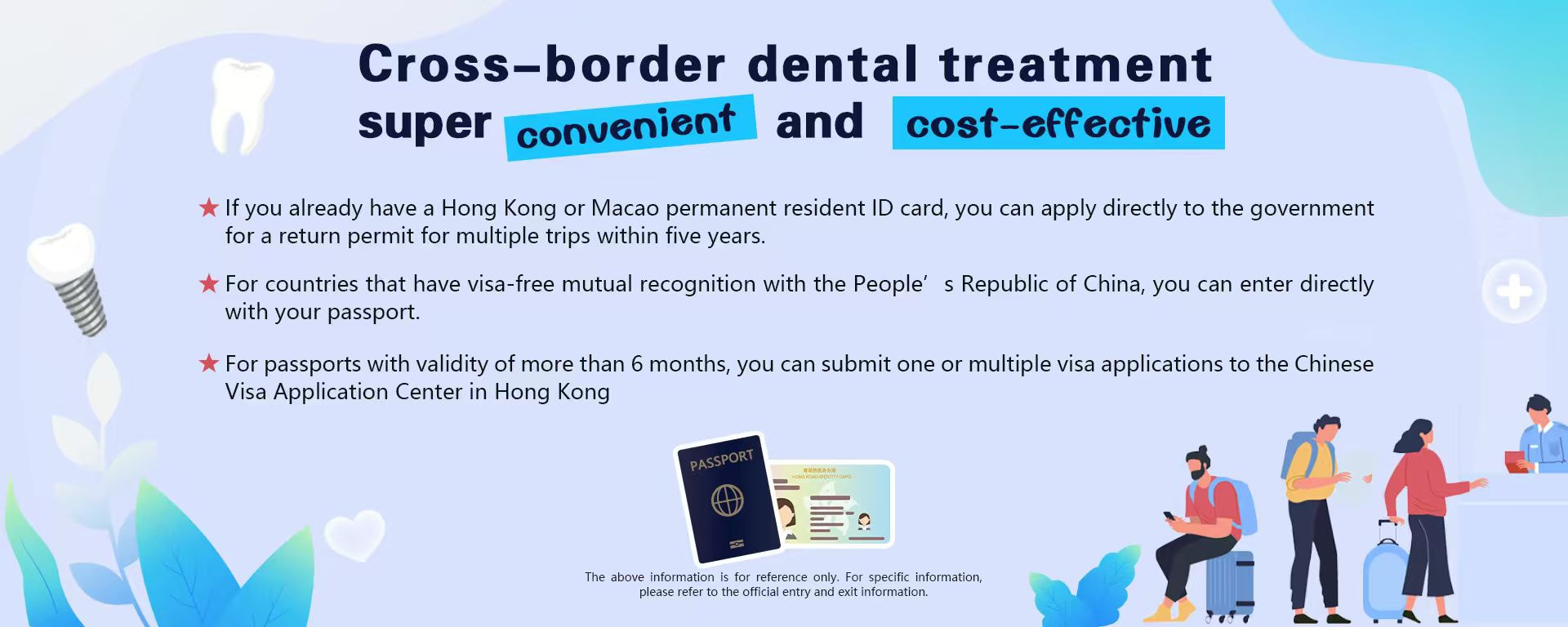
- Travel time plus buffer for crossings and clinic location
- Border opening hours that match appointment times
- Contact methods that work in both regions (phone, messaging apps, email)
- Clear post-op instructions and emergency plan if you’re traveling back the same day
- Easy access to your records and X-rays across clinics
How to compare clinics quickly
- Verify licenses and specialties
- Check languages served and how complex cases are explained
- Ask about tech: CBCT, scanners, same-day crowns, microscopes
- Confirm appointment flexibility and follow-up cadence
- Review insurance support and documentation
- Read recent, detailed patient reviews focused on outcomes and communication
Bottom line
Both Hong Kong and Shenzhen offer high-quality dental care. The right choice often comes down to where you can communicate best, commit to follow-ups, and access timely appointments. For complex, multi-step treatments and English- or Cantonese-first communication, a Hong Kong dentist may feel more seamless. For flexible scheduling, modern setups, and convenience if you’re based across the border, a Shenzhen dentist can be an excellent option. Choose the clinic that makes it easiest for you to get consistent, safe, and comfortable care—because the best dental plan is the one you can actually stick to.