









Signs Failed Root: Warning Signs & What to Do Now – Find Out
Noticing new pain or swelling around a tooth that already had a root canal? You might be dealing with a failed root. While “failed root” sounds alarming, it simply means a previously root-treated tooth is not healing as expected or has become reinfected. The sooner you spot the signs and act, the better your chances of saving the tooth comfortably and predictably.
What a “failed root” actually means
A root canal removes inflamed or infected pulp from inside a tooth, then seals the canals to prevent bacteria from returning. Failure happens when bacteria persist, re-enter, or spread. This can occur weeks, months, or even years after treatment. Common causes include complex canal anatomy that was hard to clean, hidden canals, leakage around a filling or crown, cracks, or new decay.
Early warning signs you should not ignore
These clues often appear first. One sign alone does not guarantee failure, but several together should prompt a dental exam:
- Tenderness when chewing or tapping on the tooth
- Sensitivity that lingers, especially to pressure or temperature
- Mild, recurring swelling of the gum near the tooth
- A pimple-like bump (sinus tract) on the gum that comes and goes, sometimes draining
- Bad taste or odor that returns despite brushing
- Tooth feels “high” or different when your teeth come together
- Discoloration or darkening of the tooth over time
Serious red flags that require urgent care
Do not wait if you notice:
- Increasing pain that throbs or keeps you up at night
- Facial swelling or spreading gum swelling
- Fever, malaise, or swollen lymph nodes
- Difficulty swallowing or breathing (seek emergency care immediately)
What to do now: a simple action plan
1) Call your dentist or an endodontist (root canal specialist). Explain your symptoms and that the tooth had a prior root canal. Ask for a prompt evaluation.
2) Gather your history. Note when symptoms started, what triggers them, prior treatments on that tooth, and any recent trauma or grinding.
3) Get the right diagnostics. High-quality X-rays or 3D imaging (CBCT) help find hidden canals, cracks, or bone changes. Temperature and bite tests also guide the diagnosis.
4) Avoid self-diagnosis. Over-the-counter pain relievers can help temporarily, but antibiotics alone rarely solve the underlying issue. Relief without treatment may allow infection to progress silently.
5) Protect the tooth until seen. Chew on the other side, avoid very hard or sticky foods, and keep the area clean with gentle brushing and flossing.
Treatment options your dentist may recommend
- Root canal retreatment: The most common solution. The dentist re-enters the tooth, removes old filling material, disinfects all canals thoroughly (including missed ones), and reseals the tooth. A new, well-sealed crown afterward is crucial to prevent reinfection.
- Apicoectomy (endodontic surgery): If retreatment is not feasible or a persiste
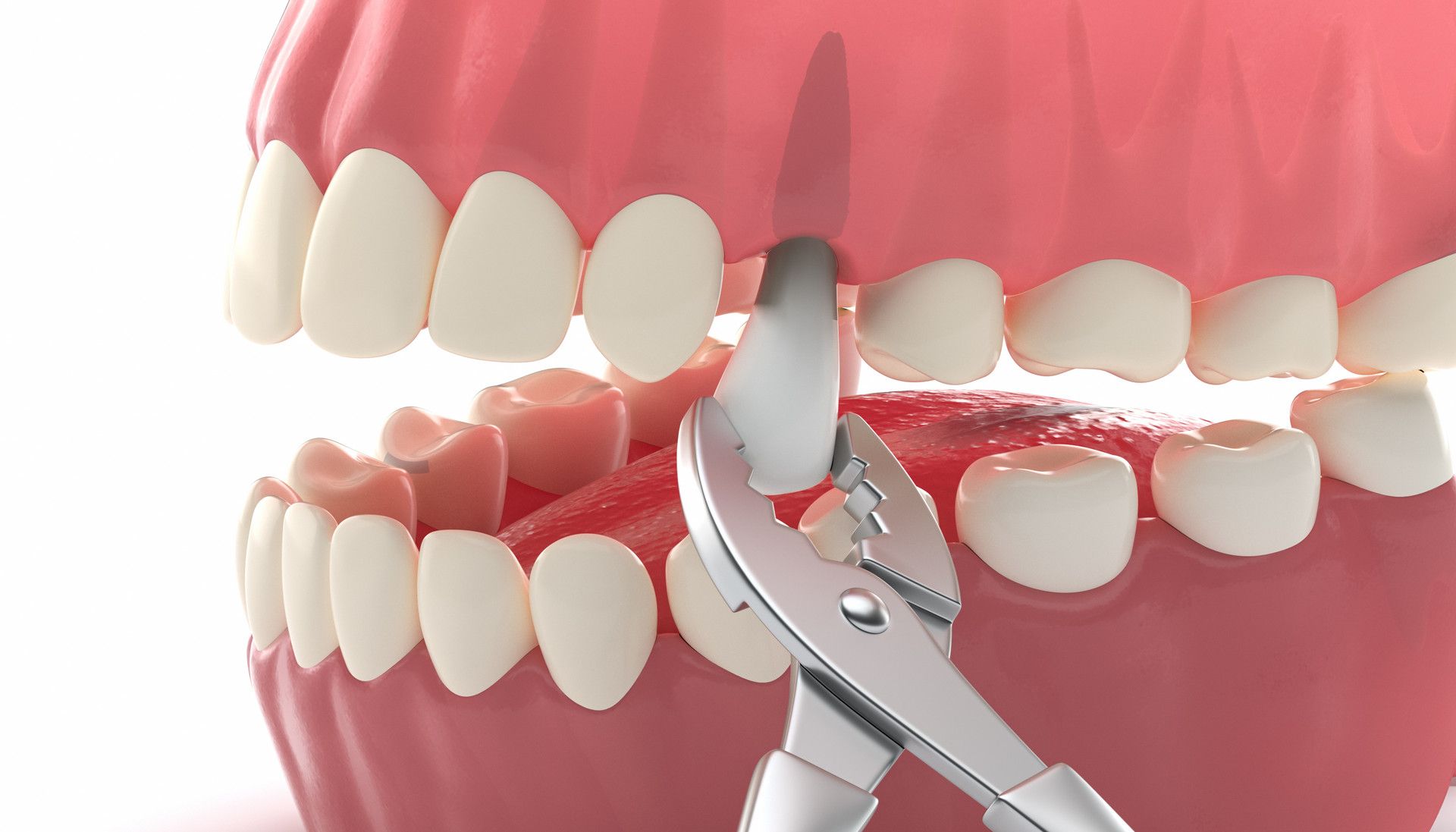
nt infection clings to the tip of the root, a minor surgical procedure can remove the infected root tip and seal the canal from the end.
- Restoration repair: If leakage around a filling or crown is the culprit, replacing the restoration may be enough—often done together with retreatment if bacteria have re-entered.
- Extraction and replacement: If the tooth is cracked vertically, severely decayed below the gumline, or otherwise not restorable, removing the tooth and replacing it (for example, with a dental implant or bridge) may provide the best long-term outcome.
Can a failed root heal on its own?
Unlikely. While symptoms can fade temporarily, bacteria inside the root system or surrounding bone usually persist. That is why imaging and professional treatment are key. The goal is to eliminate infection, seal the canals, and restore a tight outer barrier.
How to feel better while you wait for your appointment
- Use a cold compress on the cheek for 10–15 minutes at a time to reduce swelling.
- Consider dentist-approved over-the-counter pain medication as directed on the label.
- Keep the area clean; rinse gently with warm salt water if it feels soothing.
- Avoid intense exercise if you have significant swelling or fever.
- Do not apply heat to a swollen area—it can worsen inflammation.
What if you recently had a root canal and still have pain?
Some sensitivity for a few days is normal, especially when chewing. However, if pain is severe, worsening after a week, or accompanied by swelling, call your dentist. Early intervention often prevents a minor issue from becoming a major one.
Why root canals sometimes fail—even when done well
- Hidden or extra canals missed the first time
- Complex anatomy like narrow, curved canals
- Microleakage from a worn filling or loose crown
- New decay around the margins of a crown
- Undetected cracks that let bacteria in
- Delayed placement of the final crown, allowing reinfection
Prevention tips to protect a treated tooth
- Do not delay the final crown after a root canal; it seals and strengthens the tooth.
- Maintain meticulous daily oral hygiene and regular professional cleanings.
- Wear a nightguard if you grind or clench.
- Address dry mouth, acid reflux, or a high-sugar diet—all raise decay risk.
- Seek prompt care for chips, broken fillings, or trauma.
When is it an emergency?
If you have facial swelling, fever, spreading redness, difficulty swallowing, or trouble breathing, seek urgent or emergency care immediately. Serious infections can escalate quickly and require prompt medical and dental attention.
The bottom line
A failed root is not a lost cause. With timely diagnosis and the right treatment—often retreatment or a minor surgical fix—many teeth can be saved for years to come. Pay attention to early warning signs, protect the tooth, and see your dentist or an endodontist promptly. Acting now is the best way to stop infection, relieve pain, and restore your smile with confidence.
















