









Destinations in Shenzhen: What Patients Actually Say
Shenzhen isn’t just a tech powerhouse; it’s fast becoming a go-to destination for medical and wellness care in South China. From large public hospitals to private clinics and traditional Chinese medicine centers, patients—locals, expats, and medical travelers—are sharing consistent, candid impressions. If you’re thinking about seeking care in Shenzhen, here’s what people actually say about the experience, the neighborhoods, and what to expect before you book.
First impressions: modern, efficient, and connected
Patients consistently describe Shenzhen’s healthcare scene as clean, digital-first, and surprisingly organized. Registration, appointment bookings, and lab results are often managed through apps, with QR codes guiding you from check-in to pharmacy pickup. Many appreciate the fast diagnostics, noting that imaging and lab work can be completed the same day. The trade-off? Popular clinics can get crowded, especially on weekday mornings, and walk-ins might wait longer than pre-booked appointments.
Where patients go: district-by-district snapshots
Futian: Considered the heart of business and government, Futian hosts several major hospitals and international-facing clinics. Patients praise the bilingual front desks, straightforward referrals, and integrated pharmacy counters. Many expats favor this area for its English support and central location.
Nanshan: Home to tech parks and universities, Nanshan is known for specialty clinics—especially in dermatology, orthopedics, and wellness. Patient reviews point to strong outpatient services and convenient metro access, with many clinics clustered near commercial centers.
Luohu: As one of Shenzhen’s earliest districts near the Hong Kong border, Luohu boasts established public hospitals with broad departments. Patients who value comprehensive coverage and robust inpatient facilities often choose Luohu, though they note that registration systems can feel more “old school” and that early arrival helps.
Bao’an and Longgang: These fast-growing districts attract locals with expanded hospital networks and newer facilities. Patient feedback highlights shorter commute times for residents and improved appointment availability, with a steadily increasing number of specialists.
Public vs. private: how patients compare
Public hospitals are praised for comprehensive departments, seasoned specialists, and fast access to diagnostics. Patients say you get strong value and breadth of care, but you should expect busier halls and take a number for most services. Private clinics and international hospitals, on the other hand, frequently receive mentions for shorter wait times, more personalized consultations, and clearer communication in English or other languages. Patients appreciate the concierge-like coordination for tests and follow-ups. The choice usually depends on how complex your issue is, your language needs, and your comfort with busier public systems versus quieter private settings.
What expat patients highlight
- Bilingual staff: Many report smooth English support in international clinics and certain departments of larger hospitals, especially in Futian and Nanshan.
- Transparent plans: Patients like clear explanations about treatment plans, what’s happening next, and how follow-up will be handled.
- Insurance processing: Experiences vary. Some clinics bill directly to international insurers, while others provide clear documentation for reimbursement. Patients advise confirming coverage in advance.
Dental and vision care: frequent praise
Shenzhen has a strong reputation for dental and vision services. Patients commonly mention modern equipment, careful sterilization, and flexible scheduling for preventive
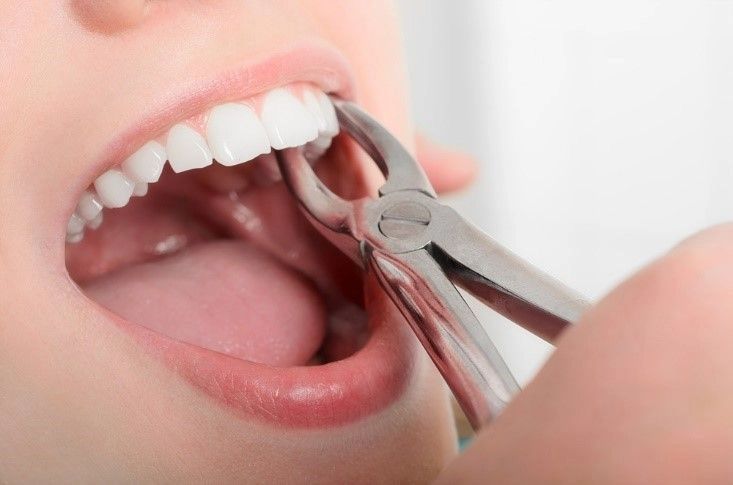
care, cosmetic dentistry, braces, and cataract or laser vision consultations. Reviews emphasize asking about the clinic’s post-procedure follow-up and ensuring you get written aftercare instructions in your preferred language.
Traditional Chinese medicine (TCM): integrated and approachable
TCM is widely accessible, often integrated into hospital systems. Patients who try acupuncture, tuina massage, or herbal consultations appreciate the holistic approach and the way TCM complements Western diagnostics. Many highlight that TCM departments offer practical lifestyle guidance and stress management strategies, and suggest discussing how TCM and Western treatments can safely work together.
What patients wish they had known sooner
- Book early: Use hospital apps or call centers to secure a slot, especially for popular specialties or weekend appointments.
- Arrive prepared: Bring your ID, insurance details, and a list of medications. Patients recommend translating key medical history into Chinese or English if needed.
- Expect electronic queues: Watch for on-screen updates or app notifications. It’s normal to scan QR codes at multiple points.
- Follow-up planning: Clarify how results will be delivered, whether a second visit is needed, and how to reach your doctor or clinic if questions arise.
- Pharmacy flow: Most hospitals have on-site pharmacies where e-prescriptions are filled quickly; patients say it’s convenient but can be crowded at peak times.
Neighborhood logistics and travel tips
Shenzhen’s metro network is a major perk. Patients note that many hospitals sit within a 5–10 minute walk of metro stations, and signage is clear. If you’re traveling from Hong Kong, Futian and Luohu are practical gateways with medical facilities nearby. For overnight stays, people often choose hotels within walking distance of their clinic to reduce stress. Cafés and convenience stores around hospital clusters make it easy to wait comfortably between tests.
Quality and safety: what reviews emphasize
Patients frequently mention the city’s emphasis on infection control, with visible sanitizing routines and separate pathways for fever clinics when needed. Many are impressed by the speed of imaging and lab results, but they also stress the importance of asking questions during consultations—clarifying test rationales, timelines, and alternatives. Consistent themes include professionalism, well-maintained equipment, and a system that rewards those who plan ahead.
Patient-to-patient advice
- Choose the right tier for your needs. For complex cases, large public hospitals with full departments may be best. For routine or elective care, private or international clinics offer convenience and language support.
- Confirm language support. If English or another language is important, call ahead or check the clinic’s website and reviews.
- Keep records handy. Patients recommend saving PDFs of test results and imaging reports on your phone for easy sharing across providers.
- Mind the peak hours. Early morning and early week slots fill quickly; midweek afternoons can be calmer.
The bottom line
According to patient experiences, Shenzhen offers a compelling mix of modern facilities, integrated digital workflows, and a wide range of specialties across its districts. Whether you’re an expat seeking English-speaking care, a local patient looking for efficient diagnostics, or a traveler combining wellness with a city break, the city’s healthcare ecosystem is built to accommodate different needs. The strongest outcomes, patients say, come from planning: book ahead, verify language and insurance details, and make time to ask questions. With that, Shenzhen’s medical destinations can be as smooth and reassuring as its sleek skyline suggests.
















