









Dental Clinic in Hong Kong or Shenzhen? A Full Guide
If you live in the Greater Bay Area, travel frequently between cities, or you’re an expat deciding where to book your next check-up, comparing a dental clinic in Hong Kong versus Shenzhen is a real-world choice. Both cities offer modern facilities, skilled dentists, and a wide range of treatments—cleanings, fillings, root canals, crowns, implants, orthodontics, and more. The right choice depends on your schedule, language comfort, follow-up needs, and insurance. This full guide walks you through the key factors so you can feel confident booking your next appointment.
Regulation and quality standards
Hong Kong’s dentists are regulated by the Dental Council of Hong Kong, and clinics must meet well-defined standards for professional practice and infection control. In Shenzhen (and mainland China), dental services are regulated under national and provincial health authorities, and you’ll find reputable stomatology hospitals, dental departments inside general hospitals, and private clinics with modern technology. In both cities, look for credentials on the wall, active licenses, and transparency about treatment plans and sterilization procedures.
Language and communication
In Hong Kong, English and Cantonese are commonly used in clinics, with many providers comfortable explaining complex treatment steps in English. In Shenzhen, Mandarin is the primary language, but many urban clinics—especially those serving expats—offer English-speaking dentists or coordinators. If you require detailed explanations, ask upfront whether the dentist can communicate in your preferred language and whether written treatment plans are available in English or Chinese.
Insurance and payment
Insurance can be a deciding factor. Many clinics in Hong Kong are experienced with international insurance and may offer direct billing with certain providers, though this varies. In Shenzhen, direct billing is available in some international clinics and hospitals, but it’s common to pay first and file a claim later. Always confirm whether your plan covers dental, what documents are needed (itemized receipts, diagnostic codes, x-rays), and whether pre-authorization is required. Expect to pay in local currency—HKD in Hong Kong and CNY in Shenzhen—and ask if the clinic accepts cards or mobile payments.
Appointment availability and timing
If you need a routine check-up and cleaning, both cities offer flexible scheduling, including evenings and some weekend hours. For specialized procedures—orthodontics, endodontics (root canals), periodontics, oral surgery—availability depends on the clinic and the specialist’s schedule. Some Hong Kong specialists book out weeks in advance; Shenzhen clinics with multiple chairs may have quicker openings. Consider public holidays and local events that can affect clinic hours and border traffic.
Technology and treatment scope
In both cities, you’ll find digital x-rays, intraoral scanners, and 3D CBCT imaging at many clinics. Orthodontics (including clear aligners), implantology, wisdom tooth extraction, and cosmetic dentistry are widely available. If you’re planning complex work—full-mouth rehabilitation, multi-implant cases, or orthognathic surgery—look for clinics that can coordinate referrals to hospital-based teams or specialists. Ask whether they use digital workflows for crowns and aligners, and how they handle lab work and turnaround times.
Emergency care and aftercare
Dental emergencies happen: severe toothache, fractured tooth, lost crown, swelling, or trauma. In Hong Kong, some hospital emergency departments can manage acute dental issues or refer you quickly, and there are clinics with extended hours. In Shenzhen, stomatology hospitals and larger dental centers often have emergency coverage or same-day slots. If you undergo major treatment—like surgical extraction or implant placemen
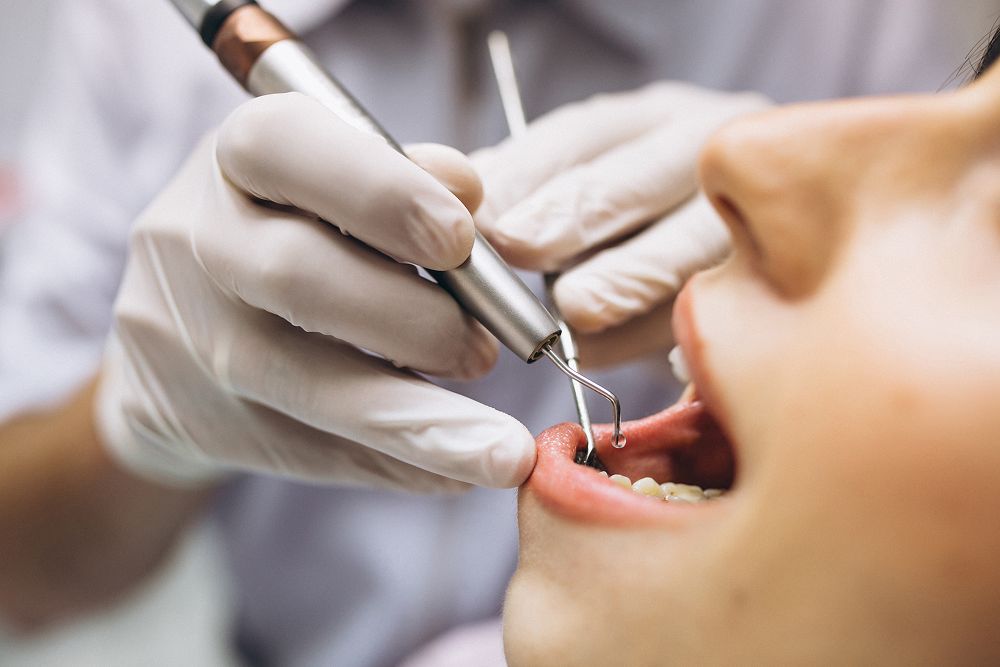
t—think about aftercare. Crossing the border right after oral surgery can be uncomfortable; you’ll want easy access to your dentist for checks and suture removal. If follow-ups are frequent (as with braces), choosing the city where you spend most of your time is practical.
Cross-border logistics
Travel time can make or break your plan. Consider:
- Border control queues and visa rules.
- Clinic location relative to MTR/Metro stations or checkpoints.
- Weather disruptions or typhoon signals in Hong Kong and peak travel times in Shenzhen.
- Whether you can carry post-op medications and dental appliances across the border (generally fine; keep prescriptions and receipts).
Data and records
Good record-keeping saves time and prevents repeated imaging. Ask for digital copies of x-rays, scans, and treatment notes. Most clinics can share DICOM files, intraoral photos, and aligner plans. If you switch cities mid-treatment—common with orthodontics—coordinate a structured handover with timelines, wire sizes, aligner numbers, and notes on planned movements.
How to choose the right dental clinic
Use this quick checklist before you book:
- Credentials and experience: Is the dentist licensed locally? Are they a specialist (e.g., endodontist, periodontist, orthodontist) if your case requires it?
- Infection control: Do they use barrier protection, sterilize instruments with autoclaves, and conduct regular spore testing? Are sterilization logs available?
- Diagnostics first: Do they perform a thorough exam with x-rays if indicated, discuss findings, and present options with pros and cons?
- Communication: Clear explanations, informed consent, and written plans in your preferred language.
- Technology: Access to digital x-rays, CBCT (when needed), and intraoral scanning for precise crowns and aligners.
- Follow-up and continuity: Easy booking for reviews, clear post-op instructions, and reachable contact in case of issues.
- Reviews and word-of-mouth: Look for detailed, balanced feedback rather than generic ratings.
- Transparency: Itemized treatment plans, estimated timelines, and clear policies on adjustments or remakes.
Special considerations for specific patients
- Families and kids: Pediatric dentists in both cities offer child-friendly environments and behavior management techniques. Ask about sealants, fluoride protocols, and minimally invasive options like silver diamine fluoride when appropriate.
- Orthodontic patients: Braces and aligners require frequent visits. Choose a clinic that aligns with your travel routine, and confirm retainer plans post-treatment.
- Nervous patients: Inquire about pain control, nitrous oxide, or other sedation options, and ensure there’s proper monitoring and emergency preparedness.
- Gum health: If you have periodontal issues, a periodontist-led plan with maintenance visits is crucial, and continuity across borders can be challenging—plan accordingly.
Hong Kong vs Shenzhen: which one is right for you?
Choose a dentist in Hong Kong if you prefer English-speaking communication, need easy access to international insurance handling, or live and work primarily in the city. Pick a dentist in Shenzhen if your daily routine is based there, you want convenient access to large stomatology centers, or you value shorter travel times for frequent follow-ups. For many cross-border residents, the most practical solution is a split approach: routine check-ups and hygiene in the city you’re in most weeks, with specialized treatment scheduled where your chosen expert practices.
Bottom line
Both Hong Kong and Shenzhen offer high-quality dental care. Focus on the clinic’s professionalism, communication, and follow-up rather than the city label. Vet the dentist, understand the plan, keep your records organized, and choose the location that makes treatment and aftercare easiest for your life. Your smile—and your schedule—will thank you.
















