









Why is only one tooth yellow? – Quick Answer Inside
Quick answer: A single yellow tooth usually means the discoloration is local, not a whole-mouth issue. The most common reasons are surface stains or plaque buildup on that tooth, a cavity, a past injury to the tooth, an enamel defect (like Turner tooth), gum recession exposing yellower dentin, or discoloration of an old filling or root canal–treated tooth. A toothbrush test can help: if the yellow lifts after careful brushing and flossing, it was likely surface stain. If it doesn’t, you’re looking at an internal or structural cause that a dentist should check.
Why one tooth can look different
Teeth aren’t identical twins. Tiny variations in shape, position, enamel thickness, and past dental history can make one tooth pick up stains or reflect light differently. When one tooth looks yellow, think about two big categories:
- Extrinsic (surface) discoloration: stains that sit on the outside of the tooth and can sometimes be polished away.
- Intrinsic (internal) discoloration: changes within the tooth’s structure or under the enamel, which usually don’t budge with brushing.
Common reasons a single tooth turns yellow
1) Plaque, tartar, and position. If one tooth is slightly crowded, rotated, or sits farther back, it can trap more plaque. Plaque can look creamy-yellow; when it hardens into tartar, the deposit can appear yellow or brown and won’t brush off. Smokers or coffee/tea drinkers often notice stain sticking to these rougher spots first—sometimes on just one tooth.
2) A cavity or enamel erosion. Early decay can present as a yellowish chalky area as enamel demineralizes. If the spot feels rough or sticky, or the tooth is sensitive to sweets or cold, a cavity could be the culprit. Acid erosion (from soda, reflux, or frequent snacking) can thin enamel on a single tooth, letting the naturally yellower dentin shine through.
3) Past trauma or a “Turner tooth.” A hit to a tooth—even years ago—can cause internal changes, leading to a yellow, brown, or gray hue. In kids, an infection or injury to a baby tooth can disturb the developing permanent tooth beneath it, leaving the successor with a localized yellow-brown defect known as Turner hypoplasia (often on an incisor or premolar).
4) Enamel defects and white spot lesions. Thin or pitted enamel from developmental issues can make one tooth look more yellow, simply because it’s less opaque. After braces, leftover white spot lesions from demineralization can pick up a yellow cast over time.
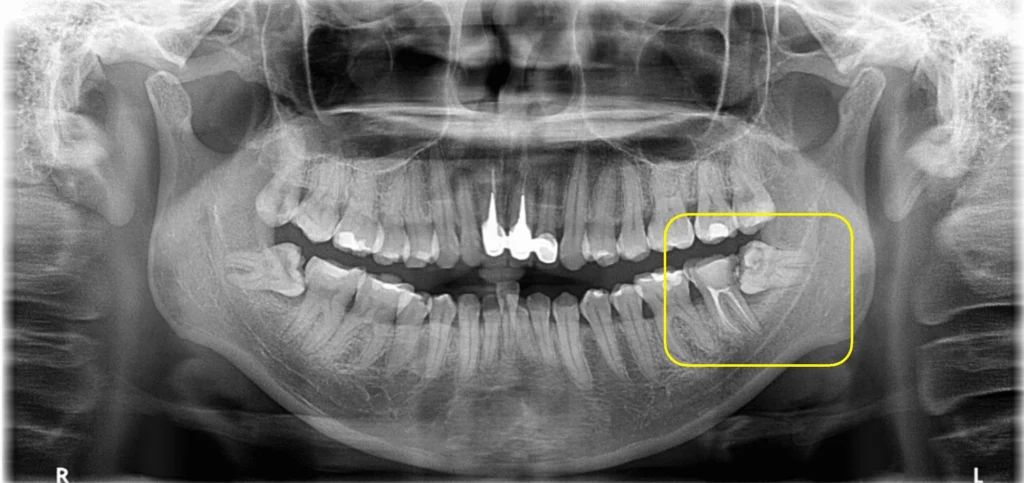
5) Root canal history. Teeth that have had root canal treatment may darken or take on a yellow-brown tone as byproducts inside the tooth seep into the dentin. This discoloration is intrinsic and typically needs professional whitening (internal bleaching) or cosmetic coverage.
6) Old fillings, bonding, or crowns. Composite fillings and bonding can yellow faster than natural enamel. Margins may stain, making the tooth look discolored. A single crown or veneer that no longer matches can also read as “yellow” next to bright natural teeth.
7) Gum recession on one tooth. If the gum has pulled back on one tooth (often from brushing too hard or clenching), the exposed root surface (dentin) naturally looks more yellow than enamel.
8) Natural shade variation. Some people simply have one tooth—often a lateral incisor—that’s slightly darker or more translucent by nature. This becomes obvious after whol
e-mouth whitening if that one tooth doesn’t lighten as much.
A quick self-check you can do today
- Brush and floss thoroughly, then gently polish the surface with a soft brush for an extra 30–60 seconds. If the yellow diminishes, it’s likely surface stain or plaque.
- Look closely under good lighting. A smooth, uniformly yellow surface suggests thin enamel or gum recession. A patchy, rough, or sticky area hints at tartar or decay.
- Think back: any old injury, braces, or fillings on that tooth? A history of trauma or dental work points to intrinsic causes.
- Note symptoms: pain, lingering sensitivity, or a bad taste can mean decay or a leaking filling that needs attention.
What not to do
- Don’t scrub aggressively or use abrasive powders. You can wear down enamel and worsen the color contrast.
- Don’t overuse whitening strips on just one tooth. You may create uneven shades and sensitivity, and intrinsic discoloration likely won’t respond well.
- Avoid DIY “bleaching” hacks with acids (like lemon or vinegar). They erode enamel and can make the tooth more yellow over time.
Best treatments for a single yellow tooth
Your dentist will tailor the fix to the cause:
- Professional cleaning and polishing: Removes stubborn plaque and tartar that brushing can’t.
- Microabrasion or polishing for superficial enamel stains: Gently buffs out outer discoloration.
- Fluoride or remineralization therapy: Helps reverse early demineralization and strengthens enamel.
- Replace or refresh old fillings/bonding: Newer materials can match your current tooth shade better and resist stain.
- Internal bleaching: Done through the inside of a root canal–treated tooth to lighten intrinsic discoloration.
- Targeted external whitening with custom trays: Allows controlled bleaching of the single tooth or minor adjustments so all teeth match.
- Resin bonding: Masks yellow areas or enamel defects with tooth-colored material.
- Veneer or crown: For significant structural defects or deep discoloration that whitening can’t correct.
Prevention tips that actually work
- Brush twice daily with a soft brush and a fluoride toothpaste. Angle toward the gumline and clean all surfaces; don’t skip the “difficult” tooth.
- Floss or use interdental brushes every day. These tools reach the places a brush misses.
- Rinse with water after coffee, tea, red wine, or smoking. Consider a straw for staining drinks.
- Schedule regular cleanings. Tartar and stain sneak up fastest on misaligned teeth.
- Wear a night guard if you clench. Grinding thins enamel and exposes yellower dentin.
- Use whitening products strategically. Whole-mouth whitening can make one intrinsically dark tooth stand out; ask your dentist for a targeted plan.
When to see a dentist soon
- The color change followed an injury.
- There’s sensitivity, pain, or a lingering bad taste.
- You see a crack, chip, or a dark line near an old filling.
- Brushing doesn’t change the color after a week of careful cleaning.
- The tooth looks progressively more yellow or brown.
Bottom line
A single yellow tooth is common—and fixable. Surface stain and plaque are easy wins with better cleaning and a professional polish. If the color remains, it’s probably an intrinsic issue like past trauma, enamel defects, gum recession, or old dental work. The good news: dentistry offers several precise, conservative ways to bring that one tooth back in line with the rest of your smile.
















