









Full Mouth Restoration Cost: A Guide for HK Patients
Thinking about a full mouth restoration in Hong Kong? For many people, the biggest question is what drives the cost. While it’s impossible to quote numbers without an exam, you can understand the factors that shape fees and learn how to compare clinics and plans confidently. This guide keeps things practical and Hong Kong–specific, so you can plan your smile makeover with fewer surprises.
What “full mouth restoration” actually means
Full mouth restoration (also called full mouth rehabilitation) is not one single procedure. It’s a customised plan to rebuild function, health, and aesthetics across all or most teeth. Depending on your needs, it might combine:
- Periodontal therapy to treat gum disease
- Root canal treatments for infected teeth
- Extractions of non-restorable teeth
- Bone grafting or sinus lifts to support implants
- Dental implants and full-arch implant bridges
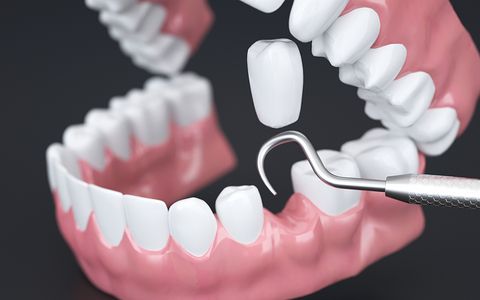
- Crowns and bridges to strengthen and replace teeth
- Veneers or bonding for aesthetics
- Orthodontics or aligners to correct bite
- Bite adjustments and night guards to protect restorations
Who typically needs it? People with widespread decay, severe wear from grinding, missing teeth, long-standing gum disease, or bite collapse after years without dental care. The plan is phased to return you to comfort, chewing function, and confidence.
What shapes the cost in Hong Kong
Several variables influence the overall investment:
- Scope and complexity: More teeth treated, more surgeries, or additional grafting means more chair time, lab work, and visits.
- Materials and lab quality: Options like zirconia, porcelain, and titanium differ in durability and technique demands. High-quality labs and custom shading in Hong Kong can add cost but improve long-term outcomes.
- Clinician expertise: Care from a prosthodontist or an implant-focused team may cost more but can reduce complications for complex cases.
- Technology: Digital smile design, 3D imaging (CBCT), guided implant surgery, and CAD/CAM milling streamline precision but add diagnostic and production costs.
- Anaesthesia and sedation: Local anaesthesia is standard; IV sedation with an anaesthetist is an additional service some patients prefer.
- Location and overheads: Clinics in Central, Tsim Sha Tsui, or Causeway Bay often have higher overhead than suburban practices, which can be reflected in fees.
- Aftercare and maintenance: Hygiene visits, occlusal checks, and potential repairs are part of ownership costs for your new smile.
What a typical treatment journey includes
A realistic plan usually spans months and may include:
1) Comprehensive consultation: Health history, photos, scans, impressions, and bite analysis.
2) Disease control: Cleaning, deep scaling, and any needed antibiotics or root canals to stabilise infection and inflammation.
3) Foundation work: Extractions, bone grafting, and temporary solutions to maintain appearance and function.
4) Implant placement (if needed): Followed by a healing period so bone can integrate with the implants.
5) Provisional restorations: Try-in phase to test bite, speech, and aesthetics before final work.
6) Final restorations: Crowns, bridges, veneers, or full-arch implant prostheses adjusted for comfort and bite.
7) Maintenance: Hygiene schedule, night guard, and periodic assessments to protect the result.
Costs patients often overlook
Beyond the main procedures, consider:
- Diagnostics: Cone beam CT scans, digital wax-ups, and mock-ups
- Temporaries: Long-term provisional bridges while you heal or test the bite
- Repairs and emergencies: Managing chips, screws loosening, or soft tissue irritation
- Adjuncts: Night guards, retainers after orthodontics, or bite splints
- Warranty policy: What is covered, for how long, and under what maintenance conditions
Paying for treatment in HK: insurance and financing
In Hong Kong, adult dental care is typically private. Many medical insurance plans exclude routine dental and major restorative care, or they cap benefits. If you have dental coverage, check:
- Annual limits and lifetime caps
- Waiting periods and pre-approval requirements
- Whether implants and lab fees are included
- Co-pay percentages and exclusions for pre-existing conditions
If insurance is limited, ask your clinic about:
- Phased treatment: Spreading stages across time to align with budgets and benefits cycles
- Financing options: Installment plans or third-party payment solutions
- Prioritisation: Tackling urgent disease control first, then aesthetic refinements later
Comparing quotes fairly
To compare clinics apples-to-apples, request a written, itemised plan that specifies:
- Number of implants and type of final prosthesis (for example, full-arch implant bridge vs individual crowns)
- Materials proposed for crowns/bridges and the lab’s location
- Whether guided surgery, CBCT scans, and provisionals are included
- Who performs each step (surgeon, prosthodontist, hygienist)
- Sedation options and fees
- Maintenance schedule and inclusions for follow-up visits
- Warranty terms and what voids them (e.g., missed hygiene visits, smoking, bruxism without a night guard)
Timeline and lifestyle factors
Full mouth restoration is a marathon, not a sprint. Allow time for healing between stages, especially with implants. Gum health, diabetes control, smoking status, and bruxism can influence both the plan and its longevity. Addressing these factors can reduce complications and unplanned costs later.
Considering cross-border care
Some HK patients explore treatment in nearby cities for potential savings. If you do, weigh travel time, follow-up access, language, warranty logistics, and regulatory standards. Complex rehabilitations benefit from easy access to your clinical team for adjustments and maintenance.
Ways to protect your investment
- Keep gums healthy with a tailored hygiene program
- Wear your night guard if you clench or grind
- Follow a maintenance schedule for bite checks and professional cleanings
- Treat dry mouth, reflux, or diet habits that erode enamel
- Fix small issues early before they become big ones
Smart questions to ask your dentist
- What are my essential health priorities versus optional aesthetic upgrades?
- How many visits and months will this take from start to finish?
- What are the risks, alternatives, and maintenance obligations?
- How will you test my bite and speech before finalising?
- What happens if something breaks—what’s covered and for how long?
- If I stage treatment, how will you preserve function and appearance between phases?
The bottom line
In Hong Kong, full mouth restoration cost depends on the scope of work, materials, clinician expertise, and the technology behind your plan. A transparent, staged, and health-first approach usually pays off in durability and comfort. Start with a comprehensive consultation, ask for an itemised plan, and choose a team that communicates clearly—so your new smile feels as good as it looks, for years to come.
















