









Black Tooth: Causes, Risks & What to Expect – Plain English
Noticing a tooth turning black can be alarming. Sometimes it’s a simple surface stain; other times it’s a sign of deeper trouble. The good news: most causes are treatable, and acting early can save you discomfort, time, and your tooth. Below, we break down why teeth look black, what risks to watch for, and what typically happens at the dentist—without jargon.
What does a “black tooth” mean?
“Black” can describe different things:
- A thin dark film on the tooth surface (often staining or tartar).
- A dark spot or hole (commonly a cavity).
- A tooth that looks gray, brown, or black from the inside (possible trauma or a “dead” tooth).
- A line at the gumline (often tartar or metal-related staining).
Understanding which type you have helps you choose the right next step.
Common causes of a black tooth
- Surface staining: Coffee, tea, red wine, cola, soy sauce, blueberries, and tobacco can leave stubborn stains. Poor brushing lets pigment stick around. Some mouthwashes with chlorhexidine can also cause brown-black stain over time.
- Tartar (calculus): Plaque that hardens can look yellow to dark brown or black, especially near the gums. Tartar traps more stain and bacteria.
- Cavities (tooth decay): When enamel breaks down, it can create a dark spot or hole. Decay can appear brown or black as it progresses.
- Dead or dying tooth (pulp necrosis): A hard hit, untreated deep cavity, or repeated dental work can damage the nerve. Over time the tooth can turn gray-brown to black. These teeth may be painless at first, then become sensitive or infected.
- Old fillings: Silver amalgam fillings can leave a gray shadow in surrounding tooth structure. Metal crowns or leakage around fillings can also discolor.
- Medications and conditions: Long-term iron supplements, certain antibiotics in early childhood, or developmental enamel defects can change tooth color. Fluorosis can create mottled areas that collect stain.
- Mold-like staining: In humid environments, chromogenic bacteria can cause black lines at the gumline, especially in kids. It looks alarming but is usually harmless and cleanable.
Risks to watch out for
- Hidden infection: A dark tooth from trauma or deep decay can harbor bacteria. Infection can spread beyond the tooth, leading to an abscess, swelling, or bone loss.
- Pain and sensitivity: Even if the tooth looks dark but doesn’t hurt yet, damage may be advancing under the surface.
- Gum disease: Tartar and stain near the gums often come with inflammation, bleeding, and bad breath.
- Tooth loss: Leaving decay or infection untreated raises the chance you’ll need more extensive procedures or lose the tooth.
Signs you should see a dentist promptly
- Sudden color change after a hit to the mouth.
- Persistent toothache, throbbing, or pain when biting.
- Swelling, a pimple on the gum, or foul taste.
- A growing dark spot or hole.
- Bad breath that doesn’t improve with brushing.
- Fever or facial swelling (seek urgent care).
What to expect at your dental visit
- History and exam: You’ll be asked when you noticed the color change, any pain, sensitivity to hot/cold, trauma, and your hygiene habits. The dentist will inspect the teeth and gums.
- X-rays: These detect cavities between teeth, infections
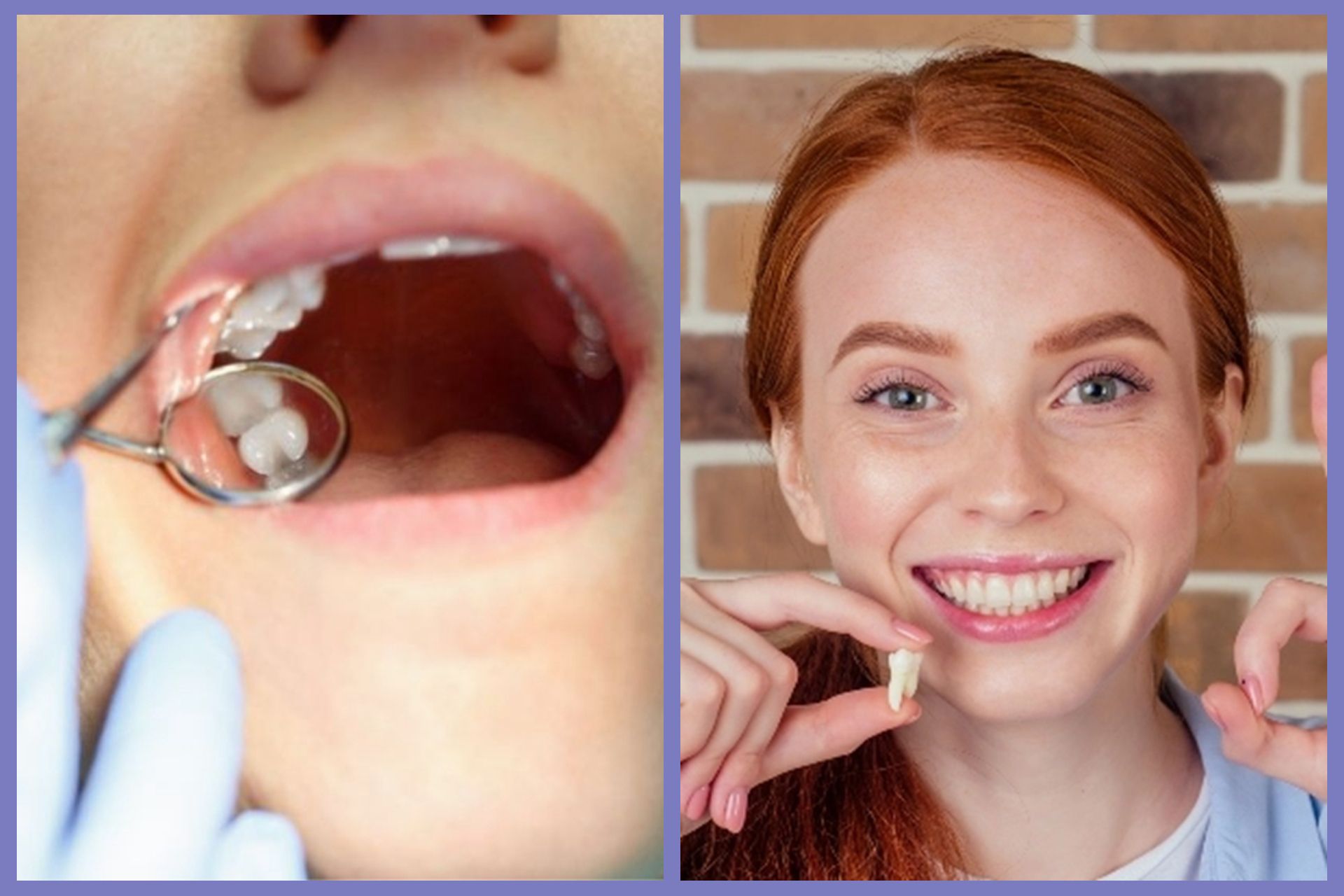
at the root, bone levels, and hidden fractures.
- Vitality testing: Gentle cold or electric tests help check if the nerve is alive.
- Cleaning: If tartar or stain is present, a professional cleaning (scaling and polishing) can remove it.
- Plan and options: You’ll get a clear explanation of the cause and a plan tailored to you.
Treatment options, in plain English
- For surface stains: Professional cleaning and polishing, plus advice on brushing technique and stain control. Whitening may be considered if stains remain on healthy enamel.
- For tartar: Scaling to remove hardened deposits. If gums are affected, deeper cleaning may be recommended. Good home care helps prevent buildup returning.
- For cavities: Small cavities are cleaned out and filled. Larger decay may need an inlay, onlay, or crown to restore strength. The goal is to stop the decay and seal the tooth.
- For a dead or infected tooth: Root canal therapy cleans the inside and seals it, often followed by a crown for protection. If the tooth cannot be saved, extraction may be discussed.
- For dark front teeth: Internal bleaching (from inside the tooth) sometimes lightens a tooth that darkened after trauma or root canal. Cosmetic options like bonding or veneers can improve color and shape when bleaching isn’t enough.
- For metal-related discoloration: Replacing old restorations or polishing stained edges can help. Your dentist will weigh wear, function, and aesthetics.
Can whitening fix a black tooth?
- Whitening gels work best on external stains on intact enamel. They won’t fix cavities, tartar, or an internally dark tooth.
- If the tooth is healthy but stained, whitening may help. If it’s decayed or dead, treating the underlying problem comes first. Whitening without addressing disease can worsen sensitivity or mask trouble.
Home care and prevention
- Brush twice daily with a fluoride toothpaste and use floss or interdental brushes once a day to disrupt plaque.
- Rinse or sip water after coffee, tea, wine, or cola. Consider using a straw for dark beverages.
- Quit smoking or vaping; both promote staining and gum disease.
- Schedule regular cleanings and checkups to catch issues early.
- Wear a mouthguard for sports and at night if you grind your teeth to prevent trauma and cracks.
- For kids, balanced fluoride use, sealants on molars, and regular cleanings reduce the chance of decay and black line stains.
Frequently asked questions
- Is a black tooth always a cavity? No. It could be stain, tartar, a dead tooth, or old fillings. An exam will clarify the cause.
- Will a black tooth fall out? Not necessarily, but untreated decay or infection increases that risk. Early care improves outcomes.
- Can brushing alone remove black stains? Light stains may lift with good brushing and whitening toothpaste. Tartar or deep stains need professional cleaning.
- Is a black tooth contagious? The color isn’t, but cavity-causing bacteria can spread. Good hygiene helps protect your household.
Bottom line
A black tooth is a signal, not a sentence. Sometimes it’s cosmetic; sometimes it points to decay or a dying nerve. The safest move is a prompt dental check. With early diagnosis and the right treatment—whether cleaning, filling, root canal, or cosmetic repair—you can protect your oral health and your smile.
















