









Tooth Bleeding: Is It Serious? A Dentist Explains – Find Out
See pink in the sink when you brush? A spot of blood on your floss? You’re not alone—and it doesn’t automatically mean something is terribly wrong. But bleeding from a tooth or your gums is your mouth’s way of saying, “Please pay attention.” As a dentist, I can tell you that most cases are manageable with better habits and timely care. The key is knowing what’s normal, what’s not, and what to do next.
Why teeth or gums bleed in the first place
- Gingivitis (early gum disease): Plaque—a sticky film of bacteria—irritates your gums, making them red, puffy, and likely to bleed when you brush or floss. This is the most common cause and is reversible with good hygiene and professional cleanings.
- Periodontitis (advanced gum disease): If gingivitis isn’t addressed, inflammation can reach the bone that supports your teeth. Bleeding becomes more frequent, gums may recede, and teeth can loosen.
- Brushing or flossing too aggressively: Hard-bristled brushes and heavy-handed scrubbing can damage gum tissue. Technique matters more than force.
- Starting to floss again: If you’ve skipped flossing, the first week back can trigger bleeding as inflamed areas adjust. This usually improves within 7–10 days of consistent, gentle flossing.
- Medications and health conditions: Blood thinners, some heart medications, and conditions like diabetes or clotting disorders can increase bleeding. Hormonal changes (pregnancy, puberty) can also make gums more reactive.
- Nutritional gaps: Deficiencies in vitamin C or vitamin K can contribute to bleeding gums.
- Irritation from dental work or appliances: Ill-fitting dentures, rough edges on a filling, or tartar buildup under the gumline can inflame tissue.
- Tooth or gum injury: A blow to the mouth, a popcorn hull stuck under the gum, or an aggressive toothpick can cause localized bleeding.
When is tooth bleeding serious?
Occasional light bleeding after you start flossing again or after a thorough professional cleaning isn’t unusual. Consider it serious—and call your dentist—if you notice:
- Bleeding that’s spontaneous (happens without brushing or flossing) or lasts more than a few minutes
- Bleeding localized to one tooth with swelling, pain, or a pimple-like bump on the gums (possible abscess)
- Deep red, dusky, or very swollen gums with bad breath and a bad taste
- Loose teeth, gum recession, or changes in your bite
- Fever, facial swelling, or difficulty swallowing
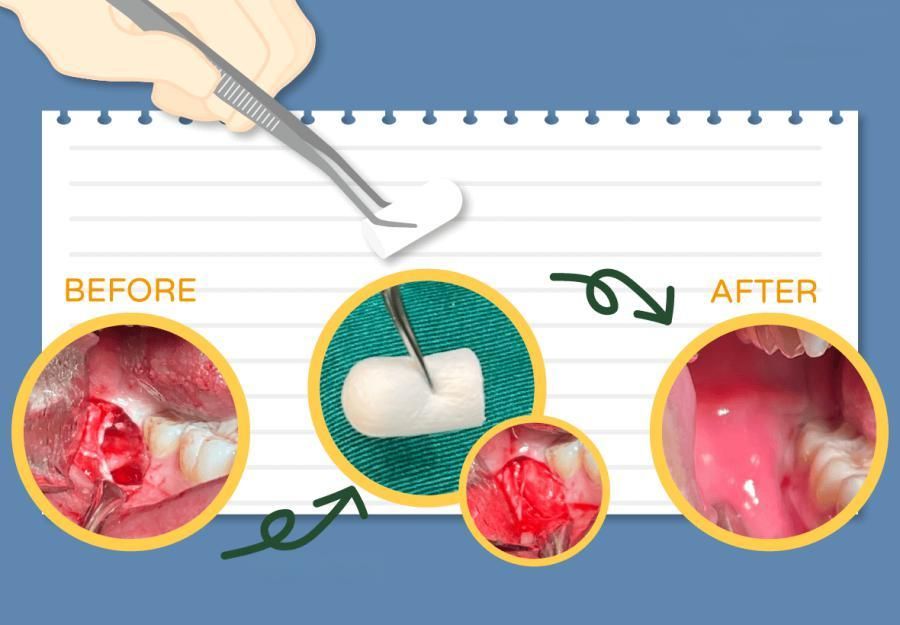
- Persistent bleeding after a tooth extraction that doesn’t slow with pressure
- You’re on blood thinners or have a bleeding disorder and see new or heavy bleeding
What to do right now if you’re bleeding
- Apply gentle pressure: Fold clean gauze or a tea bag (black tea contains tannins that help) and hold it firmly against the site for 10–15 minutes without peeking.
- Keep your head elevated: Sit up or prop yourself with pillows to minimize blood flow to the area.
- Avoid rinsing vigorously: Swishing hard can dislodge the clot. If you must rinse, do so gently with cool water or a mild saltwater solution after bleeding slows.
- Use a cool compress: Apply to the outside of your cheek to reduce swelling and soothe the area.
- Skip aspirin for pain: It can thin blood. If you need relief and it’s safe for you, consi
der acetaminophen.
- Do not smoke or vape: Nicotine impairs healing and worsens gum disease.
If bleeding is heavy, persistent, or accompanied by severe pain or swelling, contact your dentist promptly.
Habits that reduce bleeding and strengthen gum health
- Brush twice daily with a soft-bristled brush: Aim for two minutes, using small circular motions at a 45-degree angle to the gumline. Electric toothbrushes with pressure sensors can help prevent over-brushing.
- Clean between teeth daily: Floss gently, following the curve of each tooth, or use interdental brushes if you have larger spaces or braces.
- Add an alcohol-free antimicrobial rinse: Chlorhexidine (short-term, as advised by your dentist) or essential-oil mouthwashes can reduce bacterial load. Fluoride rinses support enamel.
- Eat for your gums: Vitamin C (citrus, berries, peppers), vitamin K (leafy greens), and a balanced diet support healthy tissue and clotting.
- Stay hydrated and manage dry mouth: Saliva protects gums. If you’re dry, ask your dentist about saliva substitutes or sugar-free xylitol gum.
- Replace your toothbrush every three months (or sooner if bristles fray).
- Manage health conditions: Keep diabetes under good control and review medications with your dentist.
- Avoid tobacco: Smoking is one of the strongest risk factors for gum disease.
What your dentist may do
Expect a thorough evaluation: medical history, medication review, a gentle periodontal exam to measure gum pocket depths, and X-rays if needed. If plaque and tartar are the culprits, a professional cleaning will remove buildup above the gumline. For deeper inflammation, scaling and root planing (a deeper cleaning under the gums) helps gums reattach and reduces bleeding. Your dentist may smooth rough fillings, adjust a crown or denture, or treat tooth decay that’s irritating the gum. In some cases, they may recommend localized antibiotics, improved home-care techniques, or referral to a periodontist for advanced care. If a nutritional deficiency or systemic issue is suspected, you might be advised to see your physician for blood tests.
Frequently asked questions
- Will bleeding stop if I just brush harder? No. Brushing harder can worsen bleeding. Focus on a soft brush, gentle technique, and consistency.
- Is it normal for gums to bleed when I start flossing again? Mild bleeding for a week or so can be normal. If it persists beyond 10 days, check your technique and see your dentist.
- Can mouthwash cure bleeding gums? Mouthwash helps reduce bacteria, but it can’t remove tartar or fix poor technique. It’s an add-on, not a cure.
- Are electric toothbrushes safe for bleeding gums? Yes—often safer. Choose one with a pressure sensor and soft head, and let the brush do the work.
- I’m pregnant and my gums bleed more. Is that OK? Pregnancy gingivitis is common due to hormones. Keep up meticulous hygiene and regular dental visits. See your dentist if bleeding is frequent or severe.
Bottom line
Bleeding from teeth or gums is common, but it’s not something to ignore. Occasional light bleeding can improve with better daily care; persistent, spontaneous, or painful bleeding signals a deeper issue. Listen to what your mouth is telling you—fine-tune your routine and schedule a dental checkup so a small problem doesn’t become a big one.
















