









Evaluate Oral Care: Serious or Not? What to Do Next
Wondering if that tooth twinge or bleeding gum is a big deal? You’re not alone. Oral health issues often start small and quietly, then grow into something harder (and more uncomfortable) to fix. The good news: a quick self-check and a clear plan can help you decide what’s serious and what to do next—without panic.
Quick self-check: is it serious?
Ask yourself these questions:
- Pain: Is it sharp, throbbing, waking you at night, or triggered by hot/cold/sweet?
- Duration: Has the issue lasted more than 48–72 hours or kept returning?
- Bleeding: Do your gums bleed spontaneously or every time you brush/floss?
- Swelling: Is there swelling in the gum, face, or jaw, or a pimple-like bump on the gum?
- Function: Do you have trouble chewing, biting, or opening your mouth fully?
- Breath/taste: Is there persistent bad breath or a foul taste?
- Mobility: Do any teeth feel loose (not counting baby teeth)?
- Sores: Do mouth sores persist longer than two weeks?
- Systemic signs: Do you have fever, fatigue, or swollen lymph nodes?
- Trauma: Have you had a recent hit to the mouth or a cracked/knocked-out tooth?
If you answered yes to swelling, fever, severe pain, loose teeth, or a sore lasting more than two weeks, treat it as urgent and arrange dental care promptly.
Red flags that need urgent dental attention
- Severe toothache with swelling or fever
- Facial swelling that’s spreading or causing difficulty swallowing or breathing
- A knocked-out tooth (time is critical; keep it moist in milk or in your mouth if safe)
- Abscess signs: gum boil, pus, bad taste, facial tenderness
- Uncontrolled bleeding after an injury or extraction
- Broken tooth with sharp edges and significant pain
- Jaw injury or inability to open/close your mouth normally
Important but not an emergency
- Tooth sensitivity to cold or sweets
- Occasional bleeding when flossing if you’ve just started again
- Dull, manageable aches
- Persistent bad breath or a dry mouth sensation
- Chipped tooth without pain
These still deserve timely evaluation—book the next available appointment to prevent escalation.
What to do next: a simple plan
- Document symptoms: Note when pain starts, what triggers it, and anything that helps. Take a quick photo of any sores or swelling to track changes.
- Clean gently: Brush with a soft-bristled brush twice daily and floss once daily. Don’t skip brushing because of bleeding—gentle, consistent care usually reduces inflammation.
- Rinse smart: A warm saltwater rinse (half a teaspoon of salt in a cup of warm water) can soothe irritated gums. Avoid alcohol-heavy mouthwash if your mouth feels dry or sensitive.
- Manage discomfort: Over-the-counter pain relief can help short-term; follow label directions. Don’t place aspirin directly on gums or teeth—it can burn tissue.
- Cold compress: For swelling or trauma, apply a cold pack on the outside of your cheek for 10–15 minutes at a time.
- Protect the area: If a filling falls out or a tooth chips, chew on the opposite side and avoid very hot, cold, or sugary foods until seen.
- Call your dentist: Describe your symptoms clearl
y. Ask if you should be seen urgently or scheduled for a routine visit.
What happens at the dental visit
- History and exam: Your dentist will ask about symptoms and habits, then check teeth, gums, bite, and soft tissues.
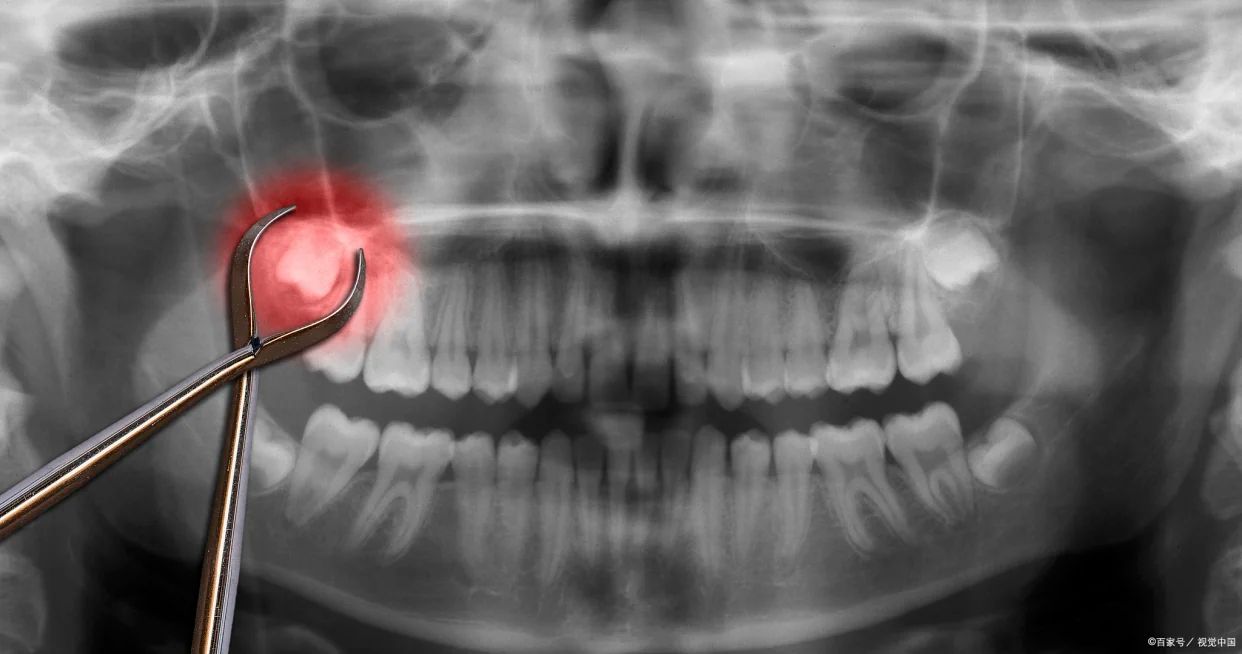
- X-rays: If needed, radiographs help find hidden decay, infections, or bone loss.
- Gum assessment: Measuring pocket depths can reveal early gum disease even if you have little pain.
- Cleaning and stabilization: You may receive professional cleaning, desensitizing treatments, or temporary repairs to relieve symptoms.
- Personalized plan: Expect tailored recommendations, which might include fillings, deep cleaning, bite guards, or referrals to specialists if necessary.
Common causes—and what they feel like
- Cavities: Sensitivity to sweets or cold, or sharp pain when chewing. Untreated, they can reach the nerve and cause throbbing pain.
- Gingivitis/periodontitis: Red, swollen, bleeding gums; bad breath; in advanced cases, gum recession and loose teeth.
- Cracked tooth: Pain on biting and release, sometimes with temperature sensitivity.
- Bruxism (clenching/grinding): Morning jaw soreness, worn edges, fractured fillings, headaches.
- Sinus-related toothache: Upper teeth feel sore with congestion; pain may change when bending over.
- Mouth ulcers/canker sores: Small, painful lesions; most heal in 1–2 weeks. Persistent or unusually large sores need evaluation.
Build a prevention routine that actually works
- Brush twice daily with a fluoride toothpaste; aim for two minutes each time.
- Clean between teeth daily using floss or interdental brushes.
- Use an alcohol-free fluoride mouthwash at a different time from brushing.
- Clean your tongue gently to reduce odor-causing bacteria.
- Snack smart: Reduce the frequency of sugary or starchy snacks and drinks; rinse with water after consuming them.
- Hydrate: Sip water throughout the day. For dry mouth, consider sugar-free gum with xylitol to stimulate saliva.
- Replace your toothbrush every 3 months or sooner if bristles splay.
- Don’t smoke or vape; tobacco and certain devices raise your risk for gum disease and oral cancer.
- Schedule regular checkups and professional cleanings as recommended.
Special notes for kids and older adults
- Kids: Watch for white, chalky spots near the gumline (early decay), complaints of tooth pain, or trouble chewing. Early sealants and fluoride guidance can help protect young teeth.
- Older adults: Gum recession and dry mouth from medications can increase root cavities. Extra fluoride and saliva support can be especially helpful.
Myth check
- “If gums bleed, stop brushing.” False. Keep brushing gently and clean between teeth; bleeding usually improves within a week or two. If it doesn’t, see a dentist.
- “No pain means no problem.” Not always. Early gum disease and cavities can be painless.
Bottom line
If something feels off in your mouth, pay attention. Small problems rarely fix themselves and often get more complicated the longer you wait. Use the self-check, take simple at-home steps to stay comfortable, and book an appointment. Early action protects your smile, your comfort, and your overall health.
















