









Tooth Filling in Shenzhen: A First-Timers Guide – Find Out
Thinking about your first tooth filling in Shenzhen? You’re not alone. Whether you’ve just felt a zing when sipping an iced latte in Nanshan or your dentist back home told you to handle a cavity after you moved, getting dental care in a new city can feel daunting. The good news: Shenzhen has modern clinics, clear treatment options, and plenty of English-friendly providers if you know what to look for. Here’s a practical, first-timer’s guide to help you feel prepared.
What a tooth filling does (and when you need one)
A filling restores part of a tooth damaged by decay, cracks, or wear. You might need one if you notice:
- Sensitivity to cold, hot, or sweet foods
- A visible dark spot or hole
- Food trapping in a specific area
- A chipped edge or rough surface
- Occasional pain when biting
Left untreated, decay can reach the nerve, requiring a root canal or a crown. Catching it early keeps the procedure simpler and your costs and discomfort lower.
Filling materials you’ll see in Shenzhen
Dentists in Shenzhen commonly offer several options. Your choice depends on cavity size, location, aesthetic goals, and dentist recommendation.
- Composite resin: Tooth-colored, bonds to enamel, great for front teeth and most back teeth. Can be done in one visit and polished to look natural.
- Amalgam: Durable silver-colored alloy. Less common in city clinics now due to aesthetics; still considered safe by major dental bodies.
- Glass ionomer: Tooth-colored, releases fluoride, often used for small lesions, root surfaces, or temporary restorations.
- Porcelain inlay/onlay: A lab-made ceramic piece bonded to the tooth. Strong and highly aesthetic for larger cavities; typically requires two visits (temporary first, then final cementation).
How to choose a dental clinic in Shenzhen
You’ll find quality care across districts like Futian, Nanshan, Luohu, and Bao’an. Consider these factors when shortlisting:
- Clinic type: Public hospital dental departments (e.g., major hospitals in Futian or Luohu) offer comprehensive care and specialists. Private dental clinics and international practices may provide shorter wait times, English-speaking staff, and digital conveniences.
- Qualifications: Look for licensed dentists with credentials displayed, postgraduate training in restorative dentistry, and membership in recognized associations. Don’t hesitate to ask about the dentist’s experience with composite fillings or inlays/onlays.
- Technology and hygiene: Signs of modern, safe care include digital X-rays, intraoral cameras, rubber dam use during fillings (a small sheet that isolates the tooth), sealed sterilization pouches, and Class B autoclave sterilizers. Reputable clinics follow strict infection control and can explain their protocols.
- Language and communication: Many clinics in Nanshan and Futian are expat-friendly. Ask whether treatment plans and consent forms are available in English.
- Convenience: Most clinics accept WeChat or Alipay, and many have WeChat mini-programs for booking. Metro access is easy in central districts; for example, clinics around Chegongmiao (Futian) or High-Tech Park (Nanshan) are close to key lines.
What to expect at your appointment
1) Check-in and consultation: Bring your passport or China ID for registration. You’ll complete a medical history form, including allergies and medications.
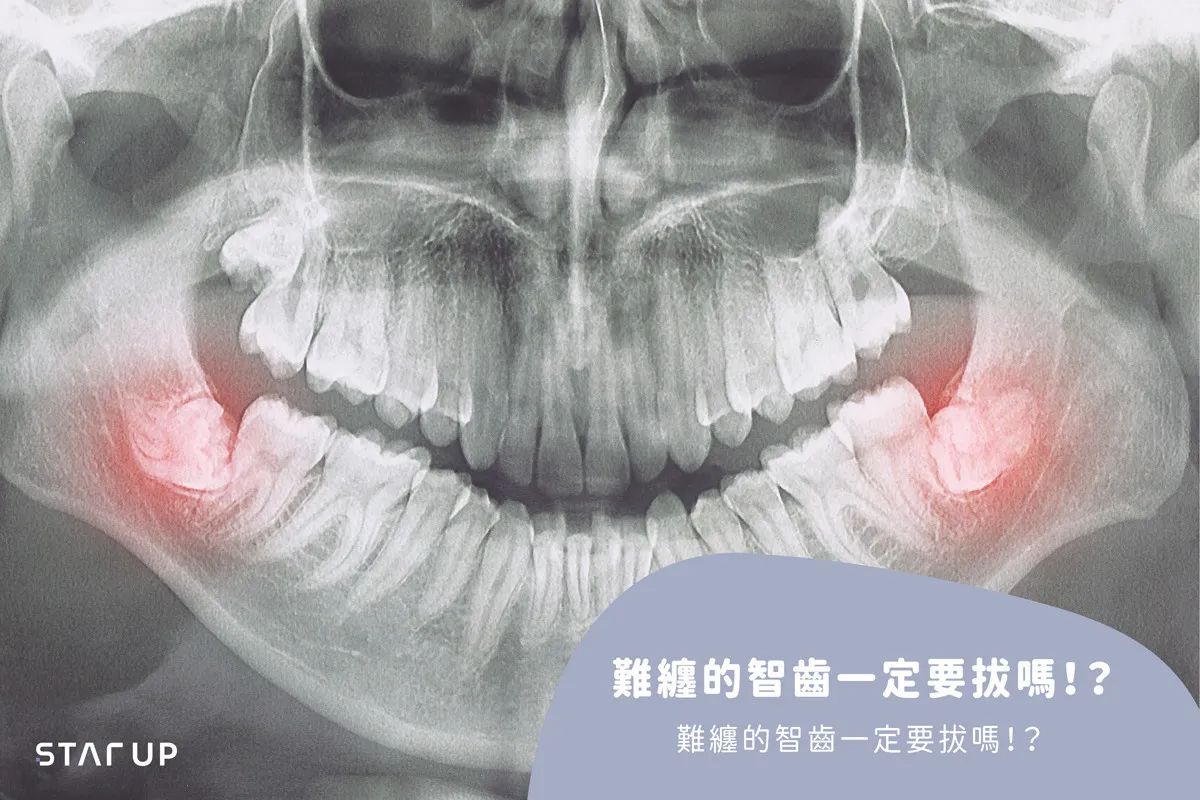
2) Exam and X-ray: The dentist examines your teeth and may take a digital X-ray (often a bitewing) to confirm the cavity’s size and depth.
3) Anesthetic: A local anesthetic numbs the area. You’ll feel pressure but not pain during the procedure.
4) Isolation: Many dentists use a rubber dam to keep the area dry and improve the quality of the restorati
on.
5) Decay removal and disinfecting: The dentist removes decay, cleans the cavity, and may place a liner to protect deeper areas.
6) Filling placement: For composites, the material is placed in layers and cured with a blue light, then shaped to match your bite. For porcelain inlays/onlays, the tooth is prepared, a digital scan or impression is taken, and a temporary is placed until the final restoration is ready.
7) Polishing and bite check: The dentist polishes the filling and adjusts your bite so your teeth meet comfortably.
The whole process for a composite filling typically takes 30–60 minutes per tooth. Inlays/onlays involve two visits, usually about one to two weeks apart, depending on the lab.
Does it hurt?
With proper anesthetic, you should feel only vibration and pressure. After the procedure, mild soreness or sensitivity to cold or biting is common and usually settles within a few days to two weeks. If you experience sharp pain that persists, a high spot on the filling, or swelling, call the clinic—sometimes a simple bite adjustment solves the issue.
Aftercare tips
- Numbness: Avoid chewing on the numb side until sensation returns to prevent biting your cheek or tongue.
- Eating: Composites set immediately, but go easy on very sticky or hard foods for 24 hours. For amalgam, avoid heavy chewing on the restored tooth for the first day.
- Hygiene: Brush gently and floss normally around the new filling. Cleanliness helps the gums settle and prolongs the restoration’s life.
- Sensitivity: Use a toothpaste for sensitive teeth for a week or two if needed. If sensitivity increases after a few days instead of improving, contact your dentist.
Longevity and follow-up
Well-placed composite fillings can last 5–10 years or more; porcelain inlays/onlays often last longer, especially for larger cavities. Their lifespan depends on bite forces, oral hygiene, and cavity size. If you clench or grind, ask about a night guard. Plan checkups every six months (or as advised), with periodic X-rays to detect hidden decay early.
Insurance and billing in Shenzhen
Many clinics support direct billing with international insurers, while others operate on a pay-then-claim model. If you’ll claim reimbursement, request a detailed invoice and medical record in English plus a fapiao (official receipt). Confirm coverage for fillings and any pre-authorization requirements with your insurer before the visit.
Alternatives your dentist might discuss
- For very small lesions: Remineralization strategies or preventive resin sealants.
- For larger defects: Porcelain inlays/onlays or a full crown if the tooth has lost significant structure.
- If decay is deep: A root canal may be needed before placing a definitive restoration.
How to book and prepare
- Search for “tooth filling Shenzhen” with your district (e.g., “Nanshan dental clinic”) and check reviews detailing language support and technology.
- Use WeChat to book; many clinics send reminders and digital forms.
- Bring prior X-rays or records if you have them.
- List medications and allergies, and mention any dental anxiety—clinics can offer extra reassurance or options like numbing gels.
Prevention goes a long way
Daily flossing, brushing twice with a fluoride toothpaste, limiting frequent sugary snacks or drinks, and professional cleanings every six months are your best defenses. Fluoride varnish and sealants are available in Shenzhen and help reduce future cavities.
Bottom line
Tooth filling in Shenzhen is straightforward when you choose a qualified dentist, understand your material options, and know what to expect on the day. With modern tech, clear communication, and a little aftercare, you’ll be back to comfortable chewing—and that hotpot in Luohu—before you know it.
















