









Tooth Filling in Hong Kong? What Shenzhen Offers – Find Out
If you live in Hong Kong and need a tooth filling, you’ve probably heard friends mention hopping across the border to Shenzhen. With modern clinics a short train ride away, the idea is appealing—but is it right for you? Here’s a clear, practical look at what a filling involves, how Hong Kong and Shenzhen compare, and how to decide where to book your appointment.
What a tooth filling actually involves
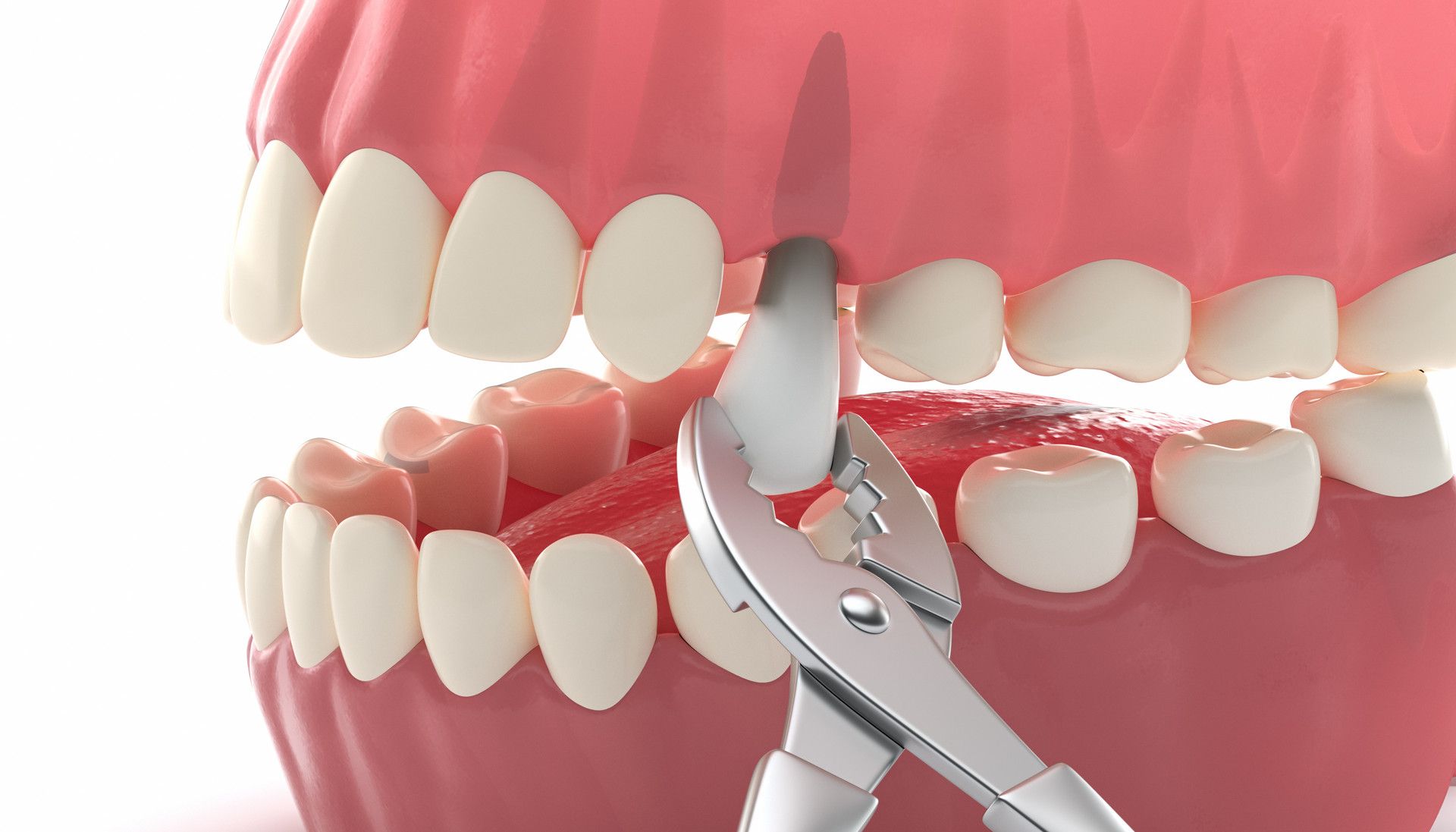
A filling is a straightforward procedure aimed at stopping decay and restoring your tooth’s structure. After an exam and X-ray, the dentist numbs the area, removes the decayed portion, disinfects the space, and restores it with a suitable material. The dentist then shapes the restoration, checks your bite, and polishes everything. Most fillings take under an hour, though deeper cavities or multiple teeth can require more time. Mild sensitivity afterward is normal and usually settles within days.
Common filling materials explained
- Composite resin: Tooth-colored, bonds to enamel, great for front teeth and most back teeth. It’s versatile and conservative, often requiring less drilling.
- Glass ionomer: Releases fluoride, helpful for areas near the gumline or in patients with high decay risk. Typically used for smaller restorations.
- Ceramic or porcelain inlays/onlays: Lab-made, highly aesthetic and durable, often chosen for larger cavities or when a stronger restoration is preferred.
- Amalgam: Durable metal alloy. Used less frequently now in urban clinics but still an option in some cases where moisture control is challenging.
The Hong Kong experience
Hong Kong’s dental clinics are known for consistent standards, clear communication, and thorough record-keeping. Many dentists trained locally and abroad, and English, Cantonese, and Mandarin are commonly spoken. You’ll find clinics equipped with digital X-rays and magnification, along with detailed treatment plans and transparent explanations. Scheduling can be tight during peak hours, but the continuity of care and convenient follow-ups make staying local very attractive, especially for patients with complex cases or those who prefer easy access to their dentist.
The Shenzhen experience
Shenzhen’s dental scene has grown rapidly, with modern facilities that cater to both local and international patients. You’ll see clinics offering digital scanners, rubber dam isolation for cleaner, more controlled fillings, and CAD/CAM options for ceramic restorations. Many dentists have international training backgrounds, and bilingual staff are increasingly common, particularly in central districts. Appointment availability can be flexible, and same-day treatment is often feasible if you plan ahead. For Hong Kong residents, the short travel time—paired with a streamlined, tech-forward environment—can be a strong draw.
Key comparisons to help you decide
- Convenience and travel: From Hong Kong, trains connect directly to Futian and Luohu. If you’re planning a single filling and can spare half a day, Shenzhen is accessible. For multiple visits or more complex treatment, staying local may be simpler.
- Scheduling and wait times: Both cities offer online booking and prompt appointments, but Shenzhen clinics often accommodate last-minute requests and extended hours.
- Communication: You’ll find multilingual teams in both places. If you prefer English-only communication, check ahead—most central clinics in either city can accommodate this.
- Technology and techniques: Expect digital diagnostics in both. If you’re interested in
ceramic inlays/onlays or specific materials, ask the clinic about their workflows and recommendations.
- Insurance and claims: Hong Kong clinics commonly provide itemized invoices suitable for straightforward claims. Shenzhen clinics can also issue detailed receipts; just verify what your insurer requires and keep all paperwork.
- Aftercare and follow-ups: For simple fillings, follow-up needs are minimal. If you anticipate adjustments or a possible root canal (for very deep decay), consider how easy it will be to return.
A quick checklist for choosing the right clinic
- Qualifications: Confirm dentist credentials and training background. If available, browse clinic profiles and patient reviews.
- Diagnostics: Ask whether they’ll take X-rays and perform vitality tests to rule out deeper issues.
- Material options: Request explanations of composite vs. ceramic vs. glass ionomer, and why one suits your tooth best.
- Isolation and sterilization: Rubber dam use and clear sterilization protocols are signs of high clinical standards.
- Bite adjustment and follow-up: Ensure they’ll fine-tune your bite and provide guidance for sensitivity or adjustments.
- Documentation: Get a written treatment plan and a final invoice with procedure codes for your records or insurance.
Situations where cross-border care works well
- A routine cavity detected early, with minimal sensitivity.
- Replacing an old, worn filling where the tooth structure is still strong.
- Cosmetic upgrades for visible front teeth, especially with composite artistry.
- Time-efficient care if you can secure a same-day slot and prefer a quick turnaround.
Situations where staying in Hong Kong may be better
- Larger cavities close to the nerve, where a root canal might become necessary.
- Cracked teeth or bite issues that need multiple visits and careful monitoring.
- Pediatric cases, special needs, or patients who require sedation or additional support.
- Personal preference for long-term continuity with the same dentist.
Practical tips for a seamless Shenzhen visit
- Pre-book an appointment and share any recent X-rays to avoid duplications.
- Choose a clinic near major stations like Futian or Luohu to reduce transit time.
- Carry necessary travel documents and budget extra time for border formalities.
- Confirm language support and how post-treatment questions are handled.
- Keep digital copies of your treatment notes and images for future reference.
- Request itemized receipts and clarify payment methods before your visit.
Aftercare basics you shouldn’t skip
- Avoid very hard or sticky foods on the treated side for the first day.
- Expect mild sensitivity to temperature; it usually improves within a week.
- If your bite feels off or the tooth aches when chewing, call the clinic for a quick adjustment.
- Maintain daily flossing and use a fluoride toothpaste to protect the restoration.
- Schedule regular checkups; early detection means smaller, simpler fillings.
The bottom line
Both Hong Kong and Shenzhen offer high-quality tooth fillings with modern techniques and materials. Your best choice comes down to convenience, communication, and follow-up needs. If your case is straightforward and you value a fast, tech-forward experience, Shenzhen can be a practical option. If you prefer seamless continuity and easy access for adjustments, Hong Kong may make more sense. Either way, prioritize a clinic that explains your options clearly, demonstrates robust infection control, and provides thorough documentation—so your smile is protected long after the appointment ends.
















