



Braces Pricing: Hong Kong vs Shenzhen Compared 2026
Thinking about getting braces and comparing Hong Kong with Shenzhen in 2026? You’re not alone. With the Greater Bay Area more connected than ever, many people weigh the convenience and perceived quality of Hong Kong against the broader clinic choices and competitive fees in Shenzhen. While we won’t quote specific prices, this guide breaks down what actually drives the cost in both cities, how 2026 trends are reshaping the market, and how to choose the right option for your smile and budget.
What really shapes braces pricing
Regardless of location, several common factors influence how much you’ll pay:
- Type of treatment: Traditional metal braces typically cost less than ceramic, self-ligating, lingual (behind the teeth), and clear aligners. Complex bite corrections and prolonged treatment plans add to the total.
- Orthodontist experience: Board-certified orthodontists with advanced training or a strong track record in complex cases generally charge more.
- Clinic setting: Premium clinics in prime districts with English-speaking staff and extended hours may carry higher fees than smaller neighborhood practices.
- Diagnostics and tech: Digital scans, 3D imaging, and in-house 3D printing can improve comfort and precision, but may be reflected in the overall fee.
- Visit frequency and duration: Longer treatments and more frequent adjustments add chair time and costs.
- Aftercare and retainers: Post-treatment retainers, refinements, and follow-up visits are part of the full journey and should be included in your budgeting.
Hong Kong snapshot: What to expect in 2026
In Hong Kong, you’ll find a dense concentration of well-established orthodontic clinics, including options tailored to international families and professionals. The city’s regulatory framework is stringent, and orthodontists often carry clear credentials you can verify through local professional bodies. Typical patterns to expect:
- Generally higher overall fees compared with many mainland cities, especially in central business districts.
- A strong emphasis on transparent, all-in packages that include diagnostics, active treatment, and retainers, though specifics vary by provider.
- Good access to English or bilingual teams, convenient scheduling, and consistent aftercare—important if you want fewer variables and a service-first experience.
- Insurance and employer dental benefits may reimburse a portion, though pre-approval and documentation are key.
Shenzhen snapshot: What to expect in 2026
Shenzhen’s dental scene has grown rapidly, with a wide spectrum of clinics from major hospital-affiliated centers to boutique private practices. You’ll often see:
- A broader range of fee tiers, from budget-friendly to premium, allowing more choices for different budgets.
- Strong adoption of digital dentistry, including intraoral scanning, aligner workflows, and 3D printing—features that can narrow the experience gap with Hong Kong’s top-tier clinics.
- Variability in service model and aftercare inclusions, so it’s essential to clarify what’s included in your quote, the adjustment schedule, and retainer policies.
- More clinics catering to cross-border patients, with bilingual support increasingly common.
How 2026 trends are reshaping the gap
- Clear aligners are now mainstream: Many clinics on both sides offer multiple aligner systems. Expect aligner treatment to be priced at a premium over basic metal braces, with differences tied to complexity and refinements.
- AI-assisted planning is rising: Digital treatment simulations and AI-driven tooth-movement planning are more widespread. Some clinics bundle this into overall fees; others itemize.
- In-house production: As more clinics adopt in-house 3D printin
g for aligners or custom appliances, some pass on efficiencies to patients, potentially narrowing differences between cities.
- Exchange rates and payment flexibility: Currency fluctuations can shrink or widen the perceived savings of crossing the border. More clinics now offer installment plans or third-party financing, making budgeting smoother.
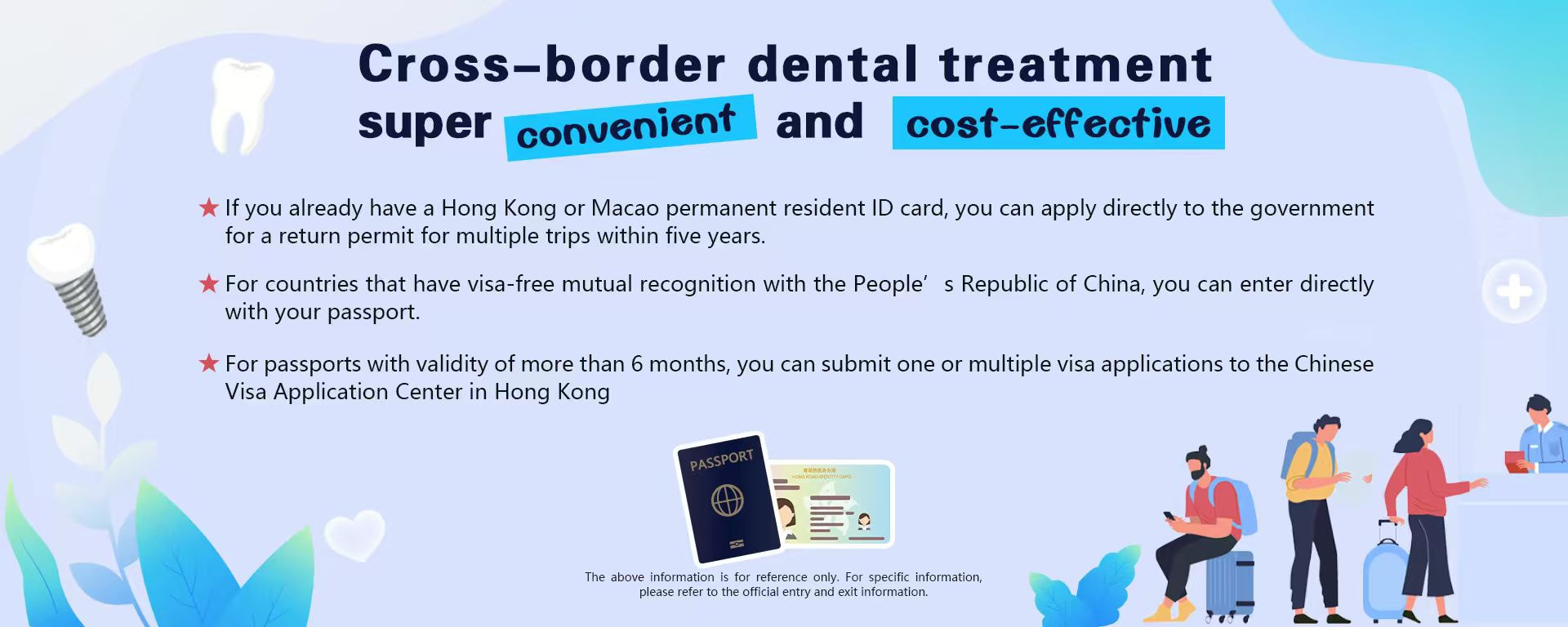
- Cross-border convenience: With transit links streamlined, it’s easier to attend appointments in either city, but you still need to factor in time and travel costs for monthly or bimonthly visits.
Hidden costs to consider
- Initial records and scans if you switch clinics mid-treatment.
- Refinement trays for aligners, if not included.
- Lost or broken appliances and emergency visits.
- Retainer replacement and long-term retention checkups.
- Travel time, transport, and any time off work or school.
- Currency conversion and card fees for cross-border payments.
Quality, safety, and peace of mind
- Credentials and experience: Verify orthodontist qualifications and how often they handle cases similar to yours. Ask to see before-and-after cases for your specific issue.
- Treatment plan clarity: A detailed plan outlining expected duration, appliance type, visit cadence, and what’s included prevents surprises later.
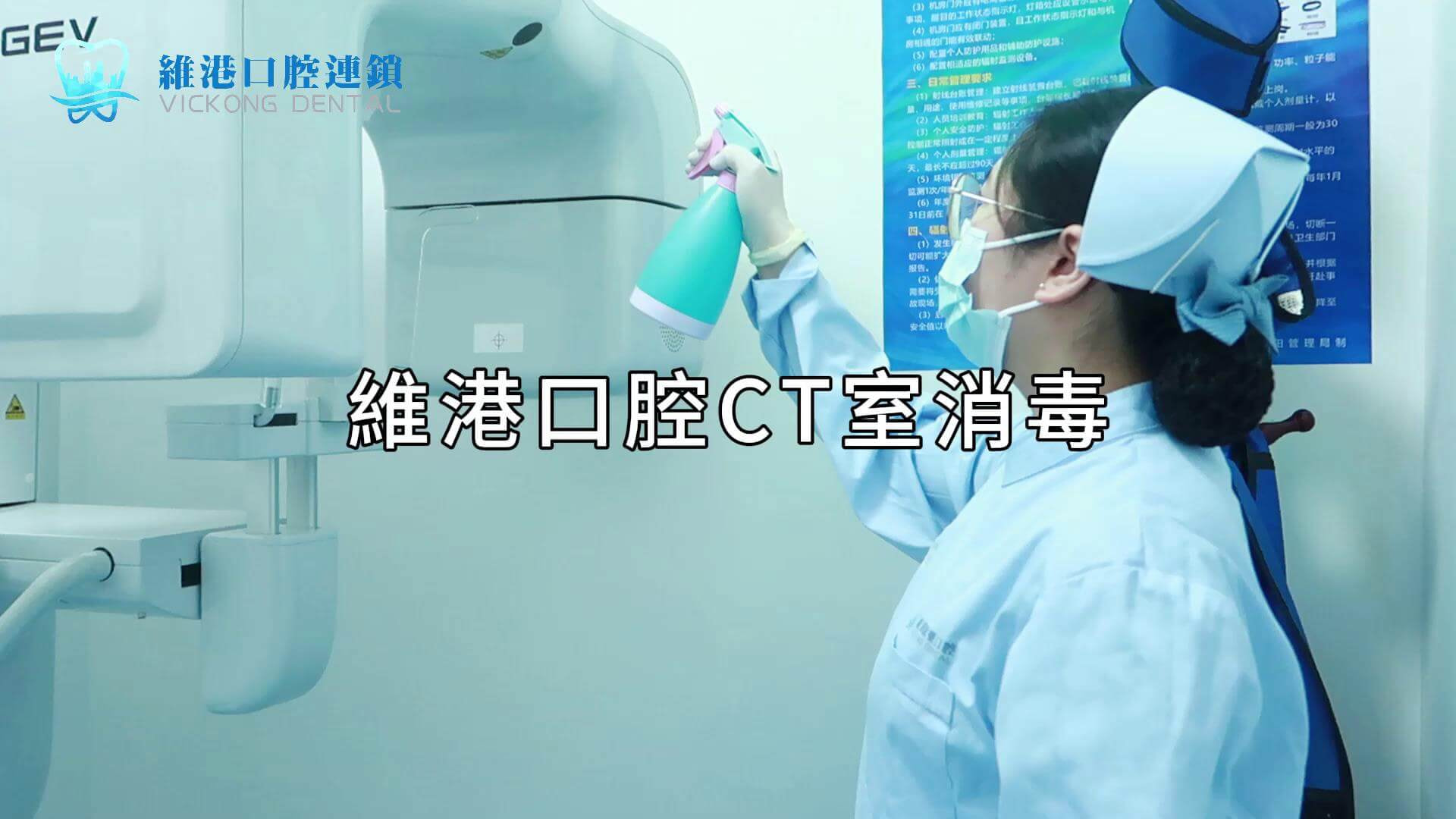
- Infection control and materials: Confirm sterilization protocols and whether materials and devices are certified by recognized regulatory bodies.
- Aftercare commitment: Retention is critical. Make sure your clinic has a clear, long-term policy on retainer checks and potential refinements.
Insurance and payment
- Hong Kong: Some private plans partially cover orthodontics, often with lifetime caps and pre-approval requirements. Documentation is crucial.
- Shenzhen: Coverage may depend on your mainland insurance plan and the clinic’s billing capabilities. If you’re reimbursing across borders, check what documents your insurer needs and whether they accept bilingual invoices.
- Payment plans: Many clinics in both cities now offer staged payments tied to treatment milestones. Clarify interest, fees, and what happens if your case ends earlier or later than expected.
Who might prefer Hong Kong vs Shenzhen
- Consider Hong Kong if you value consistent bilingual service, a familiar regulatory environment, and minimal administrative friction, especially if you have local insurance or a tight schedule that rewards proximity and punctuality.
- Consider Shenzhen if you want a wider range of fee levels and clinic styles, are comfortable traveling for appointments, and can invest time upfront to evaluate providers and inclusions carefully.
A simple way to compare quotes
- Ask for a written, itemized plan that lists diagnostics, appliances, expected duration, visit frequency, emergency care, refinements, retainers, and retention follow-ups.
- Confirm the orthodontist’s direct involvement versus delegation to assistants.
- Clarify total visit count and typical appointment length so you can calculate the real time commitment.
- Check warranty or policies around broken brackets, lost aligners, or treatment delays.
- Read recent patient reviews that mention communication, punctuality, and aftercare—not just the final smile.
Bottom line
By 2026, both Hong Kong and Shenzhen offer high-quality orthodontic options, with Hong Kong generally leaning toward premium service consistency and Shenzhen offering broader choice and potential savings. The smartest move is to compare like-for-like treatment plans, weigh travel and time costs, and prioritize an orthodontist whose expertise aligns with your case. Your best value isn’t just the lowest fee—it’s the right plan, delivered well, with reliable aftercare that keeps your smile aligned long after the brackets or aligners come off.