









Gum Bleeding at the Root: Symptoms, Causes & Treatment 2026
If you’ve ever brushed your teeth and noticed pink in the sink, you’re not alone. But when bleeding seems to start right at the base of a tooth—where the gum meets the root—it can be worrying. Understanding what’s normal, what’s not, and what to do next can save you pain, money, and tooth structure in the long run. Here’s a clear, up-to-date guide for 2026 on gum bleeding at the root: the symptoms to watch, the causes behind it, and the most effective treatments available today.
What “bleeding at the root” really means
Bleeding at the root usually refers to bleeding around the gumline where the tooth’s root is covered by gum tissue. Sometimes, the gum may have receded, exposing part of the root; other times, the bleeding comes from a deep pocket between the tooth and gum. In both cases, the underlying trigger is often inflammation caused by plaque—a sticky film of bacteria—hardening into tartar and irritating the tissue. But not all bleeding is the same, and the source matters.
Common symptoms to watch
- Bleeding when brushing, flossing, or biting into food
- Sore or tender gums around one or more teeth
- Swollen, red, or puffy gum edges, or gums that look shiny
- Gum recession (longer-looking teeth, root sensitivity to cold)
- Persistent bad breath or a bad taste
- Looseness, shifting, or spacing between teeth
- A pimple-like bump on the gum (possible sign of an abscess)
- Pain on biting or persistent throbbing near one tooth
Top causes of gum bleeding at the root
- Gingivitis: Early gum disease from plaque buildup. Gums bleed easily but bone is not yet affected.
- Periodontitis: Advanced gum disease. Inflammation extends deeper, creating pockets around roots, with bone loss and possible tooth mobility.
- Aggressive brushing or hard-bristled toothbrushes: Microtrauma to the gumline can trigger bleeding and recession.
- Improper flossing or lack of interdental cleaning: Bacterial load rises between teeth where brushing can’t reach.
- Misaligned or crowded teeth and ill-fitting crowns or bridges: Trap plaque, making thorough cleaning difficult.
- Hormonal shifts: Pregnancy, puberty, or menopause can increase gum sensitivity and bleeding.
- Systemic factors: Diabetes, vitamin C or K deficiencies, and blood-thinning medications can amplify bleeding.
- Smoking or vaping: Reduces blood flow and masks inflammation early, but worsens gum breakdown over time.
- Root problems: Cracked teeth, root caries (decay), or periapical infections can inflame nearby gum tissue.
- Dry mouth and mouth breathing: Less saliva means less natural buffering and more plaque accumulation.
When bleeding is urgent
Seek dental care promptly if you notice:
- Sudden, severe bleeding that doesn’t stop with gentle pressure
- Visible pus, facial swelling, fever, or a bad taste that won’t go away
- Pain on biting combined with localized swelling or a gum pimple
- Loose teeth or rapidly receding gums
How dentists diagnose the cause
A comprehensive exam typically includes:
- Probing the gum pockets: Measuring depth and bleeding points to identify gingivitis versus periodontitis.
- Plaque and tartar mapping: Locating buildup along the gumline and root surfaces.
- X-rays: Checking bone levels, root structure, and potential abscesses.
- Bite and alignment assessment: Identifying trauma from occlusion.
- Medical and medication review: Uncovering systemic contributors.
- In 2026 updates: Many clinics now offer chairside saliva testing for periodontal pathogens, and some coordinate with primary care for HbA1c screening when signs suggest undiagnosed diabetes.
Treatment options that work
Professional cleaning and debridement
- Prophylaxis (pro cleaning): For gingivitis without deep pockets.
- Scaling and root planing
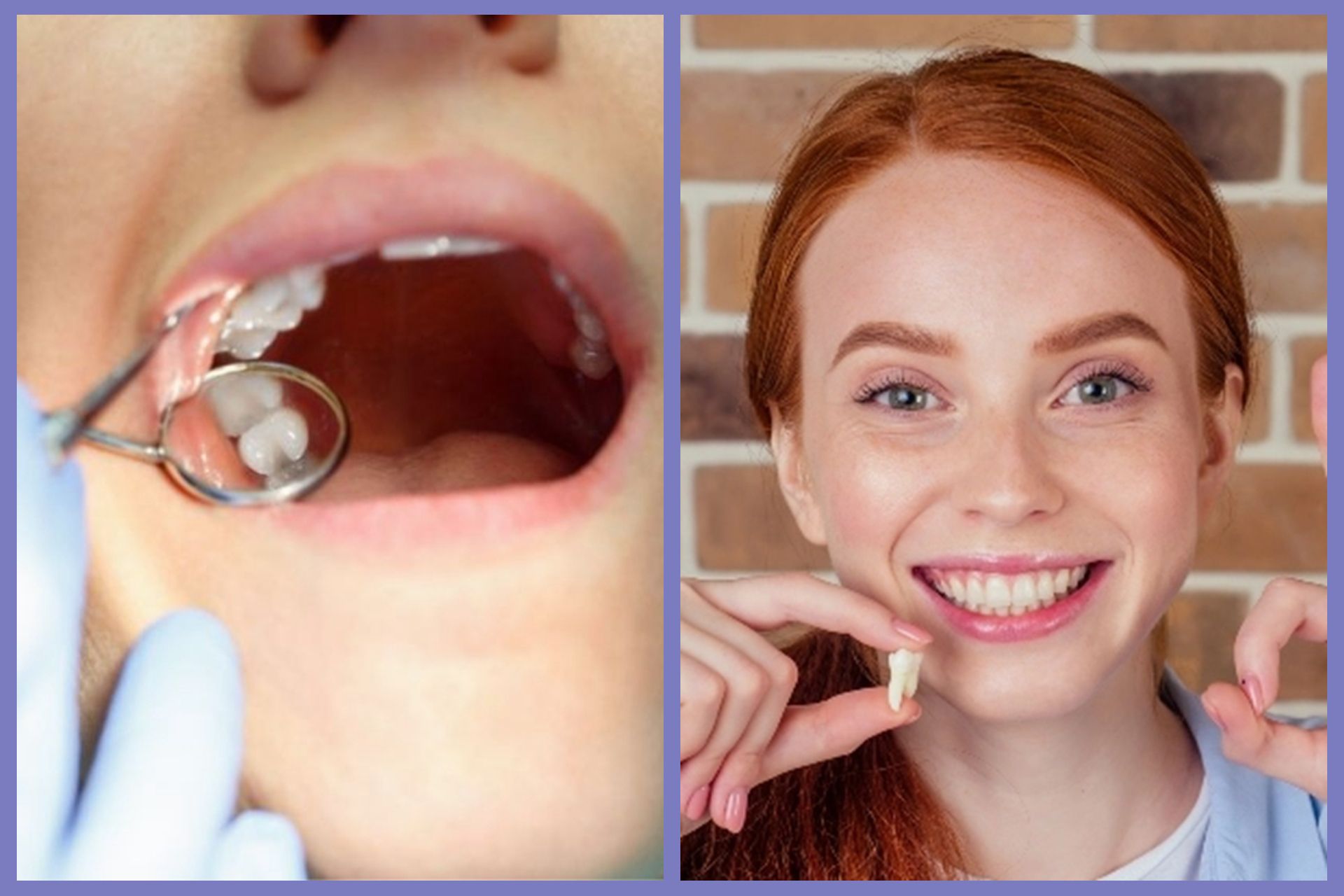
(deep cleaning): Removes tartar below the gumline and smooths root surfaces so gums can reattach.
- Localized antimicrobial therapies: Gel or chips placed in deep pockets may reduce bacterial load in selected cases.
Gum inflammation control
- Short-term antimicrobial rinses: Your dentist may recommend a limited course to calm inflammation.
- Anti-inflammatory protocols: Targeted home care plans emphasizing interdental cleaning and gentle brushing techniques.
Addressing contributing factors
- Adjusting or replacing ill-fitting restorations.
- Orthodontic or occlusal adjustments to reduce trauma.
- Night guards for clenching or grinding.
- Managing dry mouth, switching to alcohol-free rinses, and saliva-boosting strategies.
Advanced periodontal care
- Guided tissue regeneration or grafting for severe recession or bone loss, when indicated.
- Laser-assisted periodontal therapy: Some practices use lasers as adjuncts to debridement; ask your provider about evidence-based benefits in your case.
- For root-related infections: Root canal therapy or, if needed, surgical intervention.
At-home care: what to start today
- Brush smarter, not harder: Use a soft-bristled brush. Angle it 45 degrees toward the gumline and use small, gentle strokes (the Modified Bass technique).
- Clean between teeth daily: Floss with a C-shaped motion hugging each tooth, or try interdental brushes or a water flosser if floss is difficult to use.
- Rinse wisely: Saltwater rinses can soothe irritated gums. Avoid harsh, alcohol-heavy rinses if you have dry mouth.
- Fluoride and desensitizing care: Fluoride toothpaste helps resist root decay; desensitizing pastes can ease cold sensitivity on exposed roots.
- Diet and habits: Cut back on frequent sugary snacks, hydrate well, and avoid tobacco. Vitamin-rich foods (especially vitamin C) support gum health.
- Replace your toothbrush every 3 months or sooner if bristles splay.
Prevention and maintenance
- Book regular cleanings: If you’ve had periodontitis, your dentist may recommend maintenance every 3–4 months to keep bacteria in check.
- Re-evaluation: After deep cleaning, pockets are usually reassessed in 6–12 weeks to track healing.
- Consistent technique: The best results come from daily, gentle, thorough plaque control and routine professional oversight.
What’s new in 2026
- Personalized periodontal plans: Saliva microbiome insights help tailor treatments to your bacterial profile.
- Smarter home devices: New-generation water flossers and electric brushes now feature pressure sensors and AI-guided feedback for safer gumline cleaning.
- Integrated care pathways: Dentists increasingly coordinate with physicians for systemic risk management, especially for diabetes and cardiovascular health.
- Probiotic and peptide research: Early studies explore adjuncts to rebalance oral bacteria or modulate inflammation; your provider can advise if any are appropriate for you.
Helpful myths and facts
- Myth: “If gums bleed, stop flossing.” Fact: Bleeding is a sign to improve gentle cleaning, not avoid it. With proper technique, bleeding typically decreases in a week or two.
- Myth: “Hard brushing cleans better.” Fact: Pressure damages gums. Let the bristles and technique do the work.
- Myth: “Mouthwash fixes gum disease.” Fact: Rinses can help, but mechanical plaque removal is essential.
Bottom line
Gum bleeding at the root is your body’s early warning system. Most cases stem from plaque-driven inflammation and respond well to a combination of professional care and consistent, gentle home hygiene. Don’t ignore persistent bleeding, especially if you notice swelling, pain, or gum recession. With today’s diagnostics and tailored treatments, you can control inflammation, protect the roots, and keep your smile healthy well beyond 2026.
















