









Tooth Extraction in Shenzhen: A Beginner’s Guide
If you’re considering tooth extraction in Shenzhen, you’re not alone. Whether it’s a stubborn wisdom tooth, severe decay, or a cracked molar, extractions are a common part of modern dental care. The good news: Shenzhen’s dental scene is well-developed, with clinics that combine advanced technology, strict hygiene protocols, and increasingly bilingual teams. Here’s a clear, friendly guide to help you navigate the process from choosing a clinic to smooth recovery.
When is a tooth extraction needed?
Dentists usually prioritize saving teeth, but extraction can be the safest option when:
- A tooth is severely decayed or fractured beyond repair
- Gum disease has loosened a tooth significantly
- An impacted wisdom tooth is causing pain, infections, or crowding
- Orthodontic treatment requires space
- A tooth has severe infection not responsive to other treatments
Choosing the right dental clinic in Shenzhen
You’ll find two main options: public hospital stomatology departments and private dental clinics. Both can provide safe, professional extractions, but they differ in pace and convenience.
- Public hospitals: Reliable standards, broad services, and access to specialist oral surgeons. Expect busier waiting rooms and more structured appointment systems.
- Private clinics: Often easier scheduling, shorter wait times, and a more personalized experience. Many are accustomed to serving international patients, especially in expat-friendly areas like Shekou or central business districts.
What to look for:
- Credentials and experience: Seek clinics with licensed dentists who perform oral surgery regularly. Ask about experience with wisdom tooth removal if that’s your case.
- Imaging capabilities: Ideally, the clinic offers panoramic X-rays and, when needed, CBCT 3D scans for complex roots or impacted teeth.
- Sterilization and hygiene: Look for single-use materials, sealed instrument pouches, and staff following strict infection control protocols.
- Communication: If you prefer English, confirm that consultation and post-op instructions can be provided in English. Clear communication reduces anxiety and helps your recovery.
- Location and access: Proximity to a metro station and easy appointment booking can make life simpler, especially for follow-up visits.
Insurance and payments
Coverage varies widely. Some international insurance plans include dental benefits; others require direct pay with reimbursement. Public insurance arrangements may differ for foreign residents. Always confirm coverage, necessary documents, and billing procedures with the clinic and your insurer before treatment.
What to expect at your appointment
1) Consultation and imaging: The dentist will review your medical history, allergies, medications, and take X-rays. For impacted wisdom teeth, a 3D scan may be recommended to map the nerve and surrounding structures.
2) Treatment plan discussion: You’ll learn whether your case is a simple extraction (looser, erupted tooth) or a surgical one (impacted or broken tooth). The dentist will explain anesthesia options, steps involved, risks, and aftercare.
3) Anesthesia and comfort: Local anesthesia is standard and typically very effective. Some clinics offer additional sedation options for anxious patients, but availability varies—discuss beforehand.
4) The proc
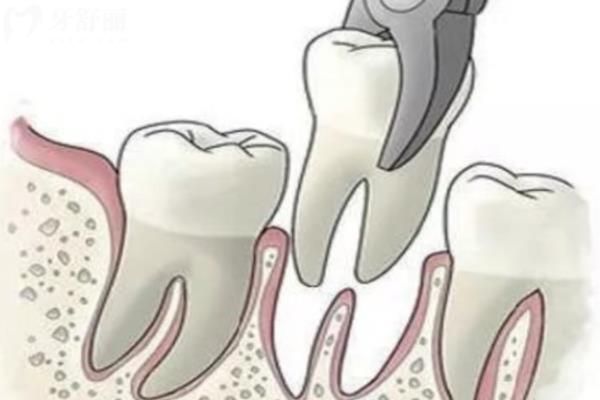
edure: Simple extractions can be quick; surgical ones may require a small incision and possibly sectioning the tooth for safe removal. You’ll feel pressure but not sharp pain under proper anesthesia.
5) Immediate aftercare: You’ll bite on gauze to control bleeding and receive instructions for the first 24–72 hours.
Tips before your extraction
- Eat a light meal unless told otherwise, and stay hydrated.
- Arrange transport; avoid driving yourself if sedation is used.
- Bring identification and any imaging you already have.
- Wear comfortable clothing and plan a light schedule afterward.
Recovery and aftercare essentials
Much of your success comes from what you do after leaving the chair.
- Control bleeding: Bite gently on gauze for the time advised. A small amount of oozing is normal.
- Protect the clot: For the first 24 hours, avoid vigorous rinsing, spitting, drinking through straws, and smoking—these can dislodge the clot and cause dry socket.
- Manage swelling and discomfort: Use a cold compress on the cheek in intervals during the first day. Take prescribed or approved over-the-counter pain medication as directed.
- Eat soft, cool foods: Yogurt, smoothies (no straws), scrambled eggs, mashed potatoes, and soups at lukewarm temperatures are good starters.
- Oral hygiene: Keep the rest of your mouth clean. After 24 hours, gently rinse with warm saltwater several times a day, especially after meals. Brush carefully, avoiding the extraction site initially.
- Activity: Take it easy for 24–48 hours. Strenuous exercise can increase bleeding.
- Stitches and follow-up: If you have sutures, you may need a short follow-up visit for removal, unless dissolvable stitches were used.
Watch for warning signs
Call your dentist promptly if you experience:
- Severe pain that worsens after day two (possible dry socket)
- Persistent heavy bleeding
- Fever, increasing facial swelling, or foul taste/odor
- Numbness that doesn’t improve after the anesthetic should have worn off
Wisdom tooth removal in Shenzhen
Wisdom tooth extraction is common and often involves a surgical approach, especially for impactions. Expect more swelling and jaw stiffness than with a simple extraction; these usually peak around day two or three. Planning the procedure outside of major work or travel deadlines can make recovery less stressful. A CBCT scan helps the dentist evaluate proximity to nerves and sinuses and plan a safer surgery.
Anxiety and pain management
Dental anxiety is normal. Ask your dentist about:
- Numbing gel before injections
- Calming breathing techniques and breaks during the procedure
- Music or a podcast to distract you
- Sedation options available at the clinic
Getting around Shenzhen for appointments
The metro network is extensive and reliable; choosing a clinic near a station can simplify multiple visits. Aim to arrive a little early for paperwork and to settle in. If language is a concern, consider bringing a friend who speaks Chinese or confirm that the clinic offers full English support.
Final takeaway
Tooth extraction in Shenzhen can be straightforward, safe, and surprisingly comfortable when you choose a qualified clinic and follow smart aftercare. Do your research, ask clear questions, and set aside time to rest. With good planning and the right dental team, you’ll be on your way to a smooth recovery and a healthier mouth.
















