









Tooth Necrosis: When to See a Dentist – How to Save
If a tooth suddenly turns dark, aches for no clear reason, or starts to smell bad, you might be dealing with tooth necrosis—sometimes called a “dead tooth.” It sounds alarming, and it can be. But with timely care, many necrotic teeth can be treated and kept in your mouth for the long term. This guide explains what tooth necrosis is, how to spot it, when to see a dentist, and smart ways to save both your tooth and your budget.
What is tooth necrosis?
Tooth necrosis means the soft tissue inside your tooth (the dental pulp) has lost its blood supply and died. The pulp contains nerves and vessels that help the tooth sense temperature and pressure. When it dies, bacteria can thrive inside the tooth, turning it into a source of infection that can spread to the surrounding bone and gums.
Common causes include:
- Untreated tooth decay that penetrates to the pulp
- Trauma (a blow to the face, a fall, or even repeated microtrauma from clenching/grinding)
- Cracks or fractures that allow bacteria to reach the pulp
- Deep restorations or failed old fillings
- Advanced gum disease that affects the tooth’s supporting structures
Signs and symptoms you shouldn’t ignore
Not every dead tooth hurts. In fact, some necrotic teeth are surprisingly quiet. Still, there are clues to watch for:
- Persistent toothache, especially throbbing pain or pain that wakes you at night
- Sensitivity that lingers after hot or cold exposure
- A tooth that looks gray, brown, or dark compared to neighbors
- Swollen gums, a pimple-like bump on the gum (fistula), or a bad taste
- Tenderness when chewing or biting
- Bad breath that doesn’t improve with brushing and flossing
- Facial swelling, fever, or a feeling of pressure in the jaw
When to see a dentist
Prompt evaluation matters. The longer the tooth stays infected, the more damage occurs—and the fewer options you’ll have to save it.
Go immediately (same day or as soon as possible) if you notice:
- Facial swelling, fever, swollen lymph nodes, or difficulty swallowing
- Severe throbbing pain that’s spreading to the jaw or ear
- A tooth that suffered a recent injury (even if it stopped hurting)
- A draining sore or gum boil over a tooth
Schedule a prompt visit (within a few days) if you notice:
- A tooth that’s discolored or suddenly sensitive
- Pain when biting or chewing that doesn’t resolve
- Bad taste or persistent bad breath localized to one area
- A cracked tooth or old filling that’s failing
How dentists diagnose tooth necrosis
Expect a careful exam that may include:
- Cold or electric pulp testing to see if the nerve responds
- Percussion and bite tests to locate tenderness
- X-rays to look for decay, bone changes, or abscesses
- In some cases, 3D imaging (CBCT) for complex roots or hidden infections
These tools help confirm whether the pulp is dead, whether there’s an abscess, and what treatment will best save your tooth.
Can a dead tooth be saved?
Often, yes. The main goal is to remove infection, disinfect the inside of the tooth, and seal it to prevent reinfection.
Common treatments include:
- Root canal therapy: The infected pulp is cleaned out, the canals are shaped and disinfected, and the space is filled and sealed. Many teeth will need a crown afterward to restore strength.
- Revascularization (in select younger patients): A procedure aimed at encouraging new tissue growth inside immature teeth.
- Apicoectomy: A minor su
rgery to remove the tip of the root and surrounding infected tissue if infection persists after a root canal.
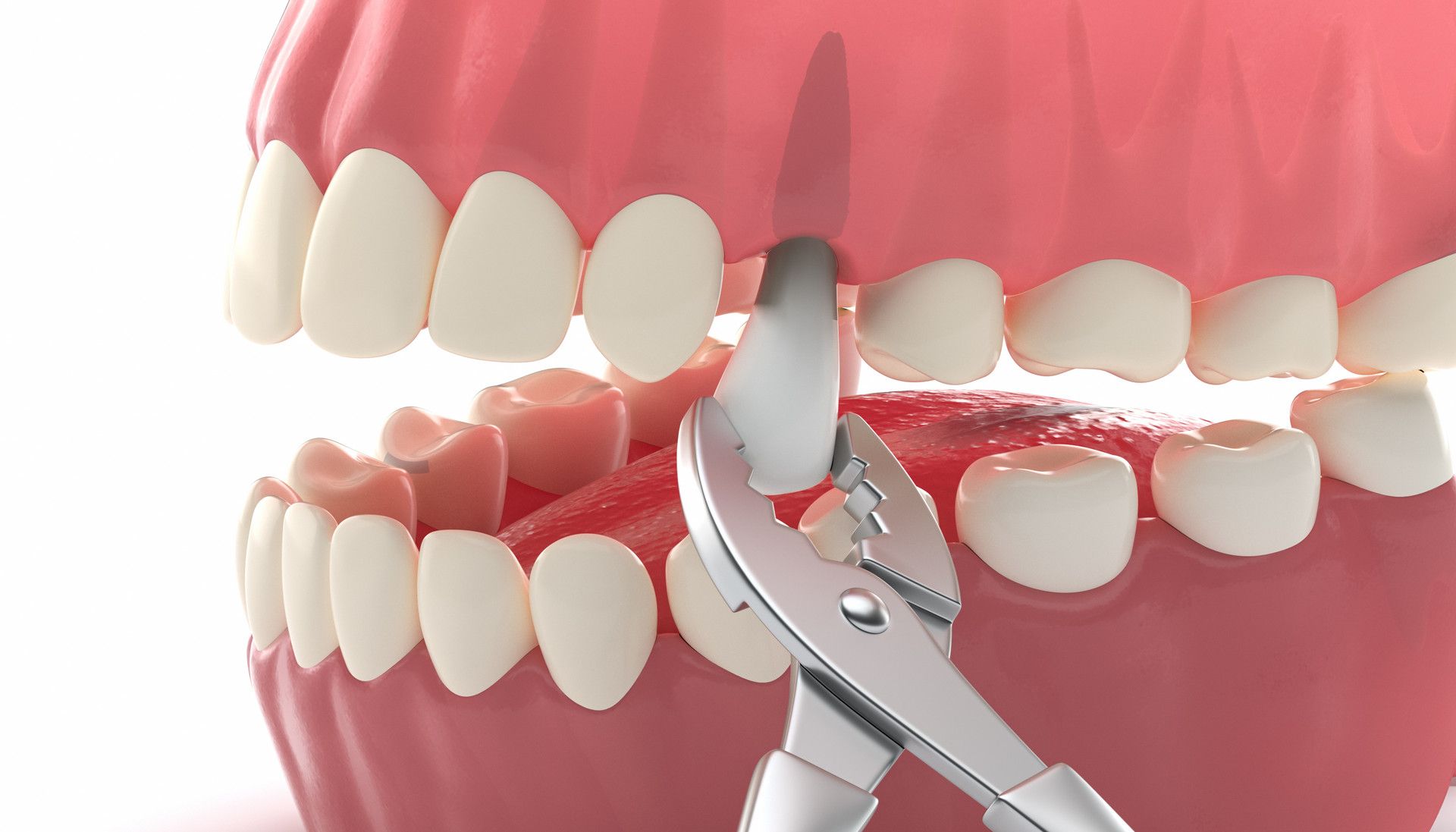
- Extraction: If the tooth is too damaged to restore, removal may be the safest option. Your dentist can discuss replacement options like bridges or implants.
The earlier you act, the more likely root canal therapy can save the tooth and avoid complications.
How to save your tooth and your wallet
Acting quickly saves more than your smile. Infection control and timely treatment prevent costlier problems later. Here are practical strategies:
- Don’t wait: Early evaluation often means less extensive treatment. A lingering toothache rarely “fixes itself.”
- Manage pain safely: Over-the-counter pain relievers can help short-term; follow the label and check with your healthcare provider if you have medical conditions. Avoid placing aspirin directly on your gums—it can cause burns.
- Keep it clean: Gently brush, floss, and rinse with a non-alcohol mouthwash. If there’s a gum pimple draining, don’t squeeze it; leave drainage alone and see a dentist.
- Skip risky home hacks: Avoid DIY drilling, essential oils inside the tooth, or online antibiotics. These can make matters worse and mask serious infection.
- Ask about conservative options: In some cases, your dentist may stage treatment—first relieving pain and infection, then finishing restoration later.
- Consider different providers: Endodontists (root canal specialists) handle complex cases efficiently. General dentists may offer treatment for less complex cases. Getting a second opinion is reasonable.
- Explore support programs: Dental schools, community clinics, and nonprofit programs may offer care at reduced fees. Payment plans are common; ask your provider about options.
- Use benefits wisely: If you have dental benefits, learn what’s covered before treatment. Pre-authorization can help avoid surprises.
- Prevent the next one: Preventive care is the best savings plan—fluoride toothpaste, daily flossing, limiting sugary snacks, wearing a mouthguard if you grind or play sports, and regular checkups.
What to expect after treatment
After a root canal or related procedure, mild soreness is common for a few days. Use recommended pain relief and avoid chewing on the treated side until your dentist places the final restoration. Contact your dentist if you notice:
- Increasing pain after the first 48 hours
- Swelling, fever, or a new bad taste
- A loose temporary filling or broken temporary crown
Frequently asked questions
- Will a dead tooth fall out on its own? Sometimes, but waiting invites infection and bone loss. It’s safer to treat or remove it under professional care.
- Is a dead tooth contagious? You won’t “catch” it from someone else, but the bacteria inside can spread to nearby tissues and even cause systemic complications if ignored.
- Can I whiten a dead tooth? External whitening rarely fixes intrinsic discoloration. Your dentist may recommend internal bleaching after root canal or a veneer/crown for aesthetics.
Bottom line
Tooth necrosis is a serious but solvable problem. Recognize the signs, act quickly, and work with your dentist to choose a treatment that preserves your health and your smile. Quick, evidence-based care not only increases the chance of saving the tooth—it also minimizes time, stress, and future costs. If something feels off with a tooth today, don’t wait for tomorrow. Your best chance to save starts with that first call.
















