









Dental Care in Shenzhen: Spend Less Than in Hong Kong 2026
Thinking about crossing the border for your next dental visit? In 2026, dental care in Shenzhen continues to attract Hong Kong residents and international visitors who want high-quality treatment without stretching their budget. While costs vary by clinic and treatment plan, many patients find that Shenzhen delivers solid value, modern facilities, and convenient access—often at a lower overall expense than comparable services in Hong Kong. Here’s what to know before you book.
Why Shenzhen Makes Sense in 2026
Shenzhen’s health sector has evolved rapidly over the past decade, with new clinics clustered around well-connected districts such as Futian, Nanshan, Luohu, and Qianhai. For cross-border patients, this means short travel times from multiple checkpoints and easy transit connections by metro or high-speed rail. The city’s reputation for tech-forward industries spill over into healthcare, too, where digital X-rays, 3D imaging, and CAD/CAM crown systems are widely adopted in reputable practices.
Quality and Standards You Can Expect
Top dental clinics in Shenzhen prioritize sterilization, evidence-based treatment planning, and transparent communication. Many dentists have international training or experience and serve bilingual communities, so you can expect English-speaking staff in clinics that cater to cross-border patients. It’s common to see modern diagnostic tools like panoramic X-rays, intraoral scanners, and CBCT imaging in mid- to high-tier clinics, which help with accurate diagnoses and less invasive procedures.
When evaluating a clinic, look for credentials such as membership in recognized dental associations, professional licenses displayed on-site, and clear consent forms. If you prefer a specific approach—such as minimally invasive dentistry or digital orthodontics—ask about the clinic’s tools and protocols during your initial consultation.
Common Treatments and Who They’re For
Whether you’re scheduling a routine cleaning or a more complex procedure, Shenzhen offers a broad spectrum of care:
- Preventive and general dentistry: checkups, cleanings, fillings, gum health maintenance, fluoride treatments.
- Cosmetic dentistry: whitening, veneers, reshaping, and aesthetic bonding.
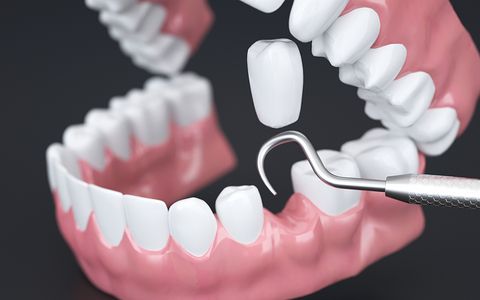
- Restorative and prosthodontics: crowns, bridges, inlays and onlays, dentures.
- Endodontics: root canal therapy with modern rotary systems and magnification tools.
- Orthodontics: fixed braces and clear aligners, often supported by digital treatment planning.
- Periodontics and oral surgery: gum therapy, implant placement, and surgical extractions.
If you’re planning multi-step care such as implants or orthodontics, talk through the timeline and follow-up schedule so you can coordinate visits around work or travel. Many clinics offer phased treatment plans and bundled follow-ups to minimize border crossings.
Comparing Shenzhen and Hong Kong
From a patient’s perspective, the biggest differences are often cost structure, appointment availability, and clinic environment. Shenzhen’s competitive market can translate into shorter wait times and more appointment slots, especially for routine care. Clinics sometimes offer extended evening or weekend hours, which is helpful for cross-border commuters.
On the financial side, Shenzhen clinics typically charge less overall than Hong Kong counterparts for comparable services, though exact differences vary by clinic tier, materials, and complexity. Without quoting specific figures, patients commonly report cost-efficiency on multi-visit treatments like root canals, crowns, and aligners. That said, price should never be your only criterion; pri
oritize safety, credentials, and outcomes.
How to Choose a Dentist
Start with a shortlist based on location, language support, and treatment focus. Then, go deeper:
- Review qualifications and years in practice, especially for complex procedures like implants or orthodontics.
- Read recent patient reviews from reputable platforms and look for consistent themes about communication, punctuality, and aftercare.
- Ask about sterilization workflows, materials used (for example, ceramic types for crowns), and lab partnerships if you need prosthetics.
- Request a written treatment plan that outlines steps, materials, and expected timelines. Transparency is a strong sign of professionalism.
Avoid clinics that rush consultations, pressure you into add-ons you don’t understand, or refuse to share your records on request. A good dentist welcomes questions and explains options clearly.
Insurance, Payments, and Documentation
Check with your insurer ahead of time to see whether cross-border dental care is reimbursable and what documentation is required. Many Shenzhen clinics provide detailed invoices, treatment notes, and X-rays upon request, which helps with claims. Payment methods are flexible in most urban clinics, with support for contactless payments and major international cards. If you prefer a particular payment method, confirm in advance.
Travel Logistics and Timing
Plan buffer time around your appointment—especially for procedures that may run long, such as root canals or surgical extractions. Bring identification documents needed for border crossing, and consider scheduling morning appointments to avoid evening rush hours at checkpoints. If your treatment involves sedation or surgery, arrange for someone to accompany you and avoid driving or strenuous activity afterward.
For multi-visit care, cluster appointments when possible. Clinics experienced with cross-border patients often help coordinate lab work and fittings to reduce the number of trips. If you’re doing orthodontics, ask about remote check-ins for progress reviews and whether the clinic can ship or prepare aligner sets in advance.
Safety and Aftercare
A well-run clinic will provide aftercare instructions tailored to your procedure—covering pain management, hygiene tips, and warning signs to watch for. Keep your dentist’s contact information handy and clarify how to reach the clinic after hours. If complications arise while you’re back in Hong Kong, ask in advance how emergency follow-ups will be handled and whether partner clinics are available.
For preventive care, stick to a consistent schedule: cleanings every six months, annual X-rays if recommended, and routine examinations. The best way to save money and time is to catch issues early—before they become complex and costly.
What’s New in 2026
Two trends stand out this year. First, digital dentistry is becoming standard in mid-range clinics—think intraoral scanners for faster, gag-free impressions and same-day crowns in certain cases. Second, more practices are offering hybrid care models, using video consults for pre-visit discussions and post-op checks. That flexibility can reduce travel while keeping care personal and precise.
Final Thoughts
If you’re looking to manage dental costs without sacrificing quality, Shenzhen is a compelling option in 2026. With thoughtful planning, careful clinic selection, and clear communication, you can access modern, patient-centered care that fits your schedule and budget. The key is to prioritize safety and transparency, choose providers with strong credentials, and treat your oral health as an ongoing partnership—whether you live in Hong Kong, Shenzhen, or move between both.
















