



Dental Implants in Shenzhen: Key Facts Before You Book – Save
Thinking about getting dental implants in Shenzhen? You’re not alone. The city’s tech-forward healthcare scene, modern clinics, and convenient transport links make it a compelling place to restore your smile. But a smart decision starts with clear expectations. Here’s a practical, no-nonsense guide to help you plan, compare clinics, reduce risks, and save time and money—without cutting corners.
Who’s a good candidate
Dental implants work best when your gums are healthy, your oral hygiene is solid, and there’s enough jawbone to anchor the implant. Smokers, people with uncontrolled diabetes, and those with untreated gum disease face higher risks. A proper evaluation should include a clinical exam and 3D imaging (CBCT) to assess bone quality and nerve positions. If your dentist doesn’t recommend imaging before committing to surgery, that’s a red flag.
Expect a realistic timeline
Implants aren’t a one-and-done in a weekend. Most cases follow this general roadmap:
- Consultation and planning: Your dentist reviews medical history, takes scans, and outlines a plan, including whether bone grafting or a sinus lift is needed.
- Surgery: The implant post is placed under local anesthesia. Many patients return to normal routines within a day or two, but you’ll still need to follow post-op instructions closely.
- Healing: Osseointegration, where the bone bonds to the implant, typically takes several months. Rushing this phase can jeopardize long-term success.
- Final crown: Once the implant is stable, an abutment and crown are fitted for function and aesthetics.
Some clinics offer immediate-load options (a temporary tooth on the same day), but these are only suitable for select cases with specific bone and bite conditions. Be wary of anyone promising a permanent crown immediately for every patient.
Technology and materials that matter
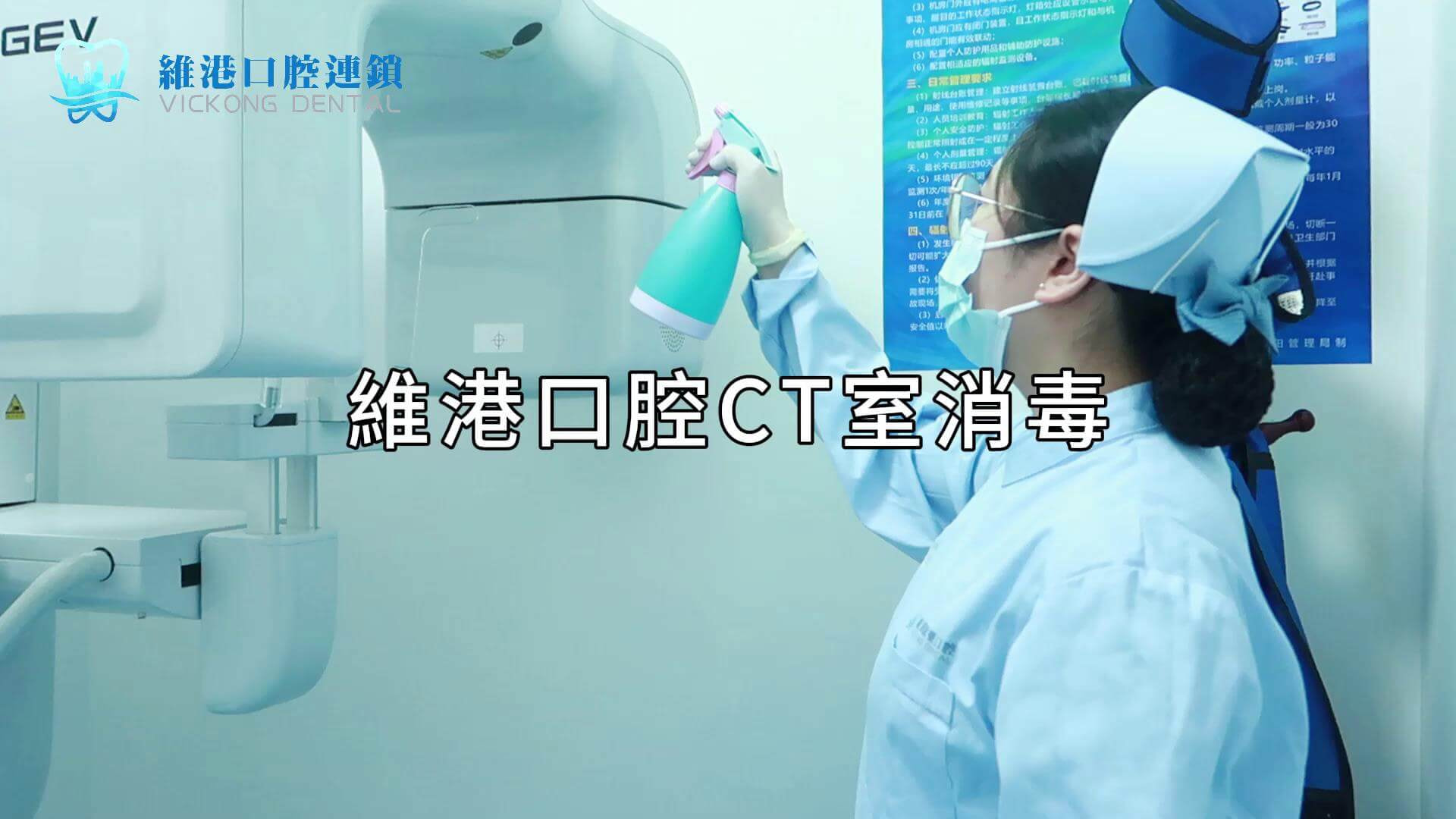
Shenzhen clinics often feature digital planning, guided surgery, and in-house milling for restorations. Ask which implant systems they use and why. Titanium implants remain the trusted standard due to biocompatibility and strength; zirconia is an alternative for metal-sensitive patients or certain aesthetic demands. Ensure components are traceable and from reputable manufacturers. Sterilization protocols, surgical room standards, and infection control should be clearly explained.
Choosing the right clinic in Shenzhen
You’ll find many clinics clustered in areas like Futian, Nanshan, Shekou, and Luohu, with several catering to international patients. Focus on:
- Qualifications: Implant-specific training, continuing education, and case volume.
- Imaging and planning: On-site CBCT and evidence-based treatment plans.
- Laboratory partnerships: Who makes your crown and where. Consistency matters.
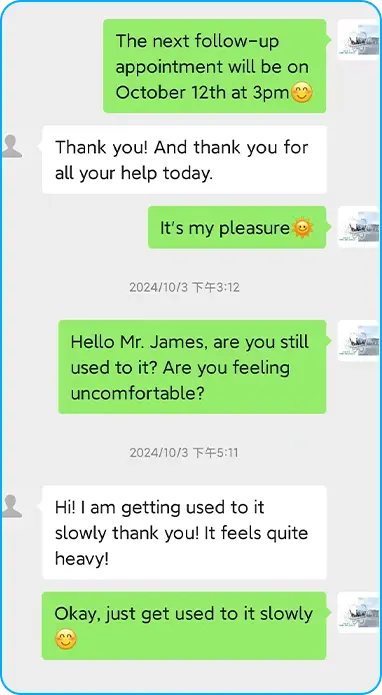
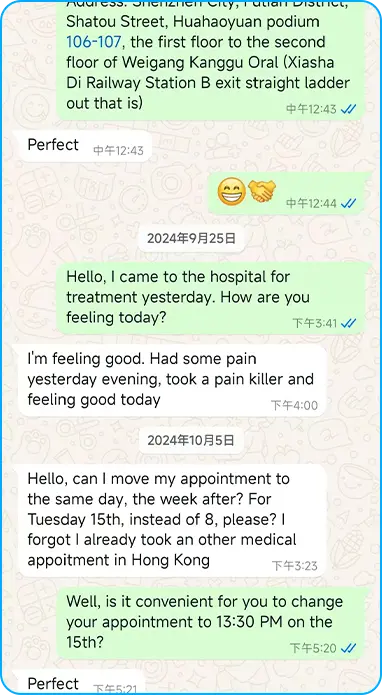
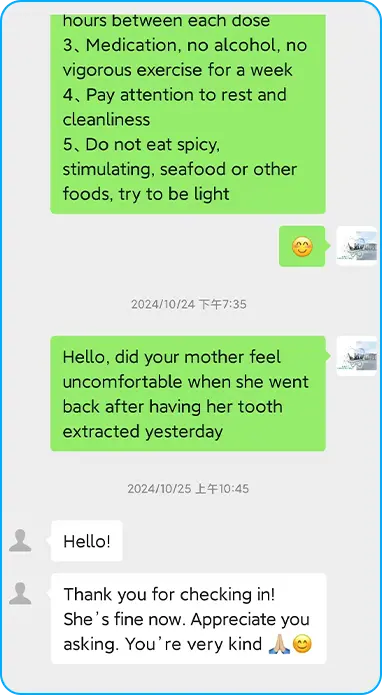
- Aftercare: Scheduled follow-ups, hygiene maintenance plans, and what happens if complications arise.
- Warranty policies: Written terms for implant and crown, and how they handle repairs or failures.
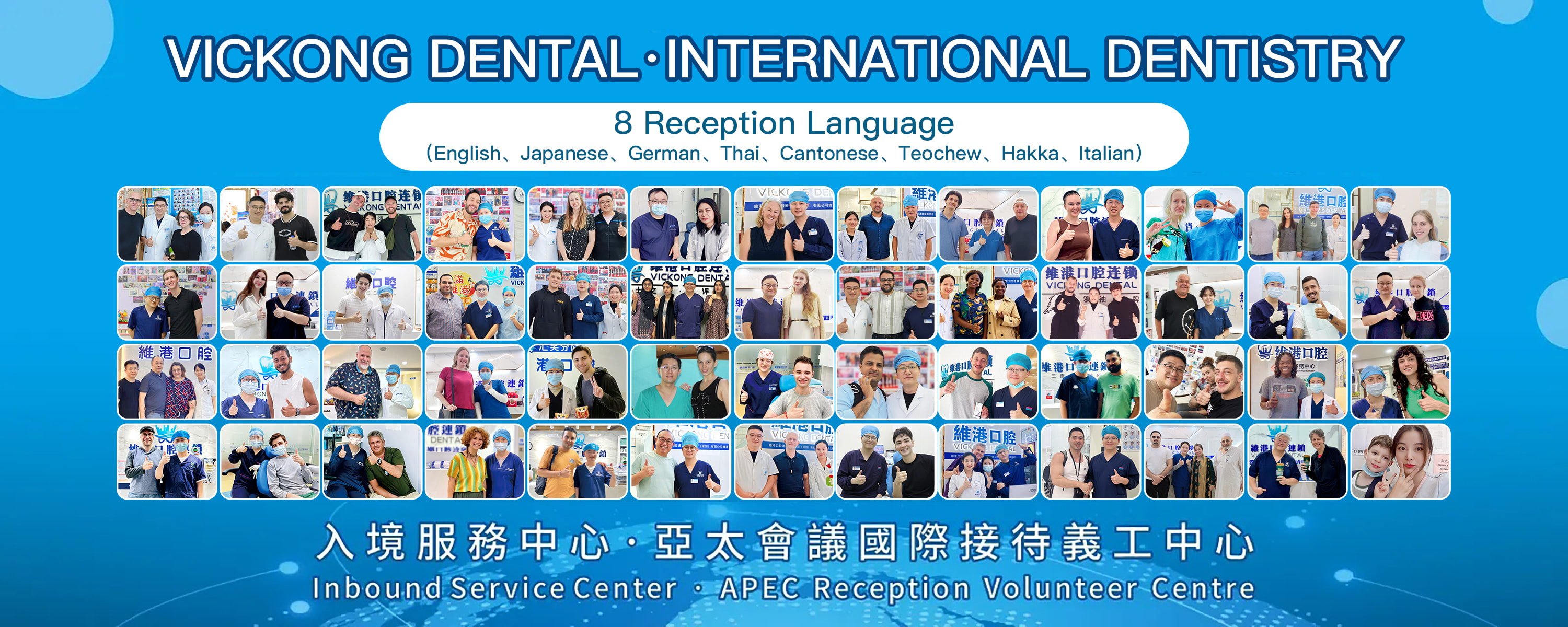
- Communication: English-speaking staff and clear consent forms. If there’s a language gap, ask about translator support.
Questions to ask before you book
- How many implant cases like mine have you completed, and can I see similar before-and-after examples?
- What’s included in the total plan: scans, temporary tooth, abutment, crown, bone grafting, medications, and follow-ups?
- What is the projected timeline, and what factors could delay it?
- What pain management and sedation options are available?
- How do you m
anage complications, and is there after-hours support?
Budgeting without surprises
Avoid “headline deals” that exclude essentials. A fair quote should detail all likely components: consultation, CBCT, implant placement, provisional solutions if needed, abutment, final crown, any grafting, and follow-up visits. Ask what happens if additional procedures are required and how costs are handled. Remember to factor in travel, accommodation, time off work, and potential return visits.
Smart ways to save while protecting quality
- Seek comprehensive quotes to avoid hidden extras later.
- Compare two or three clinics and ask for a written treatment plan with itemized inclusions.
- Consider shoulder-season travel when clinics may have better availability, reducing scheduling costs like extra nights.
- Invest in preventive care at home before you go—treat gum disease and cavities to avoid delays and added procedures on arrival.
- Don’t chase the absolute cheapest option. Redoing failed work is far more expensive than doing it right once.
Travel logistics and timing
Shenzhen is well-connected by metro and close to Hong Kong, with crossings such as Futian and Shenzhen Bay. Plan your schedule to allow:
- One visit for consultation and scans. Some clinics offer virtual pre-consults, but in-person exams are still essential.
- A surgery visit with 1–2 days’ buffer before long flights, in case of swelling or adjustments.
- A final visit for the abutment and crown after healing. Coordinate dates carefully and confirm the lab’s turnaround times.
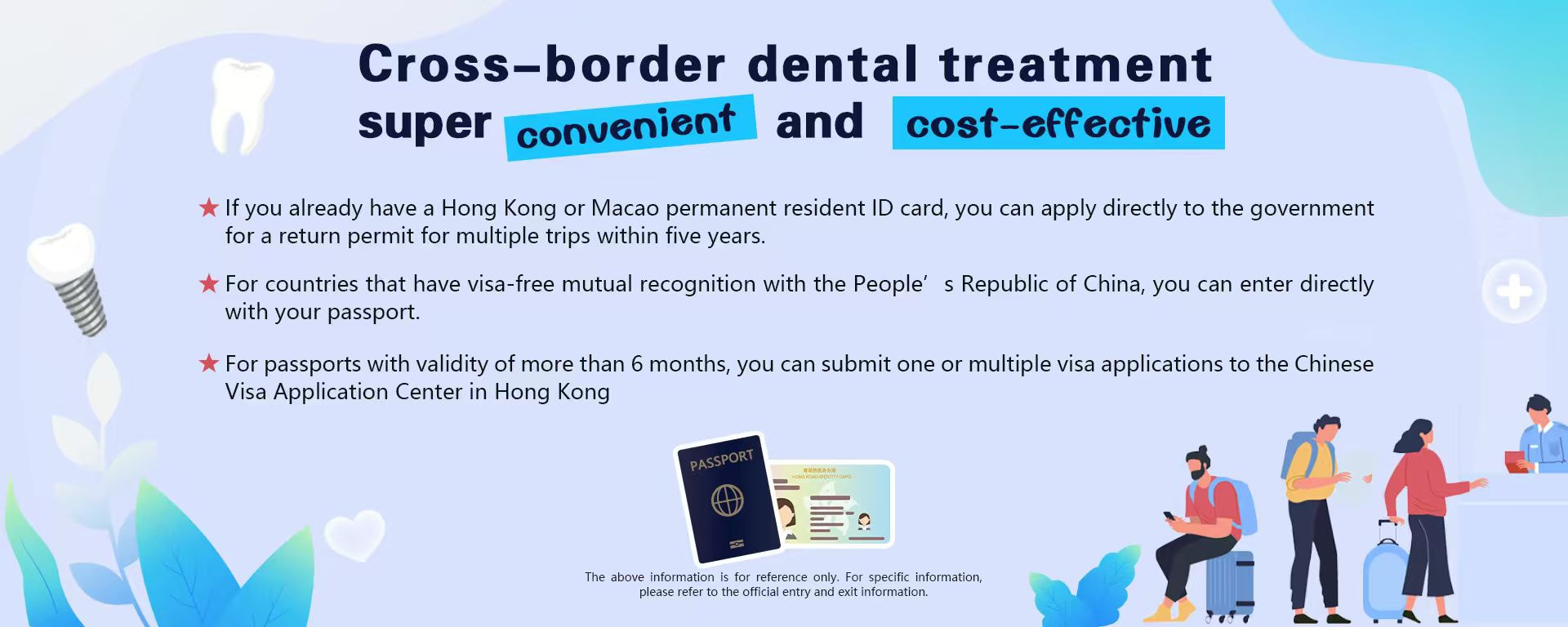
Check visa requirements for Mainland China in advance, as policies vary by nationality. For payment, many clinics accept international cards; Alipay and WeChat Pay are widespread, but verify options beforehand.
What recovery feels like
Most patients experience mild to moderate swelling and discomfort for a few days, managed with prescribed medications and cold compresses. Follow your dentist’s advice on soft foods, avoiding smoking, gentle rinsing, and keeping the surgical site clean. Strenuous exercise is typically postponed for several days. If you notice persistent pain, unusual bleeding, or signs of infection, contact the clinic immediately.
Risks and how to reduce them
All surgery carries risks: infection, nerve irritation, sinus complications, or implant failure. Choosing a qualified surgeon, following hygiene protocols, and respecting the healing timeline significantly reduce these risks. Success rates are high when cases are well-planned and patients adhere to aftercare.
Red flags to watch for
- No 3D imaging or unclear diagnosis
- Pressure to commit immediately
- Vague explanations about materials and brands
- No written treatment plan or warranty
- Promises of instant results without discussing limitations
Life with your implant
Once restored, your implant should feel like a natural tooth. Maintain excellent oral hygiene—brush twice daily, clean around the implant with floss or interdental brushes, and keep up with professional cleanings and check-ups. Ask your dentist to show you specific techniques to prevent peri-implantitis, a gum condition that can jeopardize implants.
Final take
Shenzhen offers a strong mix of modern dental tech, experienced clinicians, and convenient access—but the best results come from careful planning. Take the time to vet clinics, insist on transparent treatment plans, and give your mouth the healing window it needs. Do that, and you’ll likely save stress, time, and money—and come home with a confident, lasting smile.