









Necrosis Tooth: Dont Ignore These Warning Signs 2026
A “necrosis tooth” is often called a “dead tooth,” and it’s more common than most people realize. This happens when the tooth’s pulp—the soft tissue inside that holds nerves and blood vessels—dies due to infection, trauma, or other stress. The tricky part is that a necrotic tooth doesn’t always scream for attention. Sometimes it looks normal from the outside while quietly fueling an infection. In 2026, with better imaging and testing available, early detection and timely treatment can save your smile and prevent serious health complications.
What is a necrosis tooth?
Tooth necrosis (pulp necrosis) is the loss of blood supply and nerve function inside a tooth. Once the pulp dies, bacteria can thrive in the root canal system. Without intervention, the infection can spread beyond the tooth into the surrounding bone and gums, leading to an abscess and, in severe cases, systemic issues.
Warning signs you should never ignore
- Persistent toothache or a throbbing sensation that worsens at night
- Sensitivity to hot or cold that lingers after the stimulus is gone
- A dark, gray, or brown discoloration of the tooth compared with its neighbors
- Swelling or tenderness in the gums or jaw near the tooth
- A pimple-like bump on the gum (fistula), often draining fluid
- Bad taste or odor in the mouth that doesn’t improve with brushing
- Pain when biting or chewing, or a loose-feeling tooth
- Sometimes, surprisingly, no pain at all—just color change or mild gum irritation
If you experience severe pain, facial swelling, fever, or difficulty swallowing, seek urgent dental care. These can be signs of a spreading infection.
Why does a tooth become necrotic?
Common causes include:
- Untreated tooth decay that reaches the pulp
- Cracks or fractures that let bacteria in
- A hard hit to the mouth from sports or accidents
- Repeated microtrauma from grinding or clenching (bruxism)
- Deep fillings or past dental work close to the nerve
- Gum disease compromising the tooth’s support
- Chronic dry mouth, which reduces natural protective saliva
Risk factors that increase the odds:
- Smoking or vaping
- Diabetes and other conditions affecting blood flow or immunity
- High-sugar diet and inconsistent oral hygiene
- Long-term orthodontic pressure without monitoring
- History of trauma or frequent sports without a mouthguard
Why ignoring a necrosis tooth is risky
A dead tooth isn’t just a cosmetic issue. When infection persists, it can:
- Form a painful abscess and damage surrounding bone
- Spread to adjacent teeth and gums
- Affect sinuses and, in rare cases, lead to systemic infection
- Increase the chance of tooth loss
- Require more complex, invasive treatment later
How dentists diagnose it in 2026
Modern dental care combines clinical skill with advanced tools. Your dentist may use:
- Pulp vitality tests (thermal and electric) to assess nerve response
- Percussion and bite tests to check inflammation around the root
- Digital periapical X-rays to look for infection at the tip of the root
- 3D cone beam CT (CBCT) for detailed imaging when needed
- Transillumination and crack detection to find hidden fractures
What treatment looks like
- Root canal therapy: The most c
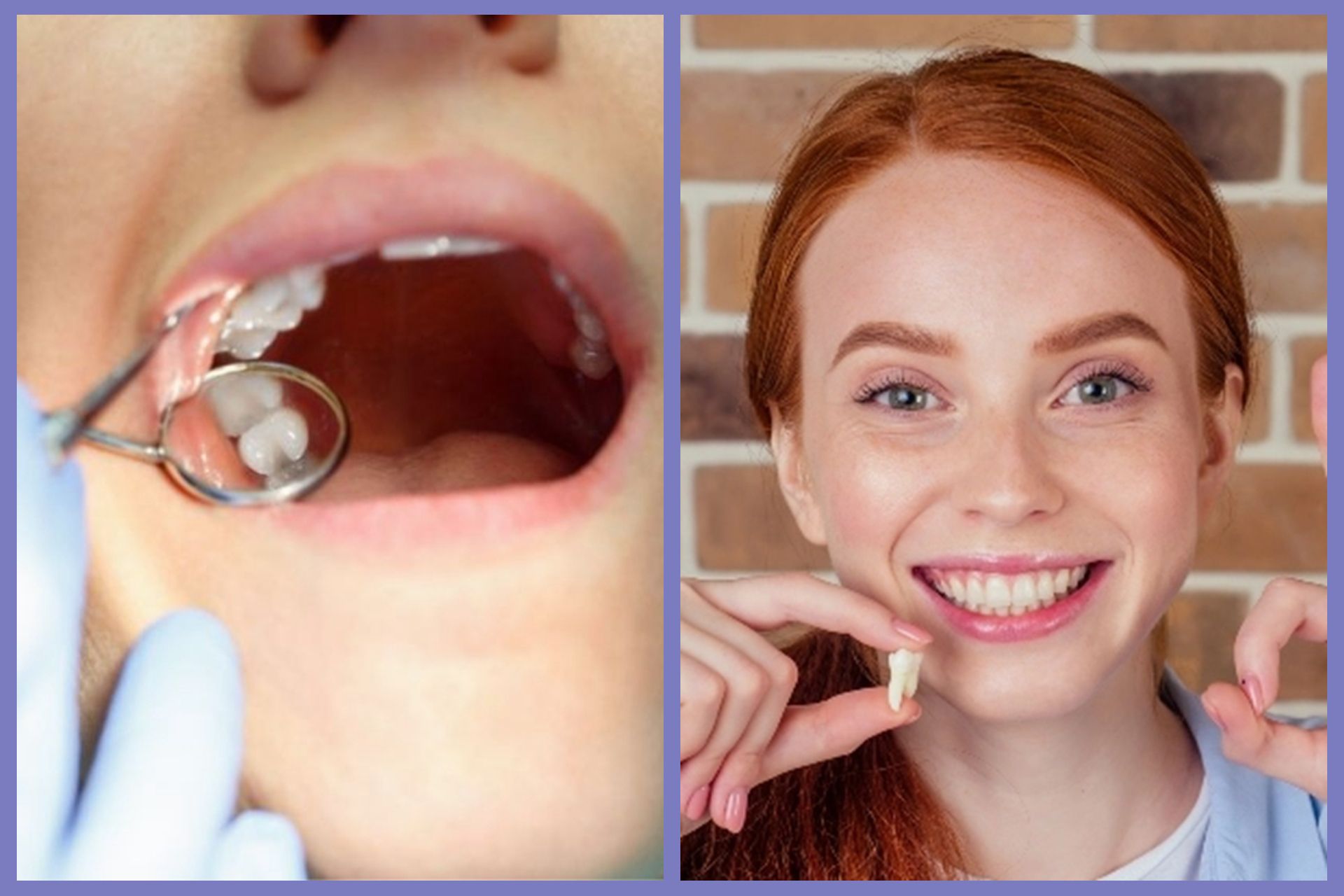
ommon solution for a necrotic tooth. The dentist removes the dead and infected pulp, disinfects the canals, and seals them. A crown is often recommended afterward to protect the tooth.
- Endodontic retreatment: If a previously treated tooth flares up, retreatment may clear lingering infection.
- Apicoectomy (root-end surgery): For persistent infections that don’t respond to conventional root canal, a surgical approach can remove infected tissue at the root tip.
- Extraction: If the tooth is structurally hopeless—severely cracked, extensive decay, or insufficient bone—removal may be necessary. Discuss replacement options with your dentist to maintain function and aesthetics.
Important note on antibiotics: They are sometimes used when there are systemic signs (fever, swelling, spreading infection), but antibiotics alone don’t fix a necrotic tooth. Definitive dental treatment is the solution.
Smart self-care while waiting for your appointment
- Take over-the-counter pain relievers as directed on the label
- Apply a cold compress to reduce swelling
- Rinse gently with warm salt water
- Avoid chewing on the affected side and skip very hot foods
- Do not place aspirin directly on the gum or tooth—it can burn tissue
- Try to sleep with your head elevated if throbbing is worse at night
Recovery and outlook
With timely root canal therapy, most necrotic teeth can be saved and remain comfortable for years. Discoloration can often be improved with internal bleaching after treatment. If extraction is necessary, replacing the tooth helps prevent drifting, bite problems, and bone loss. Follow your dentist’s advice on checkups, bite guards if you grind your teeth, and routine maintenance to keep everything stable.
Prevention tips you can act on today
- Brush twice daily with a fluoride toothpaste and clean between teeth every day
- Schedule regular dental exams and professional cleanings
- Treat cavities early before they reach the pulp
- Wear a custom mouthguard for sports and a night guard if you clench or grind
- Manage dry mouth by staying hydrated and discussing products that stimulate saliva
- Cut back on sugary snacks and acidic drinks
- Quit smoking or vaping and manage health conditions like diabetes
- See a dentist promptly after any mouth or jaw injury
Quick FAQs
- Is a dead tooth always painful? No. Many necrotic teeth stop responding to stimuli, and pain may be intermittent or even absent until infection spreads.
- Can a necrosis tooth heal on its own? No. Once the pulp is necrotic, it doesn’t regenerate. Professional treatment is necessary.
- Will whitening fix a gray dead tooth? External whitening has limited effect. Internal whitening after a root canal can often brighten the tooth.
- How long can I wait? Delaying care raises the odds of abscess, bone loss, and tooth loss. If you suspect necrosis, book an appointment soon.
Bottom line
In 2026, you have more options than ever to diagnose and treat a necrosis tooth effectively. The key is not to ignore the early warning signs. Catching problems early doesn’t just save the tooth—it protects your overall health and keeps your smile strong and confident. If something feels off, trust your instincts and see a dentist. Your future self will thank you.
















