









Dental Care Aftercare: Dos & Donts for 2026
Whether you’ve just had a routine filling, a wisdom tooth extracted, dental implants placed, or a whitening session, what you do after you leave the dental chair can make the difference between smooth healing and unnecessary setbacks. In 2026, aftercare is a mix of tried-and-true basics and smarter tools that make staying on track easier. Here’s a clear, conversational guide to help you protect your smile and support healing the right way.
Why Aftercare Matters More Than Ever
Dental materials and techniques keep improving, but your mouth is still a delicate environment. Tissues need time to settle, gums need gentle care, and teeth need protection from extremes. Modern habits—like constant snacking, high-acid beverages, and long screen-time nights—can work against healing. The good news: a few consistent aftercare habits, paired with today’s simple tech tools, help you heal faster, reduce complications, and keep your investment in good shape.
Universal Dos for Better Healing
- Follow your dentist’s instructions first. Every mouth and procedure is different. If your provider’s guidance differs from a general tip, their plan wins.
- Keep oral hygiene gentle but consistent. Brush softly around the treated area with a soft-bristled brush. Use a pea-sized amount of fluoride toothpaste. Floss carefully, avoiding tugging near stitches or tender gums.
- Rinse wisely. After 24 hours (or as directed), warm saltwater rinses can soothe tissues. Swish gently; no vigorous rinsing.
- Manage swelling and discomfort. Use a cold compress on the outside of your face in the first 24–48 hours (10 minutes on, 10 minutes off). Take any recommended medications as directed.
- Eat a soft, balanced diet. Think yogurt, mashed vegetables, eggs, oatmeal, soups at a lukewarm temperature, and smoothies (with a spoon). Prioritize protein to support healing.
- Stay hydrated. Sip water throughout the day. Hydration supports tissue recovery and reduces dry mouth.
- Sleep smart. Keep your head slightly elevated for the first night or two after surgical procedures to minimize swelling.
- Keep your follow-up visits. Timely check-ins help catch small issues before they become big ones.
Universal Don’ts That Prevent Problems
- Don’t smoke or vape. Nicotine and vaporized chemicals restrict blood flow and slow healing. Avoid them entirely during recovery.
- Don’t drink through a straw after extractions. Suction can dislodge the blood clot and cause dry socket.
- Don’t poke or prod the area. Tongues and fingers introduce bacteria and irritate tissues.
- Don’t eat very hot, very cold, hard, or spicy foods initially. Give tissues and restorations time to settle.
- Don’t skip brushing. Plaque buildup invites infection. Keep it gentle but consistent.
- Don’t overuse whitening products or home remedies. Overdoing it can cause sensitivity and damage enamel.
- Don’t delay if something feels off. Persistent pain, swelling, or foul taste/odor warrants a call.
Procedure-Specific Aftercare Tips
For Fillings and Crowns
- Numbness is normal for a few hours. Be careful with cheek and tongue biting.
- Expect mild sensitivity to temperature or pressure for a few days. Use a desensitizing toothpaste if recommended.
- If your bite feels “high” once numbness fades, call your dentist for a quick adjustment.
For Extractions and Wisdom Teeth
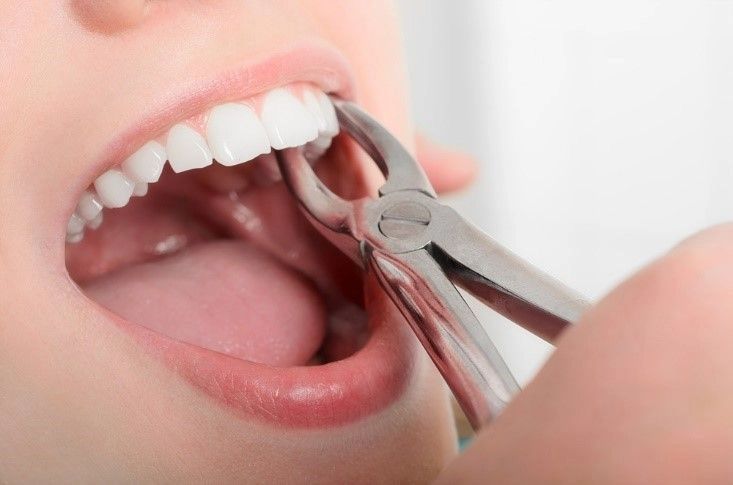
- Protect the clot. That clot is nature’s bandage—don’t spit forcefully, rinse aggressively, or use straws for the first 24 hours.
- Soft foods only initially. Progress as comfort allows.
-
Gentle cleaning. Brush other areas, and clean near the site with care. Start gentle saltwater rinses after the first day unless advised otherwise.
- Watch for dry socket signs: throbbing pain that worsens on day 2–3, bad taste, or visible bone. Call if you notice these.
For Dental Implants
- Stick to your loading plan. If your dentist advised a soft diet for a period, follow it to protect osseointegration.
- Clean the implant area carefully. Use a soft brush and consider interdental brushes or water flossers around the implant when cleared to do so.
- Avoid heavy exercise for a couple of days. Increased blood flow can worsen swelling.
For Root Canal Therapy
- Expect biting sensitivity. It often fades within days.
- Crown protection. If a temporary crown is in place, avoid sticky foods. Schedule the permanent restoration promptly to prevent fractures.
For Whitening (In-Office or At Home)
- Avoid staining foods and drinks for 24–48 hours. Coffee, tea, red wine, berries, and soy sauce can re-stain quickly.
- Manage sensitivity. Use a fluoride or potassium nitrate toothpaste. Pause whitening if sensitivity is severe and consult your provider.
For Braces and Clear Aligners
- Orthodontic discomfort is common after adjustments. Cold drinks (not ice biting) and orthodontic wax help.
- Aligners need daily cleaning. Rinse with lukewarm water and brush gently. Avoid hot water that can warp trays.
- Stick to wear time. Consistency keeps teeth moving as planned and shortens overall treatment time.
Smart Aftercare Tools for 2026
- Smart brushing timers and apps help you stay gentle yet thorough, especially near healing areas. Use “sensitive” modes if available.
- Water flossers are great for cleaning around bridges, implants, and braces. Start once your dentist says it’s safe, and keep the pressure low at first.
- Tele-dental check-ins can address questions quickly. Share photos of the site (in good lighting) if your dentist offers virtual follow-ups.
- Reminders and habit trackers keep medications, rinses, and dietary guidelines on schedule, making it easier to stick with your plan.
Red Flags: When to Call Your Dentist
- Pain that worsens after 48–72 hours or isn’t relieved by recommended measures
- Bleeding that doesn’t slow with gentle pressure
- Fever, chills, or signs of infection such as increasing swelling, redness, or pus
- Persistent bad taste or odor
- A crown, temporary, or filling that feels loose, or a cracked aligner/tray
- Numbness that doesn’t resolve as expected
Long-Term Habits That Protect Your Results
- Twice-daily brushing and daily interdental cleaning (floss or water flosser) remain the backbone of oral health.
- Fluoride toothpaste supports enamel remineralization and reduces sensitivity. If your dentist recommends a prescription-strength option, use it as directed.
- Nightguards for grinders protect new fillings, crowns, veneers, and implants. If you clench, ask if one is right for you.
- Mind your diet. Limit frequent snacking and acidic drinks. Rinse with water after coffee, soda, or citrus to neutralize acids.
- Schedule routine checkups and cleanings. Prevention is the most affordable and comfortable “treatment” there is.
The Bottom Line
Aftercare isn’t complicated, but it is crucial. Keep it gentle, clean, and consistent. Follow your dentist’s specific instructions, use today’s simple tools to stay on track, and listen to your body. A few thoughtful steps in the first days and weeks can help you heal smoothly, avoid setbacks, and enjoy a healthier, brighter smile throughout 2026 and beyond.
















