









Root Canal Bleeding: Causes, Risks & What to Expect
Hearing that a root canal might involve some bleeding can be unsettling, but a small amount of bleeding before, during, or shortly after treatment is often normal. Understanding why it happens, what’s considered typical, and when to seek help can make the experience far less stressful. Here’s a clear, patient-friendly guide to root canal bleeding, the risks associated with it, and what to expect from start to finish.
What a root canal actually involves
A root canal removes inflamed or infected pulp tissue from inside your tooth, disinfects the canals, and seals them to prevent future infection. Because the pulp is rich in blood vessels and nerves, it’s not unusual for a little blood to appear when the inflamed tissue is cleaned out or when the surrounding gum is touched by instruments. Dentists isolate the tooth with a rubber dam and use precise tools and solutions to control both infection and bleeding.
Common causes of bleeding during or after a root canal
Mild bleeding can come from several sources, many of which are not serious:
- Inflamed pulp and canal tissue: Diseased tissue can bleed when it’s disturbed or removed.
- Gum irritation: The rubber dam clamp, suction tips, or instruments may briefly contact the gum.
- Injection site: The spot where local anesthetic was delivered can ooze slightly.
- Granulation tissue: Long-standing infections can form fragile tissue that bleeds easily.
- Periodontal (gum) issues: If gum disease is present near the tooth, the area may bleed with minimal stimulation.
Less common but important causes include:
- Instrumentation beyond the root tip: If tools pass slightly beyond the apex, the surrounding ligament may bleed.
- Root perforation or cracks: Breaches in the root can cause bleeding and require careful repair.
- Irrigant irritation: Rarely, an irrigating solution can irritate soft tissue if it passes beyond the canal.
- Blood thinners and health conditions: Anticoagulant medications, certain supplements, or clotting disorders can increase bleeding.
What’s normal and what’s not
Expect minimal oozing or a pinkish tinge in saliva for a short period after treatment. Soreness when chewing or touching the tooth is also common for a few days. However, bleeding that soaks gauze repeatedly, persists more than 12–24 hours, or is accompanied by severe swelling, fever, a foul taste, or increasing pain is not typical and warrants a call to your dentist.
Risks associated with root canal bleeding
Bleeding itself isn’t usually dangerous, but it can signal other issues if it’s heavy or persistent:
- Ongoing infection: Persistent inflammation may continue to irritate tissues.
- Gum trauma: A nicked gum or loose tissue can bleed until stabilized.
- Perforation or crack: Structural issues in the root can cause ongoing bleeding and need prompt management.
- Medication interactions: Blood thinners or certain supplements can prolong bleeding.
- Chemical irritation: Rare accidents with irrigants require immediate assessment to prevent complications.
What to expect during the procedure
You’ll be numbed thoroughly, and a rubber dam will keep the tooth dry and protect your mouth. Your dentist may see slight bleeding as diseased tissue is removed. They can control bleeding with gentle pressure, irrigants, and small hemostatic agents. After cleaning and shaping the canals, they may place a medicated dressing or complete the filling and seal the canals. A temporary restorat
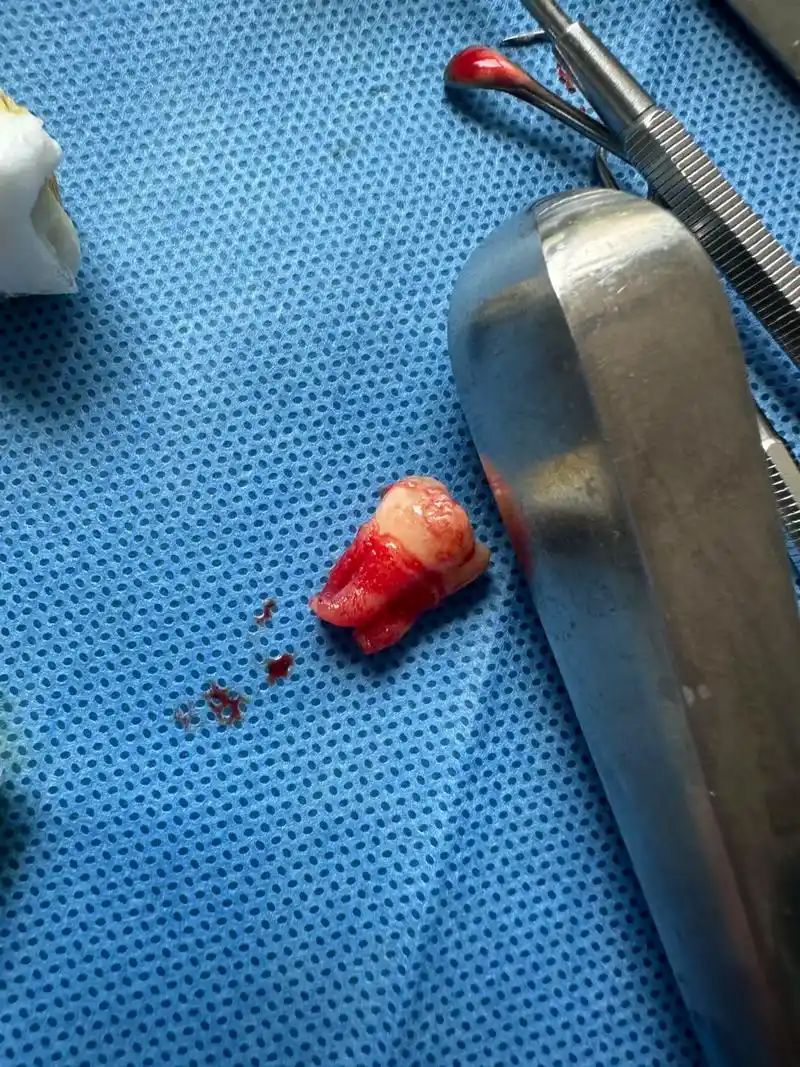
ion may be placed if a crown or final filling will be done later.
What to expect after the procedure
For the first 24–48 hours, mild soreness and occasional spotting are normal. Many people return to normal activities the same day. You’ll likely be advised to chew on the opposite side until a permanent restoration is placed and to avoid very hard or sticky foods initially.
Home care tips to control bleeding and protect healing
- Apply gentle pressure: If you notice oozing, place clean gauze over the area and bite gently for 20–30 minutes.
- Take it easy: Keep your head slightly elevated and avoid heavy exercise for the first day if bleeding is present.
- Don’t rinse vigorously: Avoid forceful spitting or swishing for 24 hours; it can dislodge clots.
- Eat soft, cool foods: Avoid very hot drinks and alcohol on day one if bleeding is a concern.
- Avoid smoking or vaping: They delay healing and can worsen bleeding.
- Manage discomfort: Over-the-counter pain relievers may help, but avoid aspirin unless directed, as it can thin the blood.
- Keep it clean: Brush gently around the area and start warm saltwater rinses after 24 hours to reduce irritation.
- Follow instructions: Take prescribed medications as directed and keep scheduled follow-ups.
When to call your dentist
Reach out promptly if you experience:
- Bleeding that doesn’t slow after consistent pressure within 12–24 hours
- Large clots, persistent metallic or foul taste, or pus
- Severe or worsening pain after 48 hours
- Significant swelling, fever, or difficulty swallowing
- Numbness that doesn’t wear off as expected
- New bleeding that starts several days later
How dentists manage persistent bleeding
Your dentist has several tools to stop bleeding safely and identify the cause. They might use hemostatic solutions, place a soothing medicated dressing in the canal, adjust the temporary restoration to avoid gum irritation, or repair a small perforation. If medications or health conditions are contributing, they may coordinate with your physician and adjust the plan. Antibiotics are reserved for signs of infection rather than bleeding alone.
Prevention starts before the appointment
- Share your full medical history: Include all prescriptions, over-the-counter drugs, and supplements like fish oil, ginkgo, or garlic, which can affect bleeding.
- Follow pre-visit instructions: Your dentist may recommend timing or adjusting certain medications in consultation with your doctor.
- Choose experienced care: Proper isolation, imaging, and technique reduce soft tissue irritation and over-instrumentation.
- Complete the restoration: A well-fitted crown or filling prevents gum inflammation and re-infection.
Does bleeding mean the root canal failed?
Not necessarily. Minor bleeding is often part of treating inflamed tissues and doesn’t forecast failure. Success is judged by pain resolution, absence of infection, proper sealing of the canals, and healthy surrounding tissues over time. If bleeding is unusual or persistent, it’s a signal to evaluate—not an automatic sign of failure.
The bottom line
A little bleeding around a root canal is usually normal and manageable. Understanding the common causes, following home care steps, and knowing the warning signs helps you stay comfortable and confident throughout treatment. If anything feels off or you’re worried about ongoing bleeding, don’t hesitate to contact your dental team—they’re there to help you heal smoothly and protect your tooth for the long term.
















