









Dental Necrosis: Causes, Risks & What to Expect 2026
If you’ve ever heard a dentist mention “dental necrosis” or “tooth necrosis,” they’re talking about a tooth whose pulp—the soft tissue inside that holds nerves and blood vessels—has died. It sounds scary, but understanding why it happens, what it means for your health, and how modern dentistry treats it can take a lot of the fear out of the conversation. Here’s what you need to know in 2026.
What is dental necrosis?
Dental necrosis occurs when the pulp inside a tooth loses its blood supply and dies. A necrotic tooth can no longer feel cold or heat the way a healthy tooth does, but it may still cause pain or pressure sensitivity because surrounding tissues become inflamed or infected. Left untreated, a necrotic tooth can lead to an abscess and spread infection to the jaw or nearby structures.
Common causes
- Deep tooth decay: Untreated cavities can penetrate the enamel and dentin, reaching the pulp and triggering infection and death of the tissue.
- Trauma: A blow to the mouth, a fall, or chronic grinding can disrupt the blood flow to the pulp, sometimes causing necrosis months after the injury.
- Cracks or fractures: Microscopic or visible cracks allow bacteria to reach the pulp.
- Repeated dental work: Multiple restorations on the same tooth can stress the pulp over time.
- Advanced gum disease: Severe periodontal infection can reach the tip of the root and affect the pulp via small lateral canals.
- Thermal or chemical irritation: Extreme temperatures or certain substances can injure pulp tissue.
- Orthodontic movement: Rarely, excessive or rapid tooth movement can compromise pulp health.
Warning signs and symptoms
Not every necrotic tooth hurts. In fact, some are surprisingly quiet until an infection develops. Watch for:
- Lingering pain with heat, or no response to cold
- Pain on biting or chewing
- Swelling in the gums or face
- A pimple-like bump on the gums (fistula)
- Bad taste or bad breath
- Tooth discoloration (gray or darkening)
- Tenderness to tapping
- Fever or malaise when infection flares
If you notice these symptoms, especially swelling or fever, seek dental care promptly.
Risks and complications
Ignoring dental necrosis doesn’t make it go away. Potential complications include:
- Abscess formation at the tooth root
- Bone loss around the tooth
- Spread of infection to the sinus (upper teeth) or jaw spaces
- Severe facial swelling and, in rare cases, systemic infection
- Tooth fracture due to weakened structure
- Persistent bad breath and taste changes
How dentists diagnose it
Your dentist or endodontist (root canal specialist) will combine your symptoms with clinical tests and imaging:
- Vitality tests: Cold testing and electric pulp testing to see if the nerve responds
- Percussion and palpation: Gentle tapping and pressure to spot inflammation
- Periodontal probing: Checking the gums for deep pockets or isolated defects
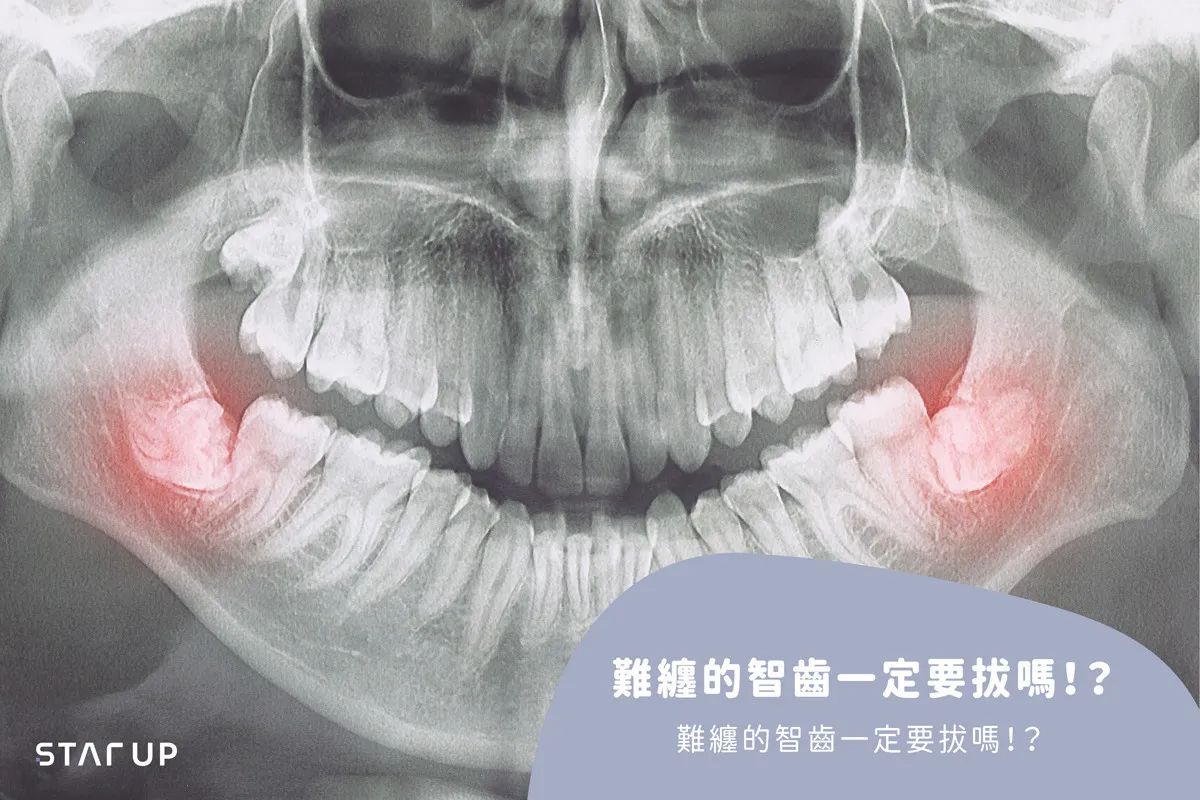
- X‑rays: To look for deep decay, fractures, or dark areas at the root tip
- Cone-beam CT (CBCT): In 2026, CBCT is commonly used when standard X‑rays aren’t clear or when complex anatomy is suspected. Many practices also use AI‑assisted imaging to flag subtle lesions earlier.
Treatment options
Good news: a necrotic tooth can often be saved.
- Root canal therapy (RCT): The standard of care removes the dead pulp, disinfects the canal system, and seals it to prevent reinfection. Today’s approaches are more comfortable and efficient, using flexible nickel‑titanium files, ultrasonic irrigation, and bioceramic sealers that are highly biocompatible.
- Retr
eatment: If an old root canal fails, it can often be redone with improved techniques and materials.
- Apicoectomy: A minor surgical procedure to clean and seal the root tip if a persistent lesion doesn’t resolve after RCT.
- Regenerative endodontics: For immature teeth in younger patients, regenerative techniques can encourage continued root development.
- Extraction: If the tooth is too fractured or decayed to restore, removal is the safest option. Your dentist will discuss replacement options, such as a bridge or denture, after healing.
- Antibiotics: Used only when there is spreading infection, fever, or systemic involvement. They are not a standalone treatment for a necrotic tooth; the source must be addressed.
- Pain control: Over‑the‑counter anti‑inflammatories are usually effective. Your dentist may recommend a short course and provide instructions tailored to you.
What to expect in 2026
Dental care continues to get faster, safer, and more precise:
- Earlier detection: AI‑aided analysis of X‑rays and CBCT helps spot lesions sooner, often before severe symptoms develop.
- More comfortable procedures: Improved local anesthetics and buffering systems help achieve profound numbness. Rotary and reciprocating instruments reduce chair time.
- Cleaner canals: Activated irrigation (ultrasonic or negative pressure) and modern disinfectants improve bacterial control in complex root anatomy.
- Stronger seals: Bioceramic sealers and advanced filling techniques create a tight, durable seal that supports long‑term success.
- Minimally invasive access: Dentists strive to preserve more healthy tooth structure, reducing fracture risk.
- Same‑day restorations: With digital scanning and in‑office milling, many teeth receive a permanent onlay or crown the same day as treatment.
- Guided endodontics: 3D‑printed guides help navigate calcified or complex canals with precision.
- Teledentistry triage: Remote consults help prioritize urgent cases and streamline in‑office care.
- Antibiotic stewardship: Clear protocols minimize unnecessary antibiotic use, protecting your microbiome and public health.
Recovery and outcomes
Most root canals are completed in one or two visits. Mild soreness for a few days is common and usually managed with anti‑inflammatories. Avoid chewing on the treated tooth until it’s fully restored with a permanent filling or crown; teeth that have had RCT often need a crown to prevent cracking. Follow‑up imaging at 6–12 months checks healing. Success rates remain high, and many teeth last for years with proper care.
Prevention: lower your risk
- Brush twice daily with fluoride toothpaste and floss or use interdental cleaners
- See your dentist regularly for exams and professional cleaning
- Treat cavities early before they reach the pulp
- Wear a mouthguard for sports and consider a night guard for clenching or grinding
- Manage dry mouth and limit frequent snacking on sugary or acidic foods
- Stop smoking and keep conditions like diabetes well controlled
- Address cracked or broken teeth promptly
When to call your dentist now
Seek dental care quickly if you have facial swelling, fever, difficulty swallowing, severe pain, or a draining bump on the gums. Fast attention can prevent complications and often saves the tooth.
Bottom line
Dental necrosis is a serious but manageable condition. With today’s diagnostics and treatment options, most necrotic teeth can be treated comfortably and predictably. If you suspect a problem—or you’re overdue for an exam—getting checked sooner rather than later is the smartest step for your health and your smile.
















