









Tooth Loose at the Root: How Serious? Next Steps to Take 2026
Noticing that an adult tooth feels loose can be unsettling. While a loose tooth is normal for children, mobility in an adult tooth almost always signals an underlying problem that needs attention. The good news: many causes are treatable, and early action often restores stability. Here’s how to understand the seriousness, what to do right now, and what modern dentistry in 2026 can offer.
How to tell if a tooth is loose at the root
A tooth that moves when you press it with your tongue or finger, feels “high” when you bite, or looks slightly longer than neighboring teeth (a sign it’s drifting out of the socket) may be loose at the root. You might also notice tenderness, bleeding gums, chronic bad breath, or a bad taste—all hints of gum infection.
Common causes of a loose adult tooth
- Gum disease (gingivitis and periodontitis): This is the top cause. Inflammation and bacterial buildup damage the ligament and bone that anchor teeth, gradually loosening them.
- Trauma or grinding: A blow to the mouth, clenching, or night grinding (bruxism) can overstress the ligament and bone.
- Infection or abscess: Deep decay or a dead nerve can cause infection around the root, dissolving bone support.
- Bite problems and orthodontic relapse: Teeth that hit prematurely or shifting after braces can overload specific teeth.
- Systemic factors: Smoking, uncontrolled diabetes, pregnancy-related hormone changes, osteoporosis, and certain medications can increase risk or slow healing.
- Advanced recession or thin bone: Over time, thin gums and bone around certain teeth can make them more mobile.
How serious is it?
Severity depends on how much bone support has been lost, whether there’s active infection, and if the cause is ongoing. Seek urgent dental care if you notice:
- Sudden looseness after an injury
- Throbbing pain, swelling, pus, fever, or a bad taste
- Tooth movement of more than about a millimeter
- A tooth that feels progressively higher or painful when biting
Generally, the sooner you act, the better the chance of stabilizing the tooth without extensive treatment.
What to do right now
- Stop wiggling it: Resist the urge to test the mobility. Movement can tear healing fibers.
- Switch to a soft diet: Avoid nuts, tough meats, and crusty bread. Chew on the opposite side.
- Keep it clean and calm: Gently brush the area with a soft brush. A warm saltwater rinse can soothe gums. Avoid harsh, alcohol-based rinses unless advised by your dentist.
- Use a cold compress for swelling: Apply to the cheek in short intervals.
- Wear a night guard if you already have one: This reduces forces on the tooth.
- Call your dentist: Same-day or next-day evaluation is best—same day for injuries or infection signs.
How dentists diagnose a loose tooth in 2026
Expect a focused assessment to find the why, not just the what:
- Periodontal charting: Measuring gum pockets and bleeding points to gauge disease activity.
- Mobility grading and bite analysis: Identifying traumatic bite contacts.
- Digital imaging: Low-dose X-rays and, when needed, 3D CBCT scans to visualize bone support and root anatomy.
- Infection checks: Vitality tests for the tooth, and evaluation for abscesses.
- Risk profiling: Your dentist may use chairside tools that integrate health history, saliva tests, and AI-assisted imaging to flag high-risk sites and tailor a plan.
Evidence-based treatment options
Dentistry in 2026 emphasizes minimally invasive, cause-driven care. Depending on the diagnosis, your plan may include:
Gum disease therapy
- Scaling and root planing: Deep cleaning to remove plaque and calculus under the gums.
- Local antimicrobials: Targeted me
dication placed in specific pockets.
- Laser-assisted periodontal therapy: Minimizes bleeding and helps disinfect and decontaminate diseased tissue.
- Occlusal adjustment: Fine-tuning the bite so the tooth isn’t overloaded.
- Periodontal surgery when needed: Regenerative procedures—guided tissue regeneration, bone grafts, and biologic growth factors—to rebuild support where possible.
Stabilizing the tooth
- Splinting: Temporarily bonding the loose tooth to neighboring teeth to share forces while tissues heal. Splints may be short-term during healing or longer-term for advanced cases.
Addressing infection or nerve problems
- Root canal therapy: If the tooth’s nerve is infected or dead, cleaning and sealing the canals can remove infection and help preserve the tooth.
- Drainage and infection control: Managing abscesses promptly reduces pain and bone damage.
Managing grinding and bite forces
- Custom night guard: Protects teeth from clenching and grinding.
- Bite equilibration or orthodontics: Correcting traumatic bite patterns or crowding that overloads specific teeth.
When a tooth can’t be saved
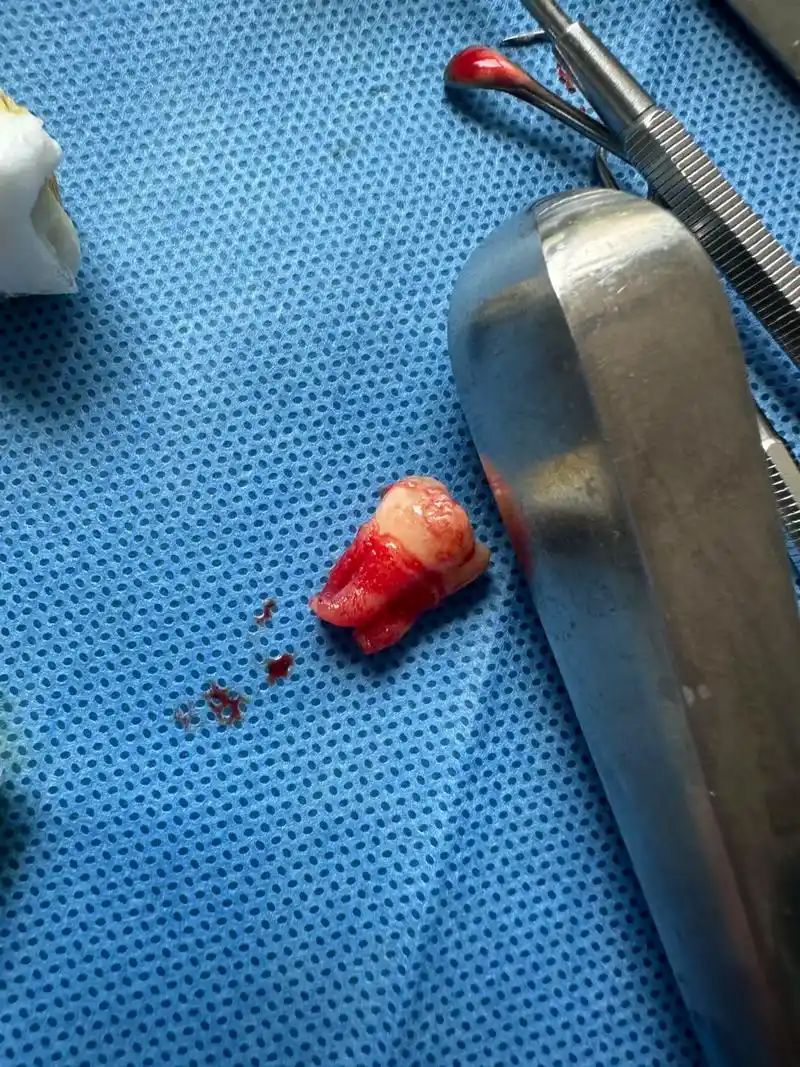
If support has been irreversibly lost, removing the tooth may be the healthiest path. Replacement options include implants, bridges, or removable partial dentures. Your dentist will explain timelines and steps to maintain bone and gum contours after extraction.
Home care that actually helps
- Brush twice daily with a soft brush and gentle pressure; consider an electric brush with a pressure sensor.
- Clean between teeth daily using floss or interdental brushes sized to your spaces.
- Use an antiseptic or anti-gingivitis rinse if your dentist recommends it.
- Quit smoking and vape products; they slow healing and increase gum disease risk.
- Manage systemic conditions like diabetes; stable blood sugar improves outcomes.
- Eat a gum-friendly diet: lean proteins, leafy greens, vitamin C and D, and adequate calcium. Hydrate well to support saliva flow.
Prevention for the long run
- See your dentist and hygienist regularly for cleanings and monitoring; interval depends on your risk level.
- Wear a properly fitted sports mouthguard for contact activities.
- Commit to your retainer after orthodontic treatment to prevent shifting.
- Address dry mouth, reflux, and mouth breathing; these can accelerate gum problems.
- Scan for early signs: bleeding when brushing, persistent bad breath, gum recession, or increasing tooth sensitivity.
2026 outlook: faster answers, gentler care
Modern diagnostics help catch problems earlier and target treatment precisely. Digital imaging, salivary biomarkers, and AI-enhanced risk tools guide individualized care. Laser periodontal therapy and bioactive regenerative materials mean many cases can be treated with less discomfort and faster recovery. The key is timely evaluation—teeth that are loose today can often be stabilized when the cause is addressed early.
Quick answers to common questions
- Can a loose adult tooth tighten back up? Often, yes—if the underlying cause is treated and the tooth hasn’t lost too much bone. Many patients see improved stability within weeks to months.
- How long should I wait to see a dentist? Don’t wait. Aim for evaluation within a few days; same day if you have pain, swelling, or after trauma.
- Is a tiny bit of movement always bad? Adult teeth shouldn’t feel noticeably loose. Even mild mobility deserves a professional check to prevent progression.
Bottom line: a tooth loose at the root is a warning sign you shouldn’t ignore. Protect it today with gentle care and a quick call to your dentist, and take advantage of the precise, patient-centered treatments available in 2026 to keep your smile stable and healthy.
















