









Root Canal in Hong Kong? Shenzhen Costs Less
If your dentist just recommended a root canal and you live in Hong Kong, there’s a good chance you’ve heard friends say, “Go to Shenzhen—it costs less.” Cross-border dentistry has become a practical option for many, especially for treatments like root canal therapy (also called endodontic treatment) that may involve multiple appointments. But price is only one part of the decision. Quality, convenience, communication, and aftercare matter just as much. Here’s a clear, friendly guide to help you weigh a root canal in Hong Kong versus Shenzhen.
Why people compare Hong Kong and Shenzhen for root canals
- Cost-conscious care: Root canal therapy can be a significant investment. Shenzhen often offers lower fees due to differences in operating costs, making it attractive for budget-savvy patients.
- Proximity and access: From Central to the border, you can reach Shenzhen in under an hour via MTR, high-speed rail, or crossing points like Lok Ma Chau or Shenzhen Bay. That makes same-day dental visits realistic.
- Modern clinics on both sides: Many clinics in both Hong Kong and Shenzhen use current techniques (rotary instruments, apex locators) and materials, and some Shenzhen practices specifically cater to Hong Kong patients with bilingual staff and streamlined booking.
What a root canal actually involves
A root canal isn’t as scary as it sounds. The goal is to save a tooth that’s infected or inflamed deep inside. Here’s what typically happens:
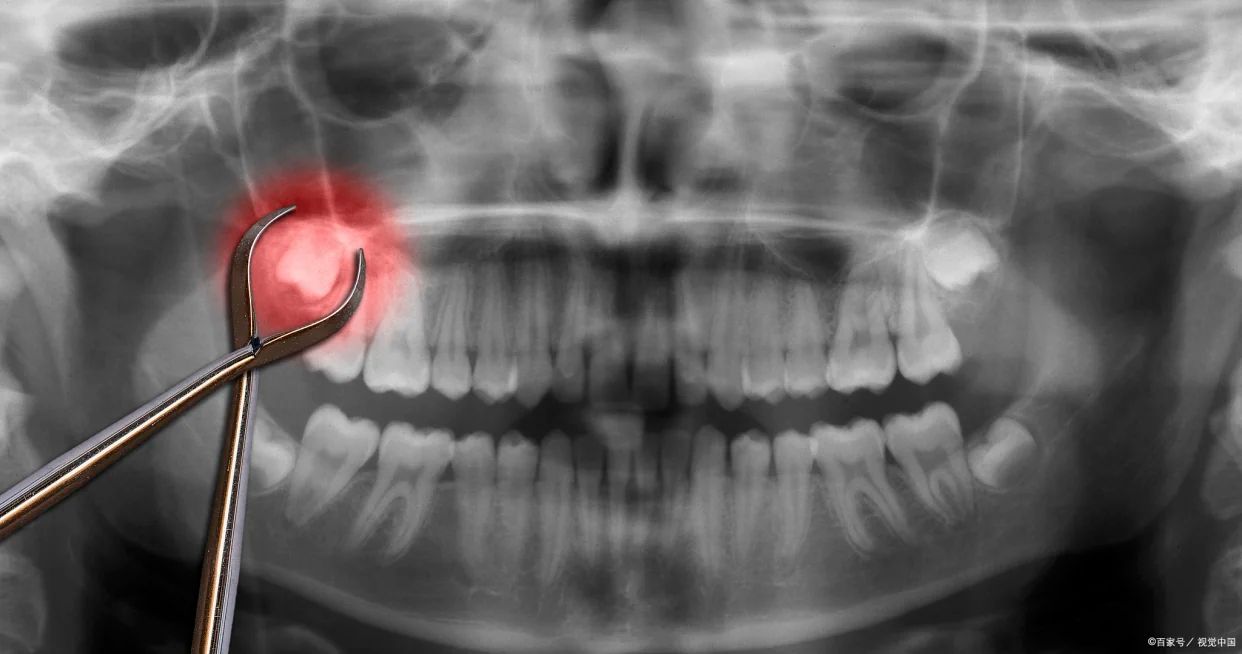
- Diagnosis and imaging: Your dentist or endodontist confirms the need for treatment with X-rays or CBCT scans and explains the plan.
- Anesthesia and isolation: Local anesthetic keeps you comfortable, and a rubber dam isolates the tooth to keep it clean and dry.
- Cleaning and shaping: The dentist removes the infected pulp, disinfects the canals, and shapes them for filling using specialized instruments.
- Filling and sealing: The canals are filled with a biocompatible material (often gutta-percha) and sealed to prevent reinfection.
- Restoring the tooth: A crown or onlay is usually recommended after a root canal to protect the tooth and restore function.
Treatment can take one to three visits depending on the tooth, infection severity, and whether complications arise. Reliable aftercare includes follow-up X-rays and monitoring.
Root canal in Hong Kong: strengths and trade-offs
- Strong regulatory framework: Hong Kong dentists are registered with the Dental Council, and clinics follow established infection control standards.
- Clear communication: English and Cantonese are widely spoken, making it easier to ask detailed questions and understand instructions.
- Convenient follow-up: If you need a quick check or a bite adjustment, it’s simple to schedule a visit without crossing the border.
- Potential downsides: Appointments can be in high demand, and overall fees tend to be higher compared to Shenzhen.
Root canal in Shenzhen: benefits and considerations
- Lower fees: Many patients choose Shenzhen for the potential savings on root canal therapy and related procedures like crowns.
- Access and availability: Shenzhen has a large network of clinics, including specialist centers. Appointments can be more flexible and sometimes available sooner.
- Modern equipment: Many clinics use digital imaging, microscopes, and up-to-date endodontic tools, similar to Hong Kong counterparts.
- Practical considerations: You’ll need to account for travel time, immigration queues, ID requirements, and potential delays. Follow-up visits and emergency care may be less convenient if issues arise between appointments.
- Standards and credentials: Make
sure your chosen Shenzhen clinic is licensed and that your dentist has specific training in endodontics. Ask about sterilization protocols (autoclave use, spore testing) and quality assurance.
How to choose the right clinic and dentist
- Verify credentials: Look for dentists with additional training in endodontics. Don’t hesitate to ask about education, years of experience, and case volumes for molar root canals.
- Ask about technology and protocols: CBCT availability for complex cases, rubber dam use for every root canal, apex locators, rotary files, and magnification (loupes or microscope) are all positive signs.
- Check infection control: Ask how instruments are sterilized, whether single-use items are employed, and what disinfection standards are followed.
- Request a clear treatment plan: A written plan should outline diagnosis, number of visits, materials, restoration recommendations, and anticipated outcomes.
- Read independent reviews: Look for detailed, consistent feedback about communication, pain control, cleanliness, punctuality, and aftercare.
- Clarify aftercare and retreatment policies: Understand how complications are handled, whether adjustments are included, and the process if symptoms persist.
Language, communication, and comfort
- In Hong Kong, English and Cantonese communication is usually straightforward. In Shenzhen, many clinics serving cross-border patients have English- or Cantonese-speaking staff, but it’s wise to confirm language support when booking.
- Bring previous X-rays or records if you have them. Clear history (medications, allergies, prior dental work) helps avoid surprises.
- Pain management is typically excellent with local anesthetics; discuss anxiety control or sedation options if you’re nervous.
Insurance, payment, and documentation
- Insurance coverage can be specific about provider networks and cross-border care. Check in advance whether your plan allows claims for Shenzhen clinics or requires treatment in Hong Kong.
- Ask about accepted payment methods (credit cards, UnionPay, digital wallets) and request itemized invoices and treatment notes for your records and any claims.
- Keep copies of imaging and final reports. If you start in Shenzhen and complete restoration in Hong Kong (or vice versa), continuity of care is easier with proper documentation.
Travel timing and logistics
- Plan appointments around border traffic. Early mornings or midweek slots can be smoother.
- After a root canal, you can usually travel, but give yourself time to rest. Avoid scheduling intense activities immediately after treatment.
- If a crown is needed, confirm whether the lab work and crown placement will be done in the same clinic and how many visits are required.
What if something goes wrong?
Root canals have high success rates, but no treatment is risk-free. Whether treated in Hong Kong or Shenzhen:
- Report lingering pain, swelling, or bite issues promptly.
- Stick to follow-up schedules for clinical checks and X-rays.
- If retreatment or a specialist referral is suggested, ask why and what the new plan entails.
Bottom line: value is more than the sticker price
Shenzhen often costs less for a root canal, and many patients have excellent experiences there. Hong Kong offers the convenience of closer follow-ups and a familiar regulatory environment. The best choice balances price with clinical standards, communication, and practical logistics. Prioritize a qualified dentist, transparent planning, stringent infection control, and a realistic aftercare strategy. With the right preparation, a root canal—on either side of the border—can be comfortable, effective, and long-lasting.
















