









How Many Visits Does a Root Canal Need? Answered
If you’ve been told you need a root canal, one of the first questions that comes to mind is: how many visits will this take? The short answer is that most root canals are completed in one or two visits. The exact number depends on the tooth, the complexity of the case, and whether there’s an active infection. Let’s break down what impacts the timeline, what happens at each visit, and how to plan your schedule with confidence.
The quick answer
- Many straightforward root canals can be completed in a single visit.
- Complex cases or teeth with significant infection may require two visits.
- In some situations, especially retreatments or teeth with complications, you may need a third visit.
- After the root canal, you’ll often need a separate appointment for the final crown or onlay with your general dentist.
What counts as a “visit”?
When people ask how many visits a root canal needs, they’re usually thinking about the endodontic treatment itself. That typically means the visits with the dentist or endodontist who cleans and seals the inside of your tooth. However, the restorative visit afterward—placing a permanent crown or other final restoration—often happens with your general dentist and is its own appointment. It’s helpful to think of the process as two phases: treating the inside of the tooth (root canal) and protecting the outside (final restoration).
Why some root canals take one visit and others take two
Every tooth is different. Here are the main factors that influence how many visits you’ll need:
- Tooth type: Front teeth and premolars generally have fewer canals and are simpler, making them more likely to be finished in one visit. Molars, especially upper molars with three or four canals, can take longer.
- Infection level: If there’s a significant infection or abscess, your dentist may place a medicated dressing inside the tooth and bring you back to ensure the infection is under control before sealing the canals.
- Anatomy and complexity: Curved, narrow, or calcified canals can be tricky and may require more time or multiple appointments.
- Retreatment cases: If you’re redoing a previous root canal, there may be old filling material, posts, or other obstacles to remove, which can add visits.
- Your comfort and scheduling: If you prefer shorter appointments or need breaks due to jaw fatigue, your provider may split the work into two sessions.
- Technology and approach: Some practitioners favor single-visit root canals when appropriate, while others prefer a two-visit strategy for certain cases to allow medicaments time to work.
What happens during each visit
Visit 1: Diagnosis and cleaning
- Examination and X-rays: Your provider evaluates the tooth, checks surrounding tissues, and takes imaging to map your canals.
- Numbing and isolation: You’ll be anesthetized, and a rubber dam is placed to keep the area clean and dry.
- Access and cleaning: A small opening is made in the tooth, infected or inflamed tissue is removed, and the canals are cleaned and shaped. Powerful irrigation solutions help disinfect the canals.
- Decision point: If the canals are thoroughly cleaned and dry, and there’s no significant infection, your dentist may go ahead and fill and seal the canals in the same visit. If not, a medicated dressing may be placed, and the tooth is sealed with a temporary material until the next visit.
Visit 2: Filling and sealing (and possibly later the final restoration)
- If your first visit finished the cleaning but not the sealing, the second visit involves filling the canals with a biocompatible material and sealing them to prevent reinfection.
- A temporary filling is placed on top if a crown is planned. You’l
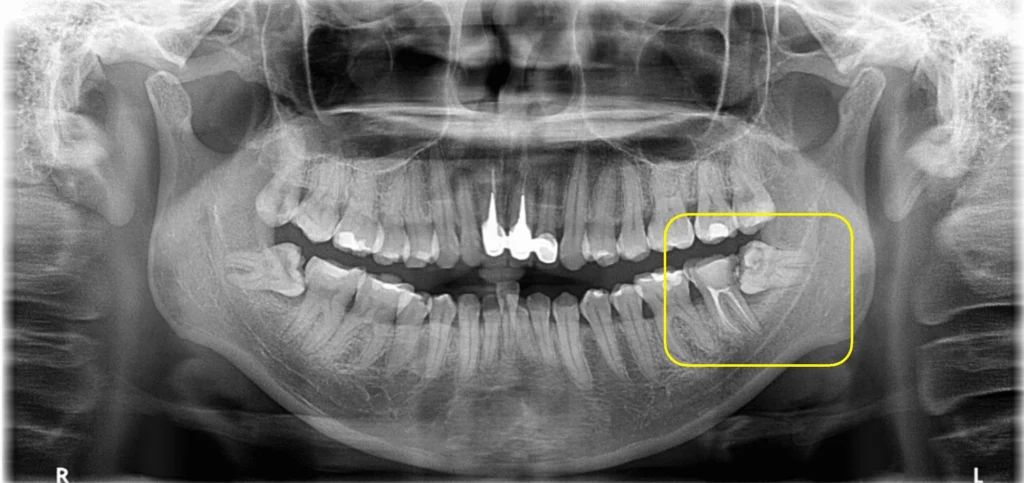
l then return to your general dentist for the final crown or onlay.
- If the tooth was completed in one visit and only needs a crown, this second appointment might be with your general dentist to prepare and place the final restoration.
Is a one-visit root canal safe?
Yes—when the tooth’s condition allows it. Advances in imaging, instruments, and disinfection make single-visit root canals both common and successful. For teeth with minimal infection and accessible canals, finishing in one session can be efficient and comfortable. For teeth with heavy infection or challenging anatomy, a multi-visit approach lets medicated dressings work between appointments, potentially reducing bacteria and improving outcomes. Your provider chooses the method that fits your situation best.
Do more visits mean better results?
Not necessarily. Success rates are high for both single- and multi-visit treatments when properly performed. The deciding factors are less about the number of visits and more about thorough cleaning, effective disinfection, and proper sealing. What matters most is a tailored approach and a well-sealed final restoration.
When a third visit might be needed
While it’s less common, some scenarios benefit from a third visit:
- Persistent drainage or symptoms require additional disinfection time.
- Complex retreatments where removing existing posts or broken instruments is time-consuming.
- Teeth with unusual anatomy that demand careful, staged treatment.
- Coordination with other dental procedures, such as placing a buildup before a crown.
Don’t forget the final crown
A root canal saves the inside of your tooth. The final restoration protects the outside. Many back teeth need a crown after a root canal to prevent cracks and restore full function. This crown appointment is usually separate and scheduled with your general dentist. Some offices offer same-day crowns, while others require a short wait while the crown is fabricated. Until the crown is placed, avoid chewing hard foods on that tooth to prevent fractures or loss of the temporary filling.
What you can do to keep visits to a minimum
- See a dentist early: Treating problems when they’re smaller often means simpler, faster care.
- Follow post-visit instructions: Take prescribed medications as directed, keep the area clean, and avoid chewing on the treated tooth until advised.
- Report symptoms between visits: If pain worsens or the temporary comes loose, call the office so adjustments can be made promptly.
- Plan for the crown: Schedule your restorative appointment soon after the root canal to protect your investment and prevent reinfection through a temporary.
What to expect in terms of comfort
Most people find root canal visits surprisingly manageable. With modern anesthesia and gentle techniques, you should be comfortable during the procedure. Afterward, mild soreness is common and typically improves within a couple of days. Over-the-counter pain relievers are often enough unless your dentist advises otherwise. Any severe pain, swelling, or prolonged discomfort should be reported right away.
Bottom line
- Most root canals require one or two visits for the internal treatment.
- Add one more appointment for the final crown or restoration in many cases.
- The exact number depends on infection, tooth anatomy, previous treatment, and your comfort.
- Your dentist or endodontist will recommend the most efficient, safe plan to get you out of pain, protect your tooth, and minimize the total time in the chair.
If you’re unsure how your case will be handled, ask your provider to walk you through their plan. A clear understanding of the steps—and why they’re chosen—goes a long way in making the process smooth and stress-free.
















