









Dental Care in Shenzhen: An Honest Patient Review
I moved to Shenzhen expecting cutting-edge tech, lightning-fast logistics, and great food. I didn’t expect to learn so much about local dental care—but a nagging molar and a chipped filling pushed me to book an appointment. What follows is a candid, first-hand review of my experience as a patient seeking dental care in Shenzhen, along with practical tips to help you decide if this city is a good fit for your oral health needs.
Finding a dentist in a new city can be daunting, but Shenzhen makes the search surprisingly smooth. I started with a mix of Chinese and English search terms—“dentist in Shenzhen,” “dental clinic Shenzhen,” “口腔医院”—and read through both expat forums and local reviews. I noticed a clear difference between hospital-based stomatology departments and private clinics: hospitals offered wider services and sometimes more standardized protocols, while private clinics leaned into convenience and more personalized service. English-speaking staff were available in many places, particularly in areas like Futian and Nanshan, but I still checked in advance. Booking was easy via phone or WeChat, and I received a confirmation message with directions and a pre-appointment questionnaire.
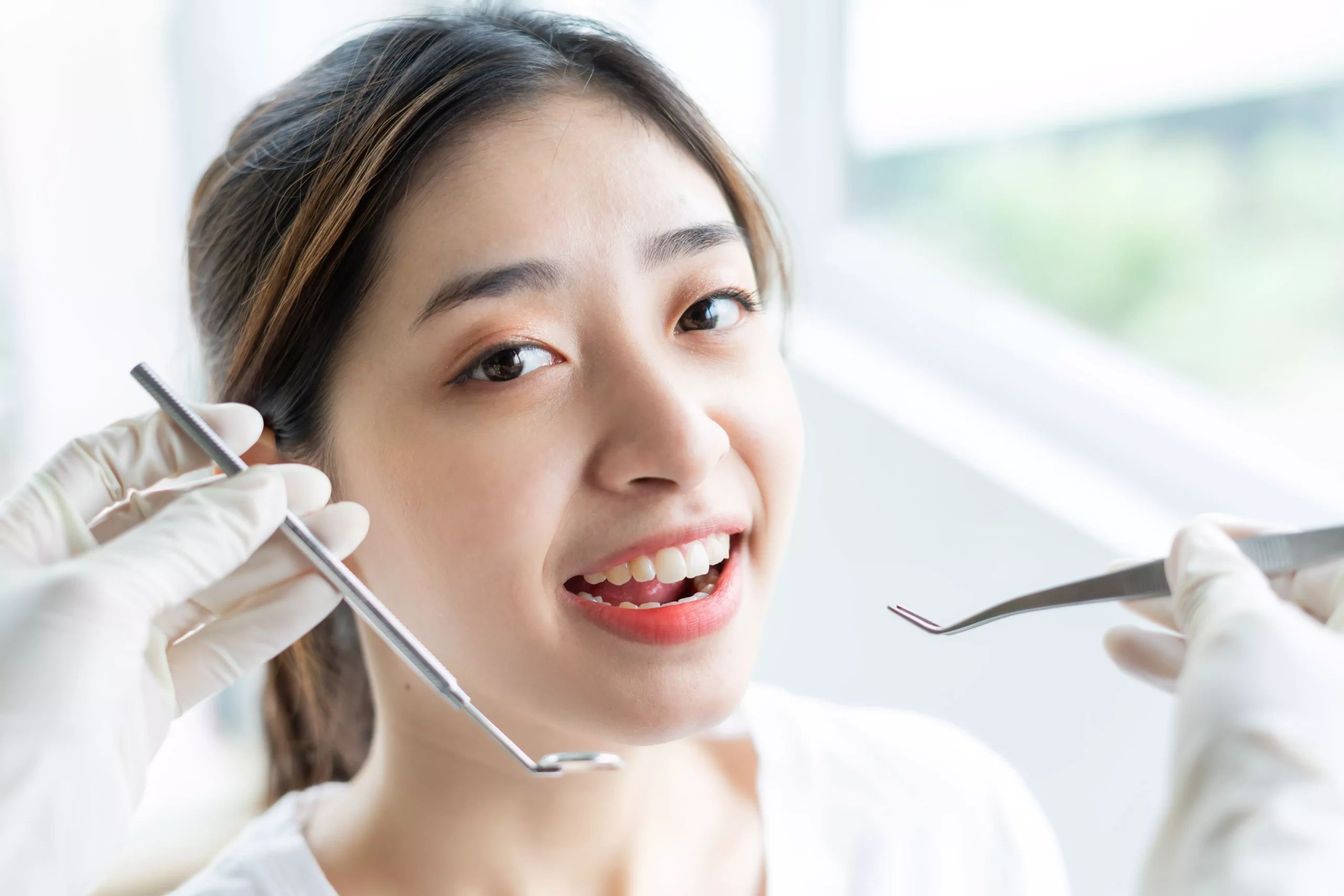
My first impression when I arrived: spotless, modern, and efficient. Check-in took just a couple of minutes, and I was asked about allergies, medical history, and previous dental work. The clinic provided a clear explanation of consent forms in both Chinese and English. The waiting area was calm—no loud TV, no chaos—and the hygienic protocols stood out: instruments came in sealed pouches, staff wore proper PPE, and the chairs looked freshly disinfected. I was offered shoe covers and a disposable bib, small details that made me feel that hygiene was taken seriously.
The consultation began with a quick scan using an intraoral camera and digital X-rays. The dentist walked me through images on a screen, pointing out tartar buildup and a hairline crack in my old filling. I appreciated the straightforward conversation: no scare tactics, no rush to intervention. The treatment plan included a deep cleaning (scaling and polishing), replacing a compromised filling, and a discussion about whether a root canal might be necessary down the line if symptoms worsened. The dentist explained options, materials, and pros and cons, and checked in often to make sure I understood—an important detail for anyone anxious about dental visits or dealing with a language barrier.
The cleaning itself was thorough but not rough. The hygienist used an ultrasonic scaler and was attentive to sensitive spots, pausing when needed. I didn’t feel rushed, and polishing was meticulous. My gums were a bit tender afterward—as expected—but I received clear aftercare guidance, including how to manage sensitivity and what to avoid for 24 hours. For the filling, local anesthesia was administered gently, and it took effect quickly. A rubber dam was used, which I was happy to see; it keeps the field dry and reduces contamination. The dentist layered composite carefully, checking occlusion multiple times before final polishing. I was in and out in under two hours, with a short break between procedures.
One aspect that impressed me was transparency. Even though I’m not listing prices, I can say that I received an itemized treatment plan before anything began, with all steps explained in plain language. Payment options were flexible—bank card and mobile pay were accepted—and I was offered a detailed invoice. Some clinics in Shenzhen can directly bill certain insurers, but not all. In my case, I paid upfront and submitted my claim independently. If insurance is crucial, call ahead and confirm direct billing arrangements.
Language-wise, I had li
ttle trouble. My dentist spoke functional English, and the nurse stepped in with translation for any complex terms. Consent forms and aftercare instructions were provided in bilingual format. That said, English proficiency can vary, especially in busier public hospitals, so it’s wise to ask beforehand or bring key phrases and medical history translated. I also appreciated that the clinic documented everything digitally; X-rays and photos were sent to me via WeChat after the visit, which made follow-ups and second opinions easier.
A few realities to keep in mind. Peak hours can be crowded, especially around weekends and evenings. Booking a morning appointment helped me avoid delays. Also, while most clinics I researched were careful and ethical, there’s always a risk of over-treating anywhere in the world. Don’t hesitate to ask questions like: Is this urgent? What are the alternatives? What happens if I wait three months? I found that good clinics in Shenzhen welcomed those questions and offered conservative options when appropriate.
For families, Shenzhen is accommodating. Many clinics have pediatric specialists and calm, kid-friendly spaces. Orthodontic consultations are commonly available, and you can discuss various treatment systems and timelines without pressure. If you have dental anxiety, ask about comfort measures; some clinics offer noise-canceling headphones, numbing gels, and extra time for breaks. Sedation is more specialized—call ahead if that’s a deciding factor for you.
Emergency care is accessible. When I chipped a tooth a few months later, I was seen the same day. The dentist stabilized the tooth, smoothed sharp edges, and scheduled a definitive repair within the week. The triage process felt orderly, and they prioritized pain and infection cases appropriately.
Sterilization and safety deserve a final nod. Across my visits, I consistently saw sealed instruments opened chairside, high-temperature sterilization logs on display, and strict surface disinfection. Digital radiography kept radiation low, and staff cleanly managed sharps and disposables. This attention to protocol inspired confidence.
Pros:
- Modern equipment and clear imaging
- Easy booking and reliable reminders
- Strong hygiene standards and visible sterilization
- Transparent treatment plans and itemized documentation
- Good availability of English-speaking staff in central districts
Cons:
- English proficiency varies by clinic and provider
- Peak-time crowding can lead to longer waits
- Insurance direct billing is not universal
- Quality and approach vary, so due diligence matters
Practical tips for first-timers:
- Verify credentials and look for clinics with licensed stomatologists and experienced hygienists.
- Bring previous X-rays or records if you have them; digital files save time and money.
- Book morning slots to reduce wait times and provider fatigue.
- Be explicit about allergies, sensitivities, and anxiety—ask for numbing gel or extra time if needed.
- Request a rubber dam for fillings and ask to see images that justify treatment.
- Clarify the full plan: steps, materials, expected outcomes, and what happens if symptoms persist.
- Keep digital copies of invoices and images for insurance or future visits.
My bottom line: Dental care in Shenzhen is capable, modern, and patient-friendly when you choose thoughtfully. From booking to aftercare, I felt informed and respected, and the clinical standards matched or exceeded what I’ve seen in other major cities. If you’re living in or visiting Shenzhen and need dental work—whether it’s a routine cleaning or a more involved procedure—you can expect a professional experience. Do your homework, ask questions, and you’re likely to find a dentist who prioritizes your comfort and long-term oral health.
















