









Veneers in Shenzhen: A Complete Step-by-Step Guide 2026
Thinking about upgrading your smile in one of China’s most modern cities? Shenzhen has become a go-to destination for high-quality veneer treatment, thanks to its tech-forward clinics, internationally trained dentists, and efficient digital workflows. This guide walks you through the entire veneers journey in Shenzhen for 2026, from candidacy and planning to aftercare and long-term maintenance—without the guesswork.
Why Shenzhen for veneers
Shenzhen combines world-class dental technology with convenient access. You’ll find veneer specialists across Futian, Nanshan, Luohu, and Shekou, many offering bilingual support in English and Mandarin. Clinics commonly use digital smile design (DSD), intraoral scanners, 3D printing, and CAD/CAM milling, which means precise results and streamlined timelines. Whether you’re local or visiting from abroad, Shenzhen’s transportation network and dense cluster of clinics make scheduling and follow-up straightforward.
Who is a good candidate
Veneers are thin shells bonded to the front of your teeth to improve color, shape, and alignment. You may be a strong candidate if you have:
- Stubborn discoloration not responding to whitening
- Chips, small cracks, or worn edges
- Gaps or slightly crooked teeth
- Asymmetry or teeth that look too small
You’ll need healthy gums and sufficient enamel. If you grind your teeth, a night guard is usually recommended to protect your veneers. For severe misalignment or weak tooth structure, your dentist may suggest aligners or crowns instead.
Veneer options in 2026
- Porcelain (lithium disilicate): Highly aesthetic and durable, excellent translucency and stain resistance.
- Ultra-thin or minimal-prep porcelain: Newer ceramics allow very conservative tooth preparation and, in select cases, no-prep placement.
- Composite resin: Faster and more budget-friendly, often done in one visit; can stain and may need more maintenance over time.
- Hybrid workflows: Digital scans with lab-crafted porcelain, and 3D printed temporaries for precise previews.
The step-by-step process
1) Initial inquiry and pre-consult
Share photos, describe your goals, and note any dental concerns. Many Shenzhen clinics offer virtual pre-consults to discuss options and timelines.
2) Comprehensive in-person consultation
Expect an oral exam, gum health assessment, bite analysis, and records including:
- Intraoral and facial photos
- Digital scans or impressions
- X-rays if needed to check roots and bone
This is where you’ll align on shade, shape, and how many teeth to veneer—you might focus on the visible “smile zone.”
3) Digital smile design and mock-up
Using DSD and AI-assisted planning, your dentist maps tooth proportions to your face. You may try a temporary “mock-up” placed over your teeth to preview the look and refine details before any permanent steps.
4) Tooth preparation
For porcelain veneers, a very thin layer of enamel may be shaped to make room for the veneers. Local anesthesia keeps you comfortable. Ultra-thin options may require minimal or no prep, depending on your case.
5) Scanning and shade selection
Your dentist captures precise digital scans and selects the shade. Tiny details like translucency and surface texture are communicated to the lab to match your natural teeth.
6) Temporaries
If your teeth were prepared, you’ll receive temporary veneers—often 3D printed—to protect your teeth and let you “test drive” the look. Follow care guidelines and avoid hard or sticky foods.
7) Fabrication
In 2026, many Shenzhen clinics use advanced labs or in-house CAD/CAM. Standard porcelain veneers typically take a few days to a week. Some cases qualify for same-day or next-day veneers using chairside milling; complex esthetics may still require a lab for layered ceramics.
8) Try-in and bonding
You’ll try in your veneers to check fit, color, and smile line. After any adjustments, the teeth are cleaned and isolated. The veneers are etched and bonded with resin cement, then cured with light.
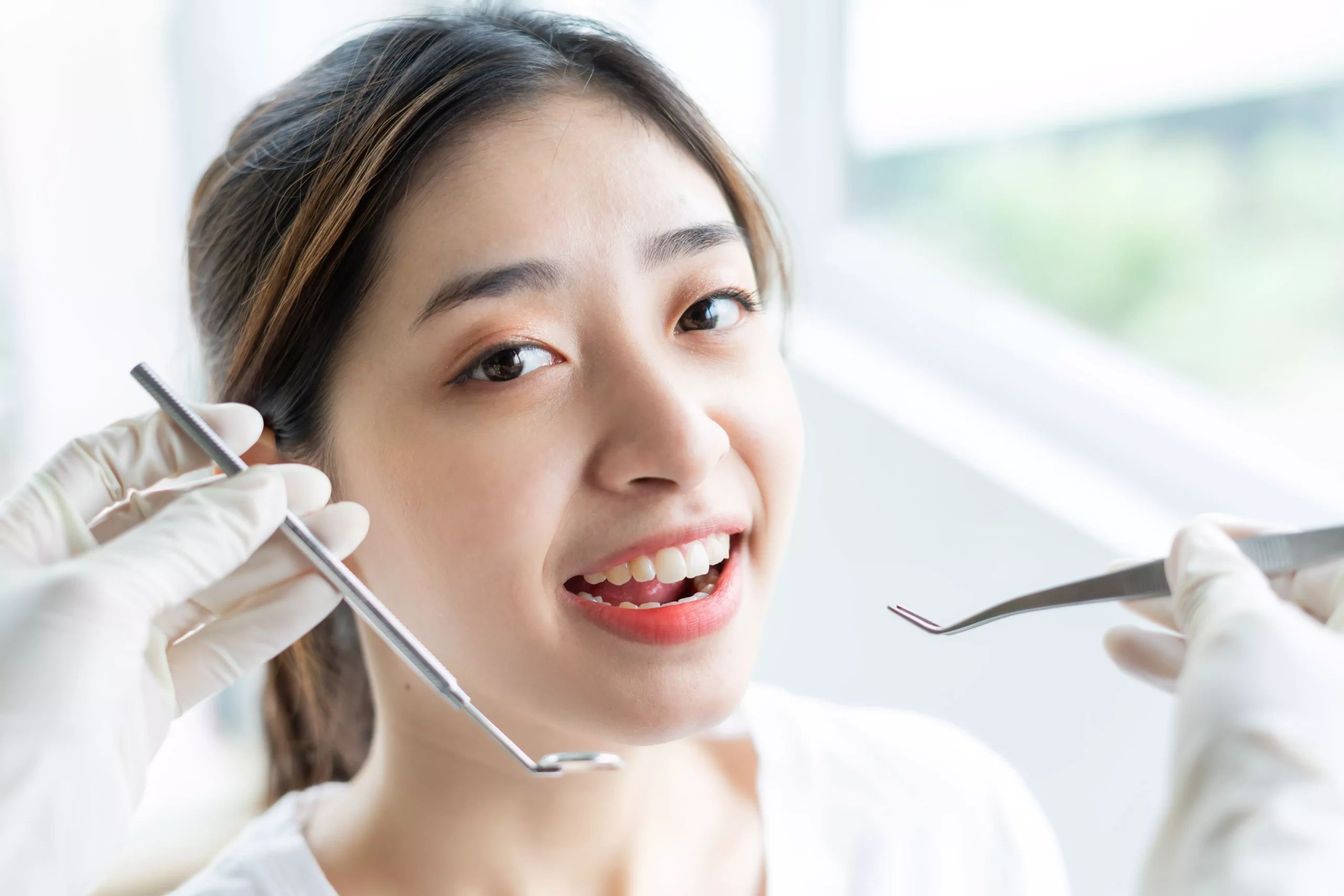
The dentist polishes margins and checks your bite.
9) Post-op check
A follow-up in about one to two weeks ensures proper bite, comfort, and gum health. Any minor tweaks are made here.
Timeline at a glance
- Consultation to mock-up: same day to 2 days
- Preparation and temporaries: 1 visit
- Lab time: typically 2–7 days (case dependent)
- Final bonding: 1 visit
- Follow-up: 1 visit
Some clinics offer accelerated plans if you’re visiting Shenzhen for a short period, but plan a small buffer for adjustments.
Aftercare and longevity
- Brush and floss daily; use a non-abrasive toothpaste
- Avoid biting hard objects (ice, pens) and minimize very sticky foods
- Limit frequent exposure to strong pigments; porcelain resists stains, but surrounding tooth edges can discolor if hygiene is lax
- Wear a night guard if you grind
- Schedule check-ups and cleanings every six months
With proper care, porcelain veneers often last 10–15 years or longer. If a veneer chips, it may be repaired or replaced.
Risks and limitations
- Enamel removal is typically irreversible
- Rare sensitivity after preparation, usually temporary
- Veneers do not respond to whitening; choose your shade carefully
- Gum recession over time may expose margins and require maintenance
- Fracture risk exists, especially with heavy bite forces
Ask about material choices, bonding protocols, and any workmanship warranties.
How to choose a veneer clinic in Shenzhen
- Credentials: Look for dentists with cosmetic or prosthodontic training and a robust portfolio of before-and-after cases
- Technology: DSD, intraoral scanning, CAD/CAM, quality photography, and microscopes for precision
- Lab quality: Collaborations with reputable labs experienced in high-end ceramics
- Sterilization: Clear cross-infection protocols
- Communication: Bilingual support and transparent treatment plans
- Reviews and case galleries: Pay attention to smiles similar to yours
- Logistics: Convenient location in Futian, Nanshan, Luohu, or near your accommodation; easy metro access
- Support: Clear aftercare instructions, emergency contact, and follow-up scheduling
If you have dental insurance, ask whether your clinic can provide itemized documentation for potential reimbursement.
What to prepare before your visit
- Recent dental records and a list of medications
- Notes about your desired smile (photos can help)
- Time buffer for follow-ups and adjustments
- Pause whitening for two weeks before shade selection
- If traveling, bring retainers/night guards you currently use
Alternatives to veneers
- Professional whitening for color improvement
- Cosmetic bonding for small chips or gaps
- Clear aligners for alignment issues
- Crowns when a tooth is heavily damaged or already has large restorations
FAQs
Does it hurt?
Veneer preparation is typically comfortable with local anesthesia. Mild sensitivity may occur and usually fades quickly.
Are veneers reversible?
In most cases, no. Minimal-prep or no-prep options are more conservative, but still consider them a long-term commitment.
Can smokers get veneers?
Yes, but smoking increases gum risks and can stain the edges. Quitting or reducing helps longevity.
Can veneers be whitened later?
No. Whitening does not change veneer color; it only affects natural teeth.
Are veneers covered by insurance?
Veneers are generally considered cosmetic. Check your policy for partial coverage of related procedures.
2026 trends to watch in Shenzhen
- Ultra-thin ceramics enabling more conservative prep
- AI-guided smile design for faster, more predictable planning
- Same-day chairside-milled veneers for suitable cases
- 3D printed temporaries that closely mimic final esthetics
- Eco-conscious labs and biocompatible bonding materials
Your next step
If you’re searching for a veneer dentist in Shenzhen, start with a consultation and a digital smile preview. A thoughtful plan, supported by modern technology and meticulous craftsmanship, turns the process from intimidating to exciting—and helps you achieve a natural-looking smile that lasts.
















