









Root Canal Tooth: Dont Ignore These Warning Signs
Tooth pain has a way of hijacking your day—and your sleep. While not every ache means trouble, certain symptoms can point to a deeper problem inside the tooth that may require a root canal. Knowing the warning signs can help you act early, relieve pain, and save your natural tooth.
What a Root Canal Really Is
A root canal is a common dental treatment that removes infected or inflamed pulp (the soft tissue with nerves and blood vessels) from inside your tooth. The space is cleaned, disinfected, and sealed to stop the infection and protect the tooth. If you’ve heard scary stories, take heart: modern root canal treatment is designed to be comfortable, and many patients say it feels similar to getting a standard filling.
Why a Tooth Might Need a Root Canal
Deep decay, repeated dental procedures on the same tooth, a crack or chip, or trauma can let bacteria reach the pulp. Once the pulp is infected or irreversibly inflamed, it can’t heal on its own. Without treatment, the infection can spread beyond the tooth, causing more serious problems.
Warning Signs You Shouldn’t Ignore
Pay attention to these red flags. If you notice one or more, contact your dentist promptly:
- Lingering sensitivity to hot or cold that lasts more than a minute, especially if it’s getting worse.
- Spontaneous toothache that flares up without an obvious trigger, or wakes you at night.
- Sharp pain when chewing, biting, or tapping the tooth.
- Swelling in the gums or face near a specific tooth.
- A pimple-like bump (gum boil) on the gums that may ooze or recur.
- Darkening or discoloration of a single tooth following trauma or decay.
- Persistent bad taste or bad breath that doesn’t improve with brushing.
- A cracked or chipped tooth with new pain or sensitivity.
- Tender or swollen lymph nodes under the jaw in combination with tooth pain.
Not every toothache requires a root canal. For example, brief sensitivity to cold might be due to gum recession or a small cavity. Sinus issues can also mimic upper tooth pain. That’s why a timely exam is essential.
What Happens If You Wait
Delaying treatment can allow the infection to spread from the tooth tip into the surrounding bone, forming an abscess. Signs include throbbing pain, swelling, and sometimes fever. Untreated abscesses can damage bone, loosen teeth, and in rare cases lead to serious systemic infections. Early care usually means simpler treatment and a better chance of saving the tooth.
How Dentists Diagnose a Root Canal Problem
Your dentist will ask about your symptoms, perform tests, and take X-rays. Common evaluations include:
- Thermal tests to see how long the tooth reacts to hot or cold
.
- Percussion (light tapping) to check for tenderness.
- Gentle pressure tests and bite assessments.
- Pulp vitality tests to gauge blood flow to the tooth.
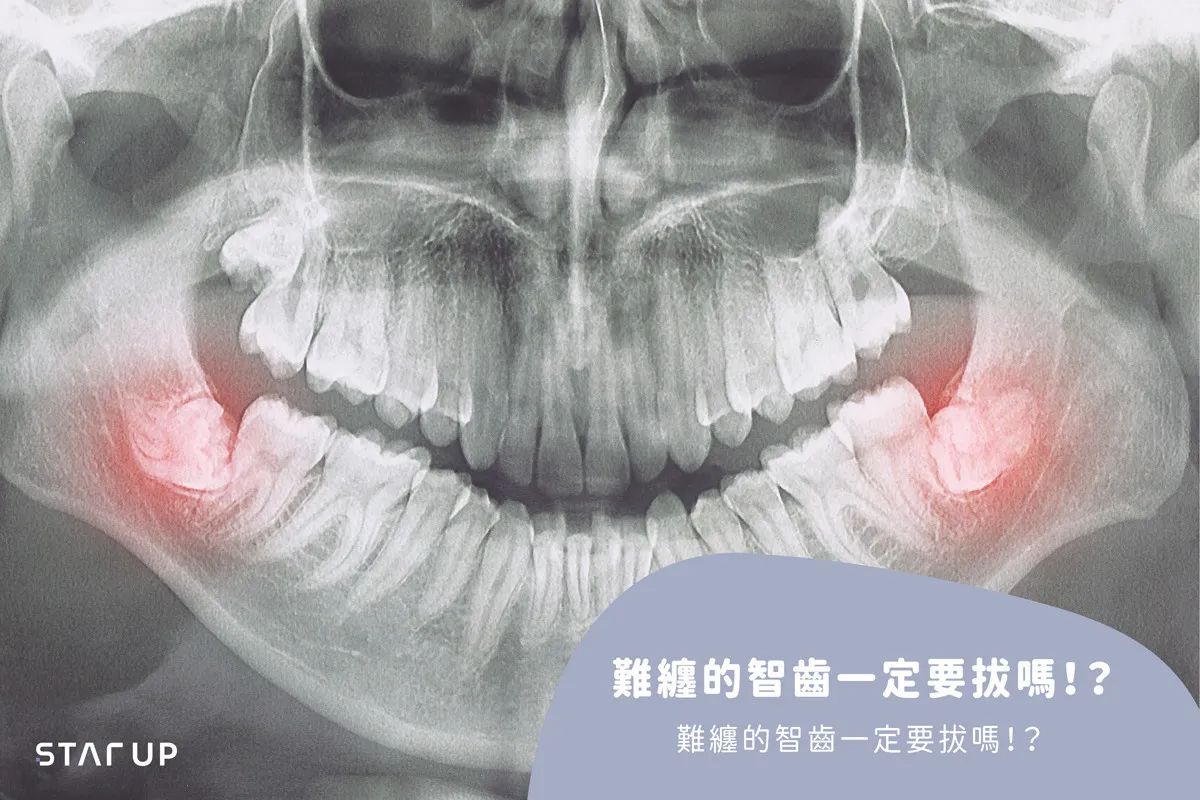
- Radiographs to look for deep decay, cracks, and changes around the root tip.
Sometimes your dentist may refer you to an endodontist—a specialist in root canal treatment—especially for complex roots or cracked teeth.
What Root Canal Treatment Involves
Here’s what you can expect during a typical appointment:
- Numbing: Local anesthesia ensures you’re comfortable.
- Access: A small opening is made to reach the pulp chamber.
- Cleaning: Fine instruments and disinfecting solutions remove infected tissue and bacteria from the canals.
- Shaping and filling: The canals are shaped and sealed with a biocompatible material to prevent re-infection.
- Temporary or permanent restoration: A temporary filling is placed, and many teeth—especially molars—benefit from a crown later to restore strength and function.
After treatment, mild tenderness is common for a few days and usually managed with over-the-counter pain relievers, unless your dentist advises otherwise. Follow-up and a well-fitting crown are key to long-term success.
Will It Hurt?
With modern anesthesia and techniques, most patients report minimal discomfort during the procedure and relief from their original pain soon after. If you’re nervous, talk to your dentist—options like calming techniques or sedation may be available.
Caring for a Root Canal Tooth
Once restored, a root canal tooth can last many years with good care:
- Brush twice daily with fluoride toothpaste and floss every day.
- Avoid chewing hard items (ice, pens) that can crack teeth.
- Wear a nightguard if you grind your teeth.
- Keep up with regular dental checkups and cleanings.
- Get a crown when recommended to protect the tooth from fracture.
Prevention Tips to Avoid Root Canal Problems
While accidents happen, you can lower your risk:
- Treat cavities early before decay reaches the pulp.
- Manage dry mouth and acid reflux, which increase decay risk.
- Use a mouthguard for contact sports.
- Address clenching and grinding promptly.
- Limit frequent snacking on sugary or acidic foods and drinks, and rinse with water after consuming them.
The Bottom Line
If you’re noticing lingering sensitivity, spontaneous tooth pain, swelling, or a gum boil, don’t wait it out. These warning signs suggest the pulp may be in trouble and a root canal could be the solution to save your tooth. Early diagnosis and treatment not only relieve pain but also protect your overall oral health. When in doubt, call your dentist—getting answers quickly is the best step toward feeling better and keeping your smile healthy.
















