









Bleeding Root Canal: Symptoms, Causes & Treatment 2026
Seeing blood after a root canal can be unsettling, especially if you were expecting instant relief. The good news is that a small amount of bleeding can be normal, and most cases are manageable with simple steps and follow-up care. In 2026, modern endodontic techniques make it easier than ever to control bleeding, pinpoint its source, and protect the tooth for the long term. Here’s what you need to know.
What a “bleeding root canal” really means
A root canal treats the tooth’s pulp—blood vessels and nerves—by cleaning it out, disinfecting the canals, and sealing them. Because the pulp is vascular, some bleeding can occur during or shortly after the procedure. You might notice pink-tinged saliva, a bit of oozing from the access site, or bleeding from the surrounding gums. The key is distinguishing normal, short-lived bleeding from signs that something needs attention.
Common symptoms you may notice
- Mild pink saliva or a small spot of blood on your gauze shortly after treatment
- Oozing from the gum around the treated tooth, especially if the clamps or instruments irritated the tissue
- Tenderness when biting or tapping on the tooth
- A metallic taste in the mouth if blood mixes with saliva
- Swelling or warmth around the tooth (less common, but important to monitor)
When to be concerned:
- Bleeding that doesn’t slow down within a few hours or continues beyond 24 hours
- Bright red bleeding that increases rather than decreases
- Significant swelling, throbbing pain, or fever
- Foul taste or odor from the tooth
- Bleeding that seems to come through the temporary filling
If you notice any of these, contact your dentist or endodontist promptly.
Why bleeding happens after a root canal
Several factors can lead to bleeding, and not all are serious. Some of the most common include:
- Inflammation: An inflamed or infected pulp (pulpitis) and the tissues around the root tip (periapical tissues) are more likely to bleed when the area is accessed and cleaned.
- Gum irritation: Rubber dam clamps, instruments, or retraction can irritate or nick the gums, causing temporary gingival bleeding.
- Over-instrumentation: If the cleaning instruments go slightly beyond the tip of the root, the surrounding tissues may bleed.
- Perforation or cracks: A small perforation in the canal wall or a pre-existing crack can lead to bleeding that needs professional attention.
- Medications and health conditions: Blood thinners, certain supplements, and bleeding disorders can prolong bleeding. Pregnancy-related gingival changes can also make gums more prone to bleeding.
- Residual pulp tissue: If a bit of pulp remains, it may bleed until the canal is fully cleaned and sealed.
- Periodontal disease: Gum disease around the tooth can bleed independently of the canal.
How dentists control bleeding during treatment
Modern endodontics is equipped with several safe, effective methods to stop bleeding and complete your root canal successfully:
- Careful irrigation: Antiseptic solutions like sodium hypochlorite help disinfect and provide hemostasis inside the canal.
- Paper points and gentle pressure: These absorb moisture and blood from the canals without traumatizing tissues.
- Hemostatic agents: Dentists may use topical agents or medicated pellets to help constrict blood vessels and control oozing.
- Calcium hydroxide or bioceramic materials: These can calm the tissues and create a better environment for sealing the canal.
- Occlusal adjustment: Reducing high bite forces on the treated tooth can lessen post-op irritation and bleeding.
- Micro-surgical techniques: If bleeding stems from the root tip or a small perforation, targeted microsurgical measures may be used.
In 2026, many clinics routinely use
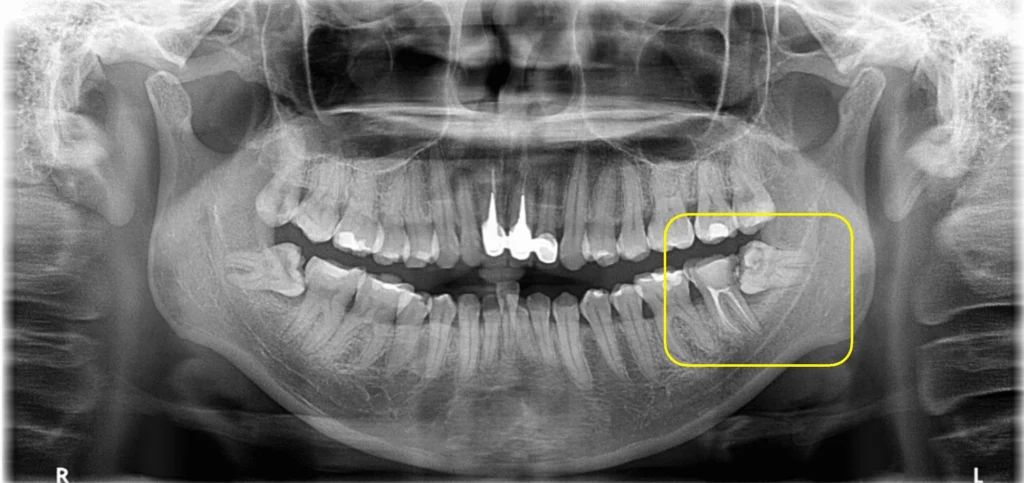
dental microscopes, cone-beam CT imaging, advanced apex locators, and activated irrigation systems to improve accuracy and reduce trauma. Bioceramic sealers, now widely adopted, are biocompatible and promote better tissue healing, which can reduce persistent oozing.
What you can do at home
- Apply gentle pressure: Bite on clean gauze for 20–30 minutes if you see minor bleeding. Replace as needed.
- Keep your head elevated: Sleep with an extra pillow the first night to minimize throbbing and oozing.
- Avoid heat and alcohol: Hot drinks and alcohol can dilate blood vessels and worsen bleeding. Choose cool or room-temperature fluids.
- Stick to soft foods: Avoid hard, crunchy, or sticky foods that can dislodge a temporary filling or irritate tissues.
- Don’t spit or use straws vigorously: Negative pressure can disturb the clot. Let saliva drip or wipe it gently.
- Rinse gently after 24 hours: A mild saltwater rinse can soothe tissues, but avoid vigorous swishing.
- Use pain relievers as directed: Over-the-counter options like acetaminophen or ibuprofen (if appropriate for you) can help with discomfort.
When bleeding is coming from the gums rather than the canal
It’s common to confuse gum bleeding with canal bleeding. Gum bleeding typically shows up when brushing or flossing and may come from a specific point along the gumline. Canal-related bleeding may seem to originate from the access cavity on the tooth or show as moisture beneath the temporary filling. If your gums are tender or puffy, improving oral hygiene and being gentle around the area can help, but let your dentist know if the bleeding persists.
Complications to watch for
While rare, ongoing bleeding can signal:
- A persistent infection or flare-up
- A missed canal or residual pulp tissue
- A perforation or vertical root fracture
- Advanced gum disease around the tooth
Prompt evaluation helps prevent complications like abscess formation or delayed healing.
Prevention and best practices
- Share your medical history: Tell your dentist about blood thinners, supplements, or bleeding disorders before treatment.
- Manage gum health: Treat gingivitis or periodontitis to reduce gum bleeding around the treated tooth.
- Precision during treatment: Your provider will use apex locators, imaging, and careful instrumentation to avoid overworking the canal.
- Interim medications: In some cases, a medicated dressing is placed between visits to calm tissues before final sealing.
- Timely restoration: Completing the permanent crown or filling on schedule helps seal the tooth and protect healing tissues.
What’s new in 2026
- Better visualization and guidance: High-definition microscopes and widespread CBCT use help clinicians identify unusual anatomy and avoid over-instrumentation that can lead to bleeding.
- Activated irrigation: Ultrasonic and laser-activated irrigation improve cleaning with less mechanical trauma, aiding hemostasis.
- Bioceramic sealers and hydraulic techniques: These materials are now mainstream, offering superior sealing and biocompatibility, which supports healthy tissue response.
- Regenerative approaches for select cases: For immature teeth or specific defects, regenerative endodontic procedures can encourage tissue healing and growth, under strict protocols.
Bottom line
A little bleeding after a root canal is usually temporary and not a cause for alarm. Keep pressure on the area, follow your post-op instructions, and monitor for any signs that bleeding is increasing or accompanied by swelling, pain, or fever. If anything feels off—or if bleeding persists beyond a day—call your dentist or endodontist. With today’s techniques and materials, even stubborn cases can be managed effectively, helping you keep your tooth comfortable and healthy for the long term.
















