









Swollen Gum at the Root: When to See a Dentist – Save
Noticing a swollen gum at the root of a tooth can be alarming. Maybe it’s tender when you chew, puffy to the touch, or you spot a small bump that wasn’t there yesterday. While not every case is an emergency, gum swelling around the base of a tooth often signals that something needs attention. Knowing when to watch and when to see a dentist can help you save your tooth, your comfort, and your time.
What causes a swollen gum at the root?
Several issues can inflame the gum tissue around a specific tooth:
- Plaque buildup and gingivitis: Irritated gums can swell, especially where brushing and flossing miss.
- Periodontal (gum) disease: Deeper infection around the tooth’s supporting structures leads to persistent swelling and bleeding.
- Gum abscess (periodontal abscess): Pus forms in a pocket beside the tooth, often painful and swollen.
- Tooth infection (periapical abscess): A deep cavity or cracked tooth lets bacteria into the pulp, causing swelling near the root.
- Food impaction: A popcorn hull or seed trapped under the gum can trigger localized inflammation.
- Erupting or partially erupted wisdom tooth (pericoronitis): Tissue around a partially emerged tooth becomes swollen and sore.
- Trauma or irritation: Brushing too hard, sharp edges, or orthodontic wires can inflame the gum.
- Hormonal shifts and health conditions: Pregnancy, diabetes, and certain medications can make gums more reactive.
- Sinus pressure: Upper teeth sometimes feel sore with sinus congestion, though this usually affects several teeth, not just one root.
Red flags: See a dentist urgently
Don’t wait if you notice any of the following. Call a dentist the same day, and seek urgent care if symptoms are severe.
- Facial swelling, swelling that spreads, or swelling that makes it hard to open your mouth
- Fever, chills, or feeling unwell
- Throbbing pain that keeps you up at night or worsens quickly
- A pimple-like bump on the gum that drains pus or a bad taste in your mouth
- Difficulty swallowing or breathing
- A loose tooth, trauma, or a cracked tooth
- Swelling that does not improve within 24 to 48 hours
These signs can indicate an abscess or spreading infection. Dental infections do not resolve on their own and can become serious. Early treatment can save the tooth and protect your overall health.
When it can wait a short time
Schedule a dental appointment soon (within a few days) if:
- The gum is mildly swollen or tender around one tooth
- There’s occasional bleeding when brushing or flossing
- You suspect food is stuck under the gum
- You recently started orthodontic treatment and have localized irritation
Even if symptoms are mild, it’s smart to get checked. Small issues are easier and less invasive to treat than advanced infections.
What you can do at home right now
These steps may ease discomfort, but they are not substitutes for professional care if symptoms are significant or persistent.
- Rinse with warm saltwater: Mix half a teaspoon of salt in a cup of warm water and swish gently for 30 seconds, two to three times daily.
- Clean gently but thoroughly: Use a soft-bristled brush. Floss carefully around the sore area
to remove trapped food. Interdental brushes or a water flosser can help if floss is uncomfortable.
- Cold compress: Apply a cold pack to the outside of your cheek for 10 to 15 minutes to reduce swelling.
- Over-the-counter pain relief: Use as directed on the label. Do not place aspirin directly on the gum.
- Stick to soft, cool foods and stay hydrated. Avoid very hot, spicy, or crunchy foods.
- Avoid smoking and alcohol-based mouth rinses, which can irritate tissue.
If you see pus, have severe pain, or symptoms worsen, stop home care and contact a dentist immediately.
What your dentist might do
Your dentist will examine the gum and tooth, take a history, and may order X-rays to see the roots and bone. Depending on the cause, treatment may include:
- Professional cleaning or deep cleaning to remove plaque and tartar below the gumline
- Draining an abscess and irrigating the area to relieve pressure
- Addressing decay or a cracked tooth; a root canal may be recommended to treat a tooth infection
- Adjusting your bite or smoothing a rough edge that irritates the gum
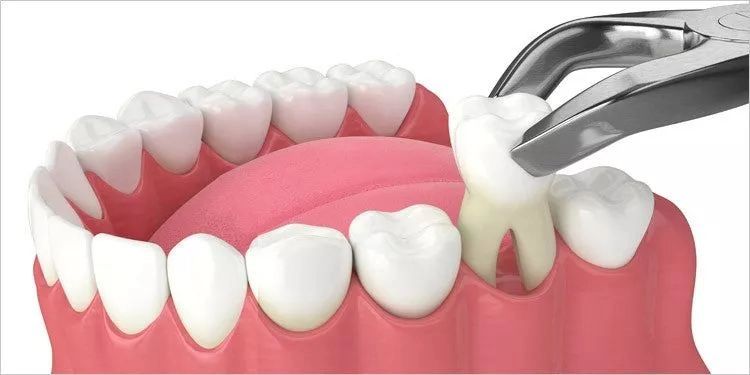
- Treating pericoronitis around a wisdom tooth; sometimes extraction is advised if the tooth is impacted or repeatedly inflamed
- Prescribing medication when appropriate as an adjunct to dental treatment
You’ll also get guidance on home care to prevent recurrence.
How to prevent gum swelling around a tooth
- Brush twice daily with a soft brush for two minutes, angling bristles toward the gumline
- Clean between teeth every day with floss or interdental brushes
- Use fluoride toothpaste; consider an antimicrobial rinse if recommended by your dentist
- Replace your toothbrush every three to four months or sooner if bristles fray
- Limit frequent sugary snacks and acidic drinks
- Stay on top of regular dental checkups and cleanings
- Manage health conditions like diabetes and discuss medications that affect your gums with your healthcare provider
- Wear a mouthguard if you grind your teeth or play contact sports
- If you’re pregnant, keep up with dental visits—healthy gums are safe and important during pregnancy
Common questions
- Is a swollen gum always an infection? Not always. Irritation, trapped food, or a minor injury can cause temporary swelling. But if swelling is localized to one tooth and persists, it’s wise to get it checked.
- Can it go away on its own? Mild irritation might improve with better cleaning and saltwater rinses. Swelling from an abscess or tooth infection will not resolve without dental treatment.
- Could it be related to braces or a retainer? Yes. Hardware can trap plaque or rub the gum. Your orthodontist and dentist can adjust appliances and help you clean effectively.
- Is it dangerous? A dental infection can spread and become serious. Prompt care is the safest approach and increases the chance of saving the tooth.
Bottom line
A swollen gum at the root is your mouth’s way of saying something needs attention. If pain is severe, swelling spreads, or you notice pus, don’t wait—see a dentist right away. For mild swelling, step up your home care and book a prompt appointment. Acting early can save your tooth, safeguard your health, and get you back to smiling comfortably.
















