









Dental Necrosis: How Serious? Next Steps to Take 2026
If your dentist mentioned “dental necrosis” or you suspect you have a “dead tooth,” it can sound alarming. The good news: with prompt care, many teeth can be saved and pain can be controlled quickly. This guide explains what dental necrosis is, how serious it can be, and the practical steps to take in 2026 to protect your health and your smile.
What dental necrosis actually means
Dental necrosis (also called pulp necrosis or tooth necrosis) means the living tissue inside your tooth—the pulp containing nerves and blood vessels—has died. A necrotic tooth is considered non-vital. While the outer enamel may look intact, the inside can’t respond to infection or injury, which raises the risk of pain, abscesses, and bone loss around the root.
How serious is it?
Necrosis itself isn’t always painful, but the consequences can be. Without treatment, bacteria can multiply inside the dead tooth and spread beyond the root tip. Possible complications include:
- Local abscess with swelling, throbbing pain, and a bad taste
- A gum “pimple” (sinus tract) that drains pus
- Bone loss around the root and loosening of the tooth
- Infection spreading to the face, jaw, or sinus
- Fever and, in rare cases, serious systemic infection
For people with diabetes, heart conditions, or weakened immune systems, untreated dental infections carry higher risks. During pregnancy, dental infections should be addressed promptly to protect both parent and baby. Bottom line: dental necrosis is not a wait-and-see situation; it’s a treat-now situation.
Symptoms to watch for
Signs can vary, and sometimes there’s surprisingly little pain. Common symptoms include:
- Tooth discoloration (gray, brown, or yellow)
- Sensitivity that used to be intense but then disappears as the nerve dies
- Swelling of the gums or face
- A persistent bad taste or bad breath
- A small pimple on the gum that comes and goes
- Pain when biting or tapping the tooth
- Deep decay, a crack, or a history of trauma to that tooth
What causes dental necrosis?
- Deep tooth decay that reaches the pulp
- Trauma (sports injuries, accidents) that severs the tooth’s blood supply
- Cracks and large fractures
- Repeated procedures on the same tooth
- Severe grinding or clenching (bruxism)
- Advanced gum disease exposing the roots
How dentists diagnose it in 2026
Expect a combination of:
- Clinical exam and history (pain patterns, trauma history)
- Vitality tests (cold test, electric pulp testing)
- Percussion and biting tests to check inflammation around the root
- Dental X-rays to assess bone changes; some cases may benefit from 3D CBCT imaging for hidden canals or cracks
Diagnosis is not based on color alone; a discolored tooth can be vital, and a normal-looking tooth can be necrotic.
What to do next: A step-by-step plan
1) Call a dentist or endodontist promptly
Aim to be seen within 24–48 hours if you suspect necrosis. If your face is swelling or pain is severe, ask for an urgent appointment.
2) Manage symptoms safely
- Take over-the-counter pain relievers as directed by your medical provider.
- Use a cold compress on the cheek for swelling.
- Keep the area clean: gentle brushing and flossing.
- Avoid very hot foods and chewing on that side.
- Do not pop a gum pimple; it can spread infection.
3) Know when to seek immediate care
Go to urgent care or an emergency department if you have:
- Fever, malaise, or rapidly increasing swelling
- Difficulty swallowing, breathing, or opening your mouth
- Swelling spreading to the eye, neck, or floor of the mouth
4) Understand that antibiotics are not a cure
Antibiotics may be prescribed for spreading infections or systemic symptoms, but they don’t fix the source. Definitive dental treatment is what resolves the problem.
Treatment options your dentist may recommend
- Root canal therapy: The most common way to save a necrotic tooth. The dentist or endodontist cleans out the infected pulp, disinfects the canals, and seals them to prevent reinfection. A crown is often recommended afterward to strengthen the tooth.
- Retreatment or apical surgery: If a previous root canal has failed, nonsurgical retreatment or a procedure called apicoectomy (treating the tip of the root) may be considered.
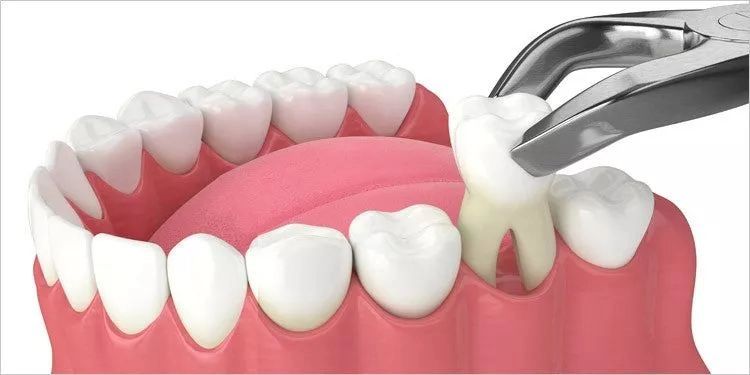
- Extraction and replacement: If the tooth is too damaged or cracked to save, removal may be the best option. Replacement choices include an implant, a bridge, or a removable partial denture. Your dentist will review the pros and cons based on your bite, bone, and oral health.
- Special situations: In younger patients with developing roots, regenerative endodontic procedures may be considered to encourage continued root development.
Recovery and follow-up
After root canal or extraction, most people feel notably better within days. Follow your dentist’s instructions on eating, cleaning, and medications. Expect a follow-up visit and periodic X-rays—often around 6–12 months—to confirm healing of the bone around the root.
Prevention tips to reduce the risk of necrosis
- Brush twice daily with fluoride toothpaste and floss once daily
- See your dentist regularly for exams and X-rays to catch decay early
- Wear a custom mouthguard for contact sports
- Address grinding or clenching with a nightguard and stress management
- Treat cavities and cracks promptly before they reach the pulp
- Manage systemic conditions like diabetes and stop smoking to support healing
FAQs
Is a “dead tooth” always black?
No. Some necrotic teeth look normal or only slightly darker. Conversely, a dark tooth isn’t always dead. Testing and imaging confirm the diagnosis.
Can a necrotic tooth “come back to life”?
Once the pulp is necrotic, it doesn’t regenerate on its own. The goal is to eliminate infection and preserve the tooth structure with root canal therapy when possible.
Do I need antibiotics?
Not always. Antibiotics are reserved for signs of spreading infection or systemic symptoms. Definitive dental treatment is the key.
Can I whiten a dead tooth?
External whitening won’t treat the cause and can lead to sensitivity or uneven results. If the tooth is saved with a root canal, your dentist may discuss internal bleaching or a crown for color and strength.
How long can I wait?
Delaying treatment raises the risk of pain, abscess, bone loss, and tooth loss. If you suspect dental necrosis, call a dentist as soon as possible.
The takeaway for 2026
Dental necrosis is common, treatable, and time-sensitive. Modern diagnostics and endodontic techniques give you a strong chance to save the tooth and prevent complications. If you notice discoloration, swelling, a gum pimple, or a tooth that went from very sensitive to oddly numb, schedule an exam promptly. Early action is the easiest, safest, and most cost-effective way to protect your health and your smile.
















