









Tired Root Canal: Causes, Risks & What to Expect 2026
If you’ve found yourself Googling “tired root canal,” you’re not alone. Many people use this phrase to describe two related experiences: feeling worn out after a root canal procedure, or having a tooth that still feels “tired,” tender, or not quite right after treatment. The good news is that most root canals are routine, pain-managed, and highly successful. In 2026, advances in imaging, instruments, and disinfection have made the process more precise and comfortable than ever. Here’s a clear, down-to-earth guide to what causes that “tired” feeling, the real risks to know, and what you can expect before, during, and after your appointment.
What “Tired Root Canal” Really Means
- Post-procedure fatigue: It’s common to feel physically and mentally drained after dental work. Long appointments, jaw opening, stress, or sedation can leave you tired.
- Tooth soreness or bite tenderness: The treated tooth and surrounding ligaments can feel tender for a few days to a week. This is normal healing.
- Lingering symptoms: If discomfort persists beyond two weeks, you develop swelling, or a pimple-like bump appears on your gum, it may indicate residual infection or a need for follow-up care.
Common Causes Leading to a Root Canal
Root canal therapy treats the inflamed or infected pulp inside a tooth, saving the natural tooth structure. Typical causes include:
- Deep decay reaching the nerve
- Cracks or fractures from trauma or biting hard objects
- Repeated dental procedures on the same tooth
- Large fillings that stress the tooth
- Clenching or grinding (bruxism)
- Advanced gum disease spreading to the root
Why You Might Feel “Tired” Afterward
- Inflammation: Cleaning and shaping the canals can irritate tissues near the root tip, causing short-term soreness or sensitivity when biting.
- Muscle fatigue: Holding your mouth open can overwork jaw muscles, leading to a tired, achy feeling.
- Stress response: Dental anxiety can trigger physical fatigue afterward.
- Bite changes: A temporary filling or an uncrowned tooth may feel “off” until the final restoration is placed and the bite is adjusted.
Risks to Understand in 2026
Root canals carry risks, but modern tools help reduce them. Your dentist or endodontist will discuss specifics for your case. Potential risks include:
- Temporary pain, swelling, or bruising
- Persistent infection requiring retreatment or an apicoectomy (root-end surgery)
- Canal anatomy challenges that complicate cleaning
- Instrument separation (a file breaking in the canal), which may or may not affect outcomes
- Tooth fractures, especially in teeth not protected by a crown
- Perforation (rare), where an opening occurs in the root or tooth wall
- Allergic reactions to materials (uncommon)
- Reinfection if decay re-enters or a crown leaks over time
What’s New and Notable in 2026
- 3D imaging with low-dose CBCT: More accurate diagnosis, fewer surprises.
- Guided endodontics: 3D-printed guides help access calcified canals with minimal tooth removal.
- Bioceramic sealers: Strong, biocompatible materials that seal better and support healing.
- Ultrasonic and laser-assisted disinfection: Enhanced bacterial removal beyond traditional irrigation.
- Minimally invasive instrumentation: Preserves more tooth structure, reducing fracture risk.
- AI-supported diagnostics: Improves interpretation of imaging and detection of complex canals.
- Teledentistry for follow-ups: Convenient check-ins to monitor healing.
What to Expect:
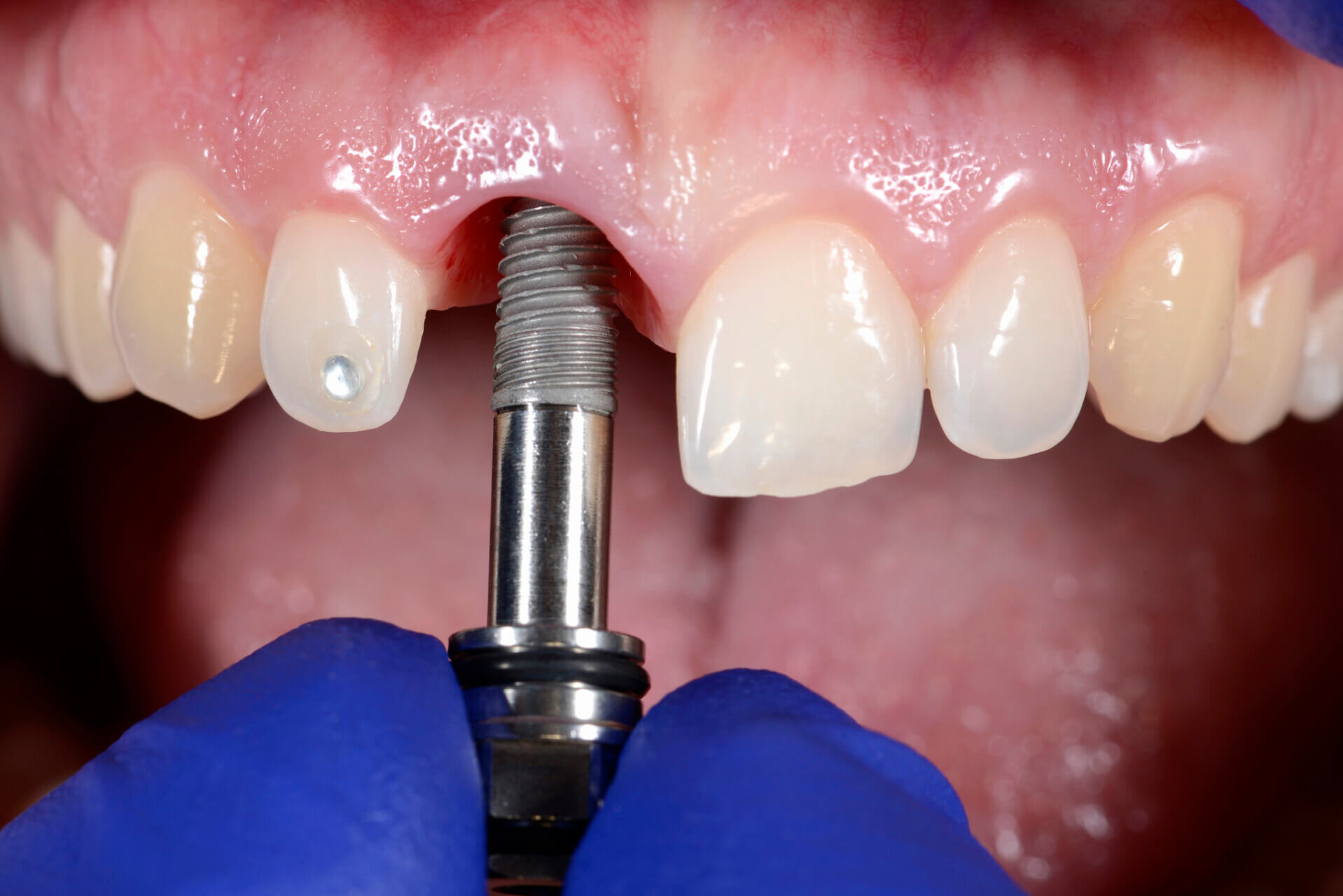
Step-by-Step
Before the procedure:
- Assessment: A clinical exam plus digital X-rays or CBCT to map canals and detect cracks.
- Discussion: Your provider explains options, risks, and whether a single-visit or multi-visit approach makes sense.
- Comfort plan: Local anesthesia is standard; sedation options may be available if you’re anxious.
During the procedure:
- Numbing: You shouldn’t feel sharp pain; tell your provider if you do.
- Isolation: A small rubber dam keeps the area dry and clean.
- Cleaning and shaping: Tiny instruments remove infected pulp and shape canals for filling.
- Disinfection: Irrigants, ultrasonic activation, and sometimes laser disinfection target bacteria.
- Sealing: Canals are filled and sealed; a temporary or permanent filling is placed.
- Restoration plan: Most back teeth will need a crown to prevent cracks and restore strength.
After the procedure:
- Numbness wears off in a few hours.
- Mild soreness peaks in 24–48 hours, typically controlled with over-the-counter pain relievers, unless your dentist advises otherwise.
- Tenderness when chewing is common; avoid hard or sticky foods on that side until fully restored.
- You’ll return for a permanent filling or crown if not completed the same day.
Recovery Timeline and Self-Care
- First 24–72 hours: Expect mild to moderate tenderness. Use recommended pain relief and a cold compress intermittently for swelling if needed.
- Chewing: Favor the opposite side. Avoid nuts, ice, hard candy, and sticky foods until a crown is placed.
- Oral hygiene: Brush gently and floss carefully. Keeping the area clean supports healing.
- Sleep and stress: Rest, hydrate, and manage stress to reduce clenching.
- Follow-up: Don’t delay the final crown; waiting too long raises the risk of cracks and reinfection.
- Red flags: Call your dentist if pain escalates after day three, you see facial swelling, develop a pimple on the gums that drains, have a fever, or notice a bad taste that persists.
When a Root Canal Needs a Second Look
Sometimes, despite best efforts, a tooth remains symptomatic. You may need retreatment or a small surgical procedure if:
- Pain persists beyond two weeks or recurs months later
- There’s swelling, a gum boil, or a sinus tract near the tooth
- Imaging shows missed canals, complex anatomy, or a hidden crack
- A crown or filling leaks, letting bacteria back in
Prevention and Long-Term Care
- Protect your investment: Get the crown promptly and ensure a proper bite.
- Address clenching: A night guard can reduce stress on treated teeth.
- Routine checkups: Professional cleanings and periodic X-rays catch issues early.
- Smart habits: Limit sugary snacks, avoid chewing hard objects, and maintain daily flossing and brushing.
Alternatives to a Root Canal
If a tooth is too damaged, extraction may be recommended. Replacement options include implants, bridges, or partial dentures. Each has pros and cons for durability, maintenance, and preservation of neighboring teeth. Your dentist can help match the best option to your needs.
The Bottom Line
Most “tired root canal” feelings reflect normal healing and the natural fatigue that follows a detailed dental visit. With 2026’s innovations in imaging, instrumentation, and disinfection, root canals are safer, more precise, and more comfortable than ever. Stay in close communication with your dentist, follow aftercare instructions, and complete your final restoration. In most cases, you’ll be back to comfortable chewing—and back to your normal energy—within days.
















