








Dental Implants Pricing: Hong Kong vs Shenzhen Compared
If you live in Hong Kong, it’s only natural to compare getting dental implants locally with crossing the border to Shenzhen. Both cities offer modern clinics and experienced clinicians, yet the total you pay—and the experience you get—can differ in meaningful ways. Instead of chasing a single “cheap vs expensive” narrative, it helps to understand how implant fees are built, what’s included, and how travel and aftercare fit into the picture.
What actually drives the price of a dental implant
- Clinical complexity: A straightforward, single-tooth case is very different from full-arch rehabilitation. Bone grafts, sinus lifts, and extractions add chair time, materials, and surgical skill.
- Materials and systems: Reputable implant systems, custom abutments, and high-quality crowns carry higher lab and materials costs but can improve fit, durability, and maintainability.
- Technology and planning: CBCT scans, guided surgery, and digital workflows can improve accuracy and outcomes, and they’re reflected in the fee.
- Dentist expertise and time: Surgical skill, prosthetic planning, and follow-up attention are at the heart of good outcomes.
- Clinic overheads and regulations: Rent, staff, sterilization protocols, and compliance all affect pricing and vary by location.
How Hong Kong clinics often structure fees
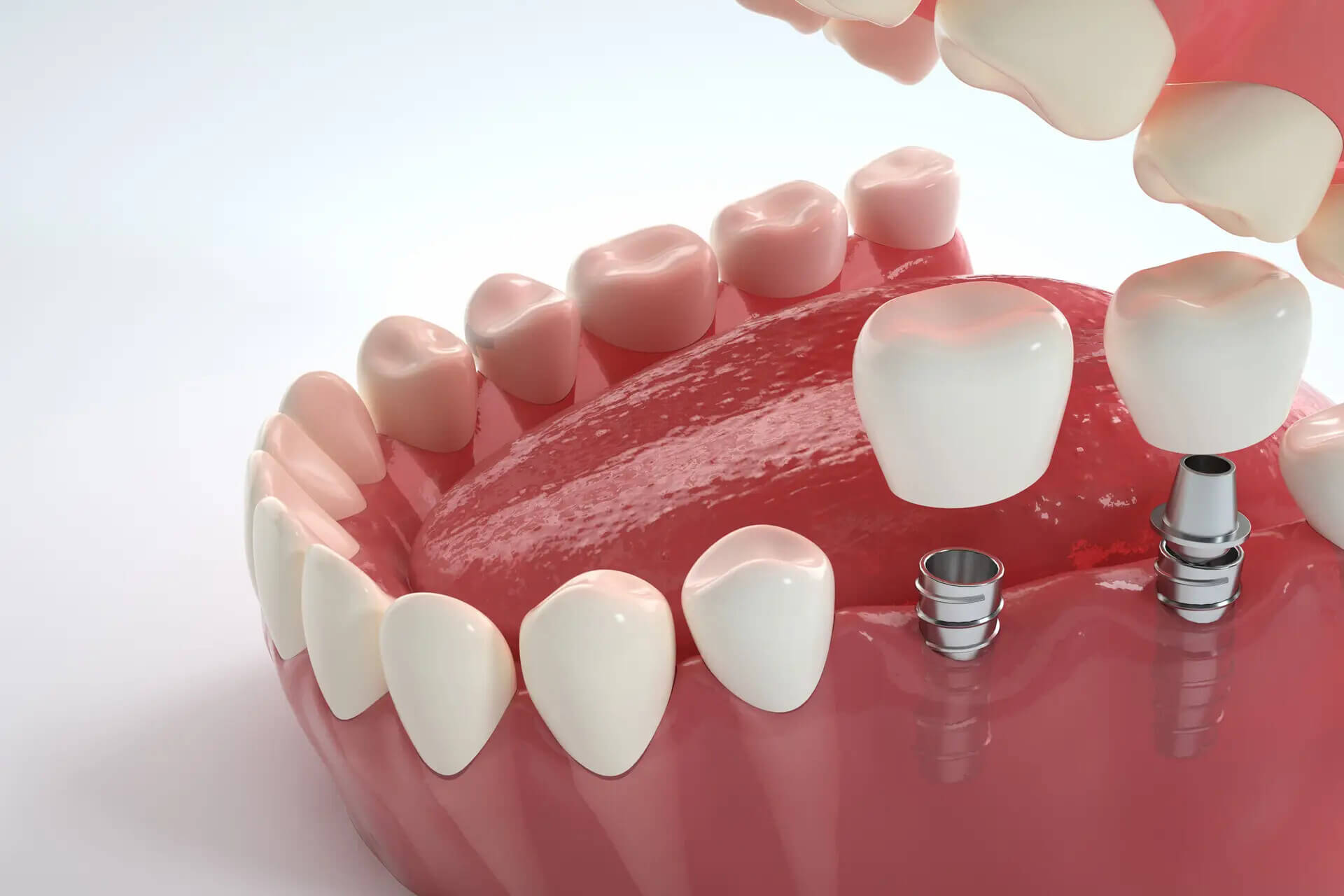
Hong Kong clinics commonly itemize each stage: consultation and imaging, surgical placement, temporary tooth or healing abutment, final abutment, and crown. You may see separate line items for grafting materials, membranes, and extractions. This transparency helps you compare quotes but can make the total feel like a moving target if you’re not familiar with the terminology.
Costs in Hong Kong reflect higher overheads, strong regulatory oversight, and lab work that often uses premium materials and technicians. Many practices offer bilingual care and are accustomed to handling complex cases, managing medical histories, and coordinating with specialists. Appointment punctuality and accessibility are generally strong, and aftercare is convenient if you live or work nearby. For patients who value tight infection-control standards, clear documentation, and straightforward follow-up, local care can be worth the premium.
How Shenzhen clinics often structure fees
In Shenzhen, clinics frequently bundle procedures into packages—implant placement plus abutment and crown—sometimes with promotional add-ons such as imaging or temporary teeth. Lower overheads and economies of scale can translate to competitive quotes, especially for multi-tooth or full-arch cases. Many large clinics invest in advanced technology and multilingual staff, and some are set up as one-stop centers with on-site specialists and labs.
That said, “package” does not always equal “everything.” Read the fine print. Ask whether bone grafts, surgical guides, custom abutments, or premium crown materials are included. Clarify the brand and model of implant system, the warranty terms, and what happens if you need adjustments months down the line.
The travel factor and your timeline
Implants are a journey, not a single visit. From initial exam and scans to surgery, healing, and final restoration, you’re looking at multiple appointments ov
er several months. Crossing the border adds time, transportation costs, and scheduling logistics. If a provisional crown chips or you develop soreness on a weekend, how quickly can you be seen? If most follow-ups will happen in Shenzhen, consider border wait times, holiday periods, and your work schedule. Conversely, if you live in the Greater Bay Area and travel between the two cities frequently, a Shenzhen clinic might fit naturally into your routine.
Comparing quotes fairly: an apples-to-apples checklist
- Is the consultation, CBCT scan, and any blood work included?
- Are extractions, bone grafts, sinus lifts, and membranes priced in, or “as needed”?
- Which implant system is used? Is it widely supported for future maintenance?
- Is the abutment stock or custom? What crown material is specified?
- Are temporaries provided, and how many visits are expected?
- What does the warranty cover (implant, abutment, crown), for how long, and under what conditions?
- How are complications handled? Who pays for retreatment?
- How many follow-up visits are included, and where will they occur?
- What payment schedule is offered? Are there cancellation or rescheduling fees?
Quality and safety signals to look for
Accreditation, sterilization protocols, and clear consent processes matter more than any marketing slogan. Look for:
- A thorough examination with CBCT-based planning.
- A dentist who explains risks, alternatives, and timelines in plain language.
- Photos or case documentation demonstrating similar cases.
- Transparent, written treatment plans with specific materials and brands.
- A structured aftercare program: hygiene visits, occlusion checks, and maintenance advice.
When Shenzhen may offer better value
- Multiple implants or full-arch cases where package efficiencies compound.
- Patients comfortable with cross-border travel who can cluster appointments.
- Those seeking clinics with integrated teams and in-house labs for speed and coordination.
When Hong Kong may be the smarter choice
- Time-sensitive schedules or limited flexibility for travel and border procedures.
- Complex medical histories where coordination with local physicians is wise.
- Patients who want easy access to rapid aftercare and long-term maintenance nearby.
Don’t let “package” or “premium” be the final word
Ultimately, value in dental implants isn’t just what you pay today; it’s the quality of planning, the ease of your journey, and how well your implant functions years from now. Two quotes that look different on paper may be equivalent when you adjust for materials, follow-ups, and travel. Conversely, a lower upfront figure can become more expensive if it excludes essentials or complicates aftercare.
Practical next steps
- Collect detailed, written treatment plans from at least two clinics in each city.
- Use the checklist above to normalize quotes.
- Ask about the surgeon’s experience with your specific case type.
- Consider total cost of ownership: travel, time off work, maintenance, and potential revisions.
Whether you choose Hong Kong or Shenzhen, prioritize trust, clarity, and a team that stands behind its work. A well-planned implant, placed and restored by a coordinated team with a clear aftercare strategy, is almost always the most economical choice in the long run.
















