









Can Root Canal Change Face Shape? A Dentist Explains
If you’ve been told you need a root canal, it’s natural to wonder how it might affect the way you look. Some people worry their face will look different afterward, especially if they’ve seen someone with a swollen cheek from a tooth infection. Here’s the simple truth: a root canal does not change your face shape. In fact, it’s often the treatment that helps your face return to normal when infection has caused swelling or puffiness. As a dentist, I’ll explain what really happens and what you can expect.
What a Root Canal Actually Does
A root canal treats the inside of a tooth when the pulp (the nerve and blood supply) becomes inflamed or infected due to deep decay, cracks, or trauma. During the procedure, the infected tissue is carefully removed, the inside of the roots is disinfected, and the space is sealed to prevent bacteria from returning. On the outside, your tooth structure and the supporting bone and gum remain intact. The goal is to save your natural tooth so your bite and smile stay stable.
Because the treatment is performed inside the tooth, it doesn’t change your bones, muscles, or skin. Those structures are what determine face shape, not the nerve tissue removed during a root canal. If anything, a root canal helps stabilize the foundation of your smile.
Why Some People Think Root Canals Change Face Shape
The confusion usually comes from swelling. When a tooth is infected, the surrounding tissues—including the cheek—can swell, making one side of your face look puffy or asymmetric. That swelling is a sign of inflammation or even an abscess. Once the infection is treated with a root canal, that puffiness goes down as your body heals.
It’s also possible to have mild, short-term swelling after the procedure, especially if there was significant infection beforehand. This isn’t a change in face shape; it’s temporary postoperative inflammation that usually resolves within a few days.
Short-Term Changes: Puffiness vs. Structure
- Pre-treatment infection: Can cause noticeable swelling that distorts facial contour.
- Immediately after treatment: Mild soreness or slight swelling is possible as tissues calm down.
- After healing: Your face returns to its baseline, because the inflammation resolves.
These changes are about fluid and inflammation—think of a sprained ankle that swells—rather than permanent structural shifts.
Long-Term Effects: Root Canals Help Preserve Your Facial Support
If you want to think long term, preserving teeth is key to maintaining your facial support. Teeth play a major role in the vertical dimension of your face (the distance between your nose and chin) and in supporting the lips and cheeks. Losing teeth—especially back teeth—or not replacing them can lead to bite collapse over time, which may subtly change facial contours. A root canal helps you keep your natural tooth and prevents the cascade of changes that can happen after extractions.
In many cases, a tooth that has had
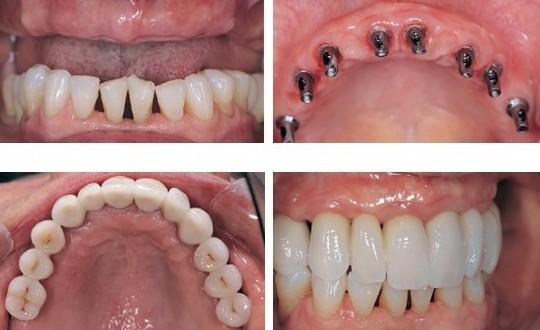
a root canal will need a crown to restore strength and function. That restoration helps distribute bite forces properly and protects the tooth from fracture. A stable bite supports your facial structure.
What About Bone Changes Around the Tooth?
Severe infections can cause a small area of bone loss around the tip of the root. After a successful root canal, the infection resolves and bone typically regenerates over several months. This healing isn’t something you see in the mirror—dentists track it with X-rays. It doesn’t alter your overall facial shape.
When Face Shape Does Change
Significant changes in facial appearance usually come from factors other than a root canal, such as:
- Multiple missing teeth without replacement, which can reduce lip support or shorten facial height.
- Orthodontic movement or jaw surgery, which deliberately changes tooth or jaw positions.
- Long-standing bruxism (clenching/grinding) that can enlarge the masseter muscles, making the jawline look bulkier.
- Major infections or facial trauma that affect soft tissues and bone.
A root canal is not in this category. It’s a conservative procedure aimed at curing infection and preserving the tooth.
What to Expect After a Root Canal
Most patients return to normal activities the same day or the next. You may notice:
- Tenderness when chewing for a few days.
- Mild sensitivity or swelling if there was significant infection.
- Relief from the deep, throbbing pain caused by the infected nerve.
Helpful home care tips include using an anti-inflammatory as directed by your dentist, applying a cold compress for 10-minute intervals the first day, sleeping with your head slightly elevated, and avoiding chewing on the treated tooth until your final restoration is placed.
When to Call Your Dentist
Reach out promptly if you experience:
- Swelling that worsens after 48 to 72 hours instead of improving.
- Fever, difficulty swallowing, or spreading redness.
- Severe pain that doesn’t respond to recommended medication.
- A broken temporary filling or crown, or if the tooth feels much higher than the others.
These signs don’t mean your face shape is changing; they simply indicate you need an adjustment or additional care for optimal healing.
Keeping Your Face and Smile Healthy
The best way to protect both your smile and facial support is to:
- Treat infections early—delaying care allows problems to grow.
- Complete the final crown or restoration recommended after a root canal.
- Address clenching or grinding with a custom night guard if needed.
- Maintain consistent brushing, flossing, and professional cleanings.
The Bottom Line
A root canal does not change your face shape. If anything, it helps your face look like you again by resolving infection-related swelling and preserving the tooth that supports your bite and facial contours. When performed promptly and followed by a proper restoration, a root canal is one of the most reliable, conservative ways to maintain both oral health and appearance.
















