









Dental Crowns in Shenzhen: A Beginners Guide 2026
Considering a dental crown in Shenzhen? You’re in the right place. Shenzhen’s clinics are known for modern equipment, skilled clinicians, and efficient workflows—often with bilingual teams and digital technology that streamlines appointments. This beginner-friendly guide walks you through what crowns are, how the process works in 2026, how to choose a clinic, and how to care for your new crown once it’s in place.
What is a dental crown?
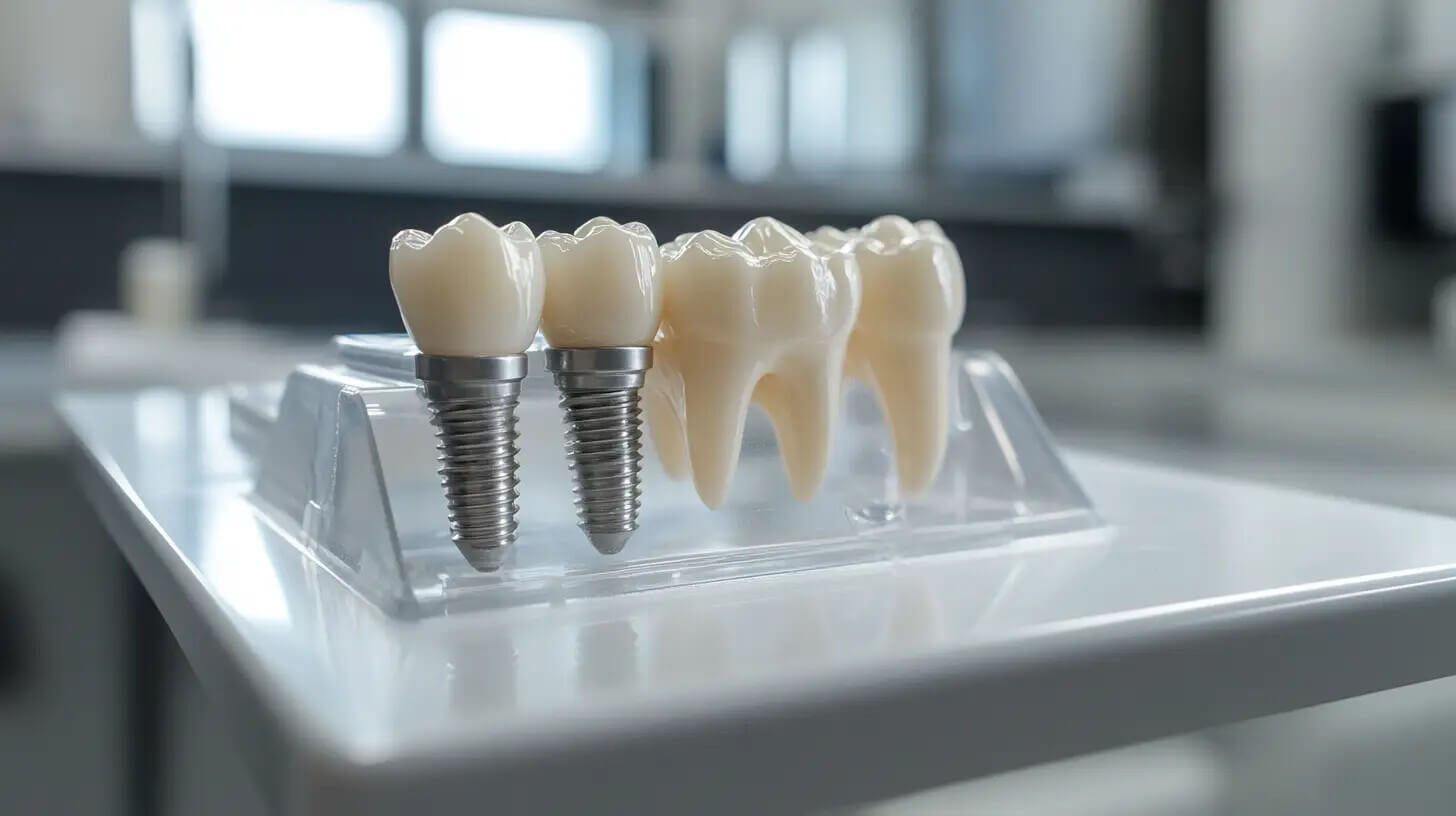
A crown is a custom-made cap that covers a damaged or weakened tooth above the gumline. It restores shape, strength, and function while improving appearance. If a tooth has large decay, cracks, a root canal, heavy wear, or a big old filling that’s failing, a crown may be recommended. Crowns are also used on top of dental implants to replace missing teeth.
Common crown materials in 2026
- All-ceramic (e.g., lithium disilicate): Natural-looking and strong, ideal for front teeth and many back-tooth cases.
- Zirconia (monolithic or layered): Very strong, increasingly aesthetic, great for molars and patients who grind.
- Porcelain-fused-to-metal (PFM): Durable with a metal substructure and porcelain exterior; time-tested, though gums may show a dark line over the years.
- Full metal (e.g., gold alloy): Extremely durable and gentle on opposing teeth; used mostly for out-of-sight molars.
Your dentist will match material to your needs: front vs. back tooth, bite force, cosmetic goals, and any history of clenching/grinding.
How the crown process works in Shenzhen
1) Consultation and assessment: Expect a clinical exam, X-rays, and often an intraoral scan. Many Shenzhen clinics now use digital workflows, which means fewer messy impressions and improved precision.
2) Treatment planning: Your dentist will discuss options, materials, and the sequence—especially if a root canal, gum contouring, or implant work is involved.
3) Tooth preparation: The tooth is shaped under local anesthesia so the crown can fit properly. If decay is deep, the dentist may build up the tooth first.
4) Temporary crown: You’ll usually leave with a temporary crown to protect the tooth while the final one is made. Some clinics offer same-day crowns with chairside CAD/CAM milling.
5) Fabrication: The final crown is made either in-house (same day or next day) or at a partner lab (often 3–7 business days).
6) Fitting and cementation: The dentist tries in the crown, checks the bite, adjusts as needed, and cements it. They’ll review care instructions and schedule a follow-up if necessary.
How long does it take?
- Traditional pathway: Typically two visits over 1–2 weeks.
- Same-day option: In some clinics, you can receive a scan, preparation, and a milled crown in one appointment. This depends on case complexity and clinic setup.
- After a root canal: Your dentist may recommend a brief healing period before finalizing the crown.
Choosing a clinic and dentist in Shenzhen
- Credentials and experience: Look for dentists with restorative or prosthodontic expertise and a track record with the material you’re considering.
- Technology: Intraoral scanners, digital photography, and CAD/CAM systems can improve accuracy and reduce chair time.
- On-site vs. partner lab: In-house milling can speed things up; partner labs can offer a wider range of materials and artistry. Both can deliver excellent results when well-managed.
- Communication and language: Many clinics in districts like Futian, Nanshan, and Luohu offer English-speaking support. Clear communication is key for aesthetics and aftercare.
- St
erilization and safety: Ask about infection control protocols and how they handle medical history or allergies.
- Follow-up and warranty: Understand policies for adjustments, repairs, or replacement if the crown fractures or debonds.
What to expect after your appointment
Numbing wears off in a few hours. Mild sensitivity or gum tenderness is normal for a couple of days. With a temporary crown, avoid sticky or very hard foods and chew on the other side. Floss carefully—slide the floss out through the side rather than snapping up to avoid dislodging the temporary. Once you receive the final crown, most people return to normal eating quickly, but it’s smart to introduce hard foods gradually and verify your bite feels even.
Care and longevity
A well-made crown can last 10–15 years or longer with good care. Key habits:
- Brush twice daily and floss around the crown margins where plaque tends to collect.
- Use a fluoride toothpaste; consider a fluoride rinse if your dentist recommends it.
- Schedule check-ups and cleanings every 6 months (or as advised).
- If you grind or clench, wear a night guard to protect both the crown and natural teeth.
- Don’t use your teeth as tools—avoid cracking nutshells, chewing ice, or tearing packages.
Potential risks and how to reduce them
- Sensitivity: Often temporary; desensitizing toothpaste and minor bite adjustments can help.
- Gum irritation: Improve brushing/flossing technique; your dental hygienist can guide you.
- Crown loosening or coming off: Keep the crown safe and contact your clinic promptly; avoid home glues.
- Chipping or fracture: Material choice and a properly balanced bite reduce this risk.
Insurance, records, and scheduling
If you have local or international dental insurance, ask your clinic for treatment codes and detailed invoices for reimbursement. Many Shenzhen clinics can provide digital records, X-rays, and photos for your files. For cross-border patients, plan your schedule to allow for at least two visits if not using a same-day system, and be mindful of public holidays. Clinics commonly use WeChat for appointments and follow-ups, which can simplify communication.
Shenzhen-specific tips
- Location matters: Clinics near major transit hubs (e.g., Futian CBD, High-Speed Rail stations) can simplify logistics.
- Bring your history: Previous X-rays, list of medications, and any allergy information help your dentist tailor care.
- Aesthetic planning: For front teeth, ask about shade-matching in natural light and a try-in appointment to confirm color and shape.
- Ask about brands: It’s reasonable to inquire about the material brand (e.g., zirconia system) and cement type so you know exactly what’s in your mouth.
Quick FAQs
- How long will a crown last? With routine care, many last well over a decade.
- Can crowns be whitened? No. If you plan to whiten your teeth, do it before the crown so the shade can be matched.
- Crown or veneer? Veneers cover only the front surface; crowns cover the whole tooth and are better for heavily damaged teeth.
- Is the procedure painful? You’ll be numbed. Mild soreness after is common but manageable.
- Can I eat with a temporary crown? Yes, but avoid sticky, hard, or very chewy foods until the final crown is placed.
Bottom line
Shenzhen offers a strong mix of technology, expertise, and convenience for dental crowns in 2026. Choose a clinic with transparent communication, the right materials for your case, and a clear plan for follow-up. With thoughtful care and regular check-ups, your crown can look great, feel natural, and keep you smiling for years.
















