









Necrotic Tooth: Dont Ignore These Warning Signs 2026
If a tooth has been bothering you on and off, turning darker, or just doesn’t feel right, don’t brush it off. In 2026, dentists still see the same underlying culprit behind many tooth emergencies: a necrotic tooth, commonly called a “dead tooth.” The earlier you recognize the warning signs and act, the more options you’ll have to save your smile—and avoid a painful, costly, and time‑consuming crisis.
What is a necrotic tooth?
A necrotic tooth is a tooth whose pulp—the soft tissue inside that contains nerves and blood vessels—has died. When the pulp dies (pulp necrosis), the tooth can no longer respond normally to temperature or stimuli, and bacteria can flourish in the root canals, leading to infection and abscess. Despite the name, a “dead” tooth can linger in your mouth for a long time, often quietly causing damage beneath the surface.
Warning signs you shouldn’t ignore
Not every necrotic tooth screams for attention. Some are surprisingly silent. Watch for these red flags:
- Persistent or spontaneous pain: Throbbing pain that wakes you at night or pain that lingers long after hot or cold exposure can be a sign the pulp is inflamed or has died.
- Discoloration: A tooth that turns gray, yellow-brown, or noticeably darker than its neighbors may have internal changes due to pulp death.
- Gum swelling or a pimple on the gum: A small bump (fistula) that drains fluid, swelling near the tooth, or tenderness along the gum line are signs of infection.
- Bad taste or odor: A foul taste that recurs without clear cause can come from drainage of an abscess.
- Sensitivity to biting or pressure: Pain when chewing or tapping the tooth points to inflammation around the root tip.
- Looseness: A tooth that feels mobile without obvious trauma deserves attention.
- Reduced or no response to cold: A tooth that used to “zing” with cold but now feels nothing can be a clue the nerve has died.
- Facial swelling, fever, or swollen lymph nodes: These are red flags for spreading infection and require urgent care.
Why it happens
Tooth pulp can die for several reasons. The most common are:
- Deep tooth decay: Untreated cavities eventually reach the pulp, leading to infection and necrosis.
- Cracks and fractures: A crack can provide a direct pathway for bacteria, even if the crack is too small to see.
- Dental trauma: A blow to the mouth (sports, accidents) can disrupt the blood supply and lead to pulp death weeks or months later.
- Advanced gum disease: Infections around the tooth root can affect the pulp over time.
- Bruxism (grinding): Chronic stress on teeth can lead to microcracks and inflammation.
- Repeated dental work on the same tooth: Multiple procedures can stress the pulp and increase risk.
What happens if you wait
Delaying care allows bacteria to multiply in the root canals and spread to the bone and surrounding tissues. Complications can include:
- Painful abscess formation and bone loss around the tooth
- Swelling that can affect the face or jaw
- Sinus involvement for upper teeth
- Systemic effects like fever and malaise
- In severe cases, a spreading infection that may become a medical emergency
Bottom line: a necrotic tooth doesn’t heal on its own. Waiting rarely reduces the need for treatment—and often narrows your options.
What to do next
- Pay attention to patterns: Note what triggers pain, how long it lasts, and any visible changes.
- Call a dentist promptly: Describe your symptoms, especially swelling, fever, or a gum pimple.
These details help prioritize your appointment.
- Seek urgent care for warning signs of a spreading infection: fever, facial swelling, difficulty swallowing or breathing, or severe pain.
How dentists diagnose a necrotic tooth in 2026
Modern diagnostics make it faster to pinpoint the problem:
- Clinical exam: Dentists evaluate tenderness, gum changes, and tooth mobility.
- Sensitivity and vitality tests: Cold testing, gentle tapping, and electrical pulp testing help assess nerve status.
- Imaging: Digital X‑rays reveal decay, bone changes, and abscesses. Cone‑beam CT (CBCT) may be used for a 3D view in complex cases.
- Crack detection: Transillumination and magnification can uncover microcracks that standard X‑rays miss.
Treatment options you may hear about
The goal is to clear infection, relieve pain, and preserve function whenever possible:
- Root canal treatment: The dentist or endodontist removes infected tissue, cleans and disinfects the canals, and seals them to prevent reinfection. A crown is often recommended afterward to strengthen the tooth.
- Retreatment or endodontic surgery: If a prior root canal has failed, retreatment or a targeted surgery (apicoectomy) may be considered.
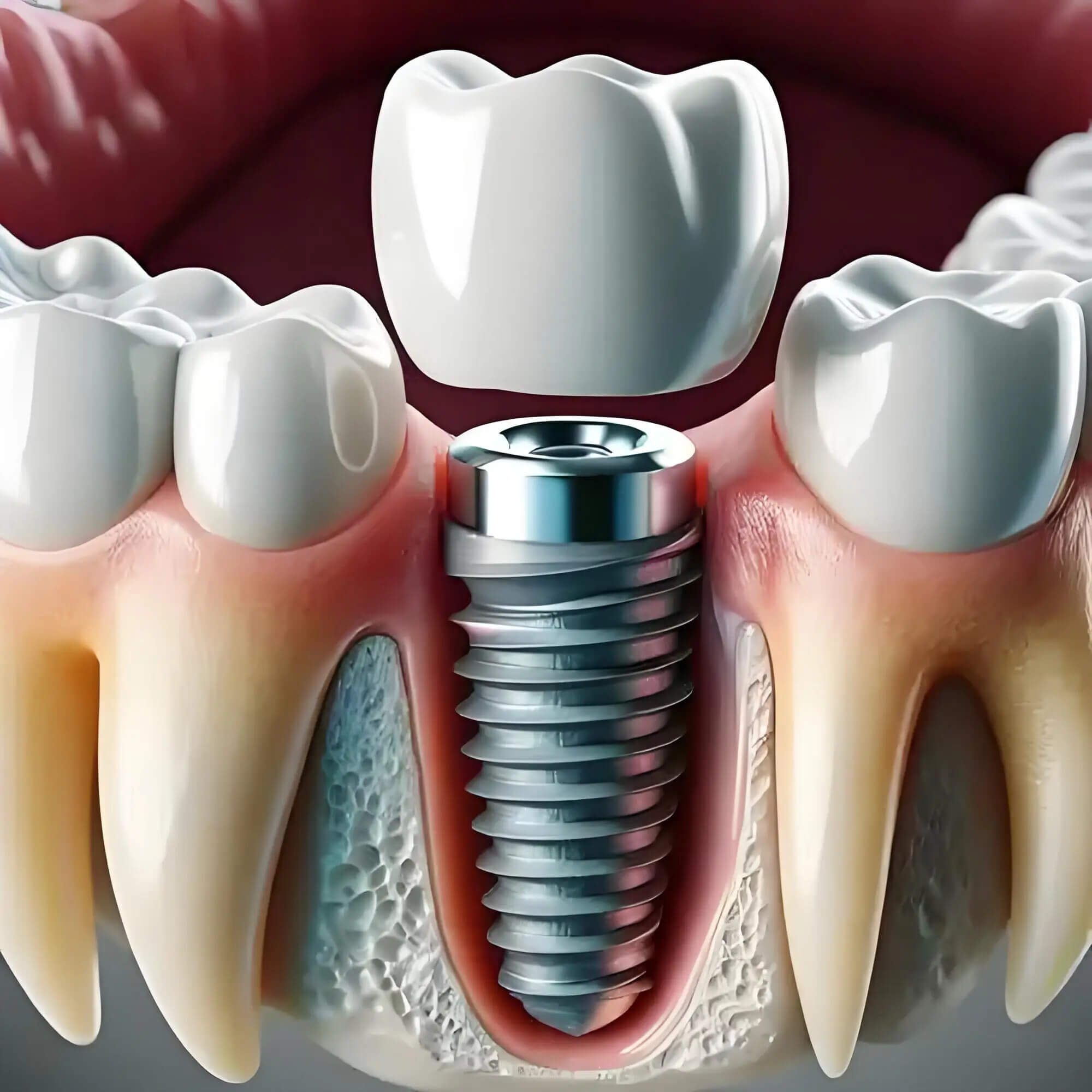
- Extraction: If a tooth is too damaged to restore, removal may be the safest option. Tooth replacement options include implants, bridges, or removable solutions.
- Antibiotics: These may be prescribed if there is spreading infection, but antibiotics alone do not fix a necrotic tooth; definitive dental treatment is still necessary.
Myths to leave behind in 2026
- “No pain means no problem.” Many necrotic teeth stop responding to cold or heat, but infection can still progress silently.
- “I’ll just take antibiotics.” Without removing the source of infection inside the tooth, symptoms typically return—and can worsen.
- “Dark teeth are only cosmetic.” Internal discoloration often signals deeper issues that need evaluation.
How to reduce your risk
- Keep a consistent routine: Brush twice daily with fluoride toothpaste, clean between teeth, and schedule regular dental checkups.
- Treat small problems early: Address sensitivity, chipped fillings, or cracks promptly to prevent pulp involvement.
- Protect your teeth: Use a mouthguard for sports and ask about a nightguard if you grind your teeth.
- Watch your diet: Frequent sipping of sugary or acidic drinks feeds decay-causing bacteria. Water is your friend.
- Manage overall health: Conditions like diabetes and smoking increase dental infection risks; coordinated care helps safeguard oral health.
Quick FAQ
- Can a necrotic tooth be saved? Often yes, with timely root canal treatment followed by proper restoration. The sooner you act, the better the prospects.
- Will it always hurt? Not necessarily. Some dead teeth are painless, which is why routine checkups matter.
- How fast does it progress? It varies. Trauma can lead to pulp death weeks to months later, while deep decay progresses over time. Pain or swelling can flare suddenly.
A final word
A necrotic tooth is more than a nuisance—it’s a warning sign your body is sending for good reason. In 2026, advances in imaging, anesthesia, and microsurgical techniques make diagnosis and treatment more precise and comfortable than ever. If something feels off, trust your instincts and book an exam. Acting early can mean saving your tooth, easing anxiety, and protecting your long‑term health. This article is for general information and not a substitute for personalized care from a licensed dental professional.
















