









Bleeding Gums: When to See a Dentist – What to Expect
Noticing blood on your toothbrush or in the sink can be alarming, but you’re far from alone. Occasional bleeding gums are common, and in many cases, they’re a sign your gums need a little more care rather than a cause for panic. Still, gum bleeding can also signal something more serious. Knowing when to see a dentist and what happens next can help you take confident, proactive steps toward healthier gums and a healthier smile.
Why gums bleed in the first place
Gums most often bleed because plaque—a sticky film of bacteria—builds up along and under the gumline. When plaque isn’t removed thoroughly, it irritates the gums and triggers inflammation. This early stage of gum disease is called gingivitis, and bleeding while brushing or flossing is one of its hallmark signs. With consistent care, gingivitis can usually be reversed.
Other common contributors include:
- Brushing too hard or using a stiff-bristled toothbrush
- Starting to floss again after a long break (initial bleeding often subsides within a week)
- Ill-fitting dental appliances like retainers
- Smoking or vaping, which weakens gum tissue
- Hormonal shifts (such as during pregnancy)
- Certain medications that thin the blood or reduce saliva
- Nutritional deficiencies (for example, vitamin C or iron)
- Systemic conditions like diabetes, which can affect healing and the body’s response to bacteria
When gingivitis is left untreated, it can progress to periodontitis, a more serious gum infection that can cause gum recession, loose teeth, and bone loss. Persistent bleeding should never be ignored—early intervention is much easier and more effective.
When it’s time to see a dentist
It’s smart to make an appointment if any of the following apply:
- Your gums bleed regularly for more than a week, even with gentle brushing and flossing
- You notice red, swollen, or tender gums
- You have persistent bad breath or a bad taste in your mouth
- Your gums are pulling away from your teeth or your teeth look “longer”
- Your teeth feel loose, or your bite feels different
- There’s pain, pus, or a pimple-like bump on the gum
- You have risk factors such as smoking, diabetes, or pregnancy and are noticing changes in your gums
If there’s severe pain, sudden heavy bleeding, facial swelling, or signs of infection like fever, call a dentist promptly. These can be signs of an urgent problem that shouldn’t wait.
What to expect at the dental visit
Going in with a sense of what will happen can make the experience more comfortable. A typical visit for bleeding gums includes:
Medical history and conversation: You’ll discuss your symptoms, habits (like brushing and flossing), medications, and overall health. Be honest about when the bleeding started and how often it occurs. If you’re pregnant, have diabetes, or take blood thinners, your dentist needs to know.
Gum and tooth examination: The dentist or hygienist will gently examine your gums for redness, swelling, and recession. They’ll measure the “pocket depths” around your teeth with a small probe—this helps determine whether gingivitis or periodontitis is present.
X-rays if needed: Bitewing or panoramic X-rays may be taken to check bone levels and look for hidden tartar and decay, especially if there are signs of deeper gum disease.
Professional cleaning: For many patients, a thorough cleaning removes plaque and tartar that regular brushing
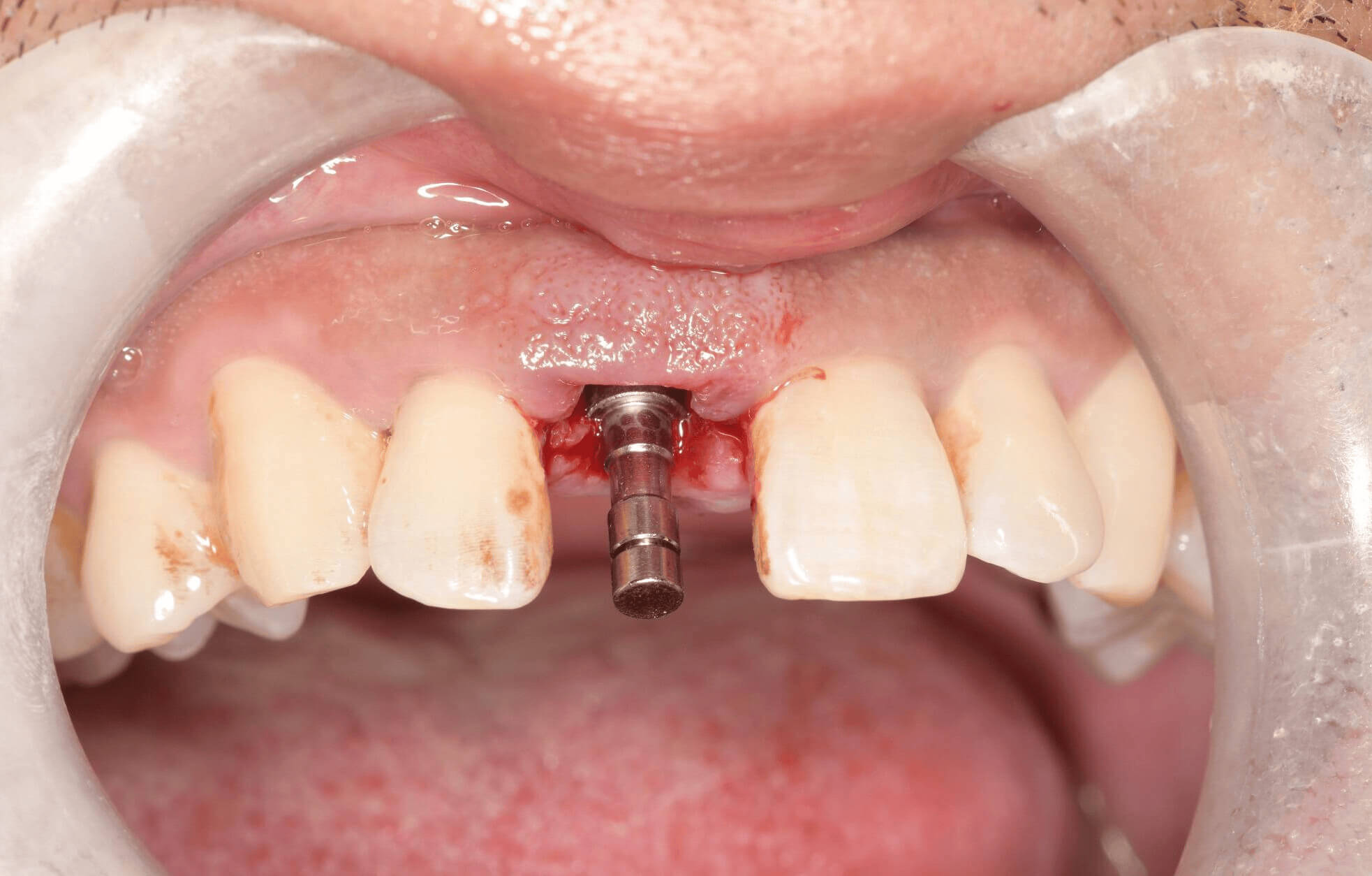
can’t reach. If tartar has built up under the gums or pocket depths are elevated, your dentist may recommend scaling and root planing. This deep cleaning smooths the tooth roots to help gums reattach and reduce inflammation.
Personalized home care plan: Expect tailored advice on brushing technique, flossing or interdental brushes, and possibly an antimicrobial or fluoride rinse. If your gums are sensitive, a soft or extra-soft toothbrush and a gentler approach might be recommended.
Follow-up schedule: Depending on your diagnosis, you might be advised to return for more frequent cleanings and re-evaluation of your gums. In moderate to severe cases, a referral to a periodontist (a gum specialist) may be appropriate.
How to care for bleeding gums at home
While you’re waiting for your appointment—or if your dentist confirms early-stage gingivitis—small changes can make a big difference:
- Brush twice a day with a soft-bristled brush for two minutes, using gentle, circular motions along the gumline. Consider an electric toothbrush with a pressure sensor.
- Clean between teeth daily. If flossing is uncomfortable, try floss holders, water flossers, or interdental brushes. Bleeding may occur at first; stick with it for a week and it often improves.
- Rinse with a warm saltwater solution (half a teaspoon of salt in a cup of warm water) once or twice daily for a few days to soothe irritation.
- Focus on a nutrient-rich diet. Vitamin C, vitamin D, B12, and iron are essential for gum health. Hydration and limiting sugary snacks help keep plaque in check.
- Quit smoking or vaping. Tobacco products impair blood flow and gum healing.
- Manage stress and get adequate sleep. Both affect immune function and inflammation.
What not to do: Don’t avoid brushing where your gums bleed. Gentle, consistent cleaning is exactly what helps them heal.
Preventing future bleeding
Once your gums are healthy, maintenance is everything. Schedule regular dental checkups and cleanings as recommended. Replace your toothbrush every three months or sooner if bristles fray. If you’re prone to buildup, ask about tools and products designed for plaque control, such as interdental brushes for tight spaces or toothpaste formulated for gum health.
Special considerations
Pregnancy: Hormonal changes can make gums more reactive to plaque, leading to “pregnancy gingivitis.” Good home care and professional cleanings can keep this in check, and dental visits are generally safe during pregnancy.
Diabetes: Keeping blood sugar controlled can significantly improve gum health—and vice versa. People with diabetes benefit from consistent professional care and vigilant home hygiene.
Medications: Some medications increase bleeding risk or reduce saliva. Talk to your dentist about alternatives or strategies to manage side effects, such as saliva substitutes or specific rinses.
The bottom line
Bleeding gums are your body’s early warning system. In many cases, they’re a sign to refine your oral hygiene routine and schedule a professional cleaning. But persistent bleeding, swelling, or other changes deserve a dentist’s attention to rule out or treat gum disease. With a clear diagnosis, a thorough cleaning, and a personalized home care plan, most people see noticeable improvement in just a few weeks. The sooner you act, the easier it is to restore healthy gums, fresh breath, and the confidence that comes with a clean, comfortable smile.
















