








Dentist Pricing: Hong Kong vs Shenzhen Compared 2026
Thinking about where to book your next dental appointment—Hong Kong or Shenzhen? In 2026, cross-border dentistry has become a familiar routine for many residents and expats in the Greater Bay Area, but the right choice depends on more than “which city is cheaper.” Dentist pricing is shaped by location, clinic type, technology, materials, specialist experience, and even your follow-up schedule. Here’s a clear, practical comparison to help you decide where your oral care budget goes furthest without compromising on quality.
How dentist pricing works in both cities
Across Hong Kong and Shenzhen, the headline fee reflects a bundle of factors:
- Clinical overheads such as rent, staff wages, and sterilization protocols
- Dentist training and specialist credentials
- Technology investments like digital scanners, CBCT imaging, and chairside milling
- Material brands and lab work quality for crowns, veneers, and aligners
- Consultation time, aftercare, and warranty policies
- Payment terms, financing options, and insurance billing
Instead of chasing a single “cheap” number, ask what’s included in each quote. A higher fee might include better materials, faster turnaround, or longer follow-up support—value that matters over the life of your dental work.
Hong Kong at a glance
Hong Kong’s dental market is dominated by private clinics. Public dental care for adults is limited, so most patients rely on private practices that offer everything from routine cleanings to complex prosthodontics and orthodontics. What you’re paying for often includes:
- Central locations with higher rent and shorter travel times
- Established specialists with international training
- Strong adherence to sterilization, radiography, and clinical documentation standards
- Consistent English support and straightforward insurance reimbursement
- Clear referral networks for surgery, sedation dentistry, and multi-disciplinary care
Shenzhen at a glance
Shenzhen’s dental sector has matured dramatically, with modern chains, boutique clinics, and hospital-affiliated centers investing in new technology and patient-friendly interiors. Competition encourages transparent packages and extended hours. You’ll often find:
- Contemporary equipment and digital workflows
- Wider appointment availability, including evenings and weekends
- Bundled treatment programs and loyalty plans
- Multi-clinic networks that streamline lab work
- Increasing bilingual support, especially in expat-friendly districts
Key differences that influence total cost
- Clinic location and overheads: Central Hong Kong addresses command premium rents; suburban or newer districts in Shenzhen may pass lower overheads into fees.
- Specialist supply: Highly credentialed specialists may be concentrated in certain Hong Kong districts and top-tier Shenzhen centers, influencing consultation and procedure rates.
- Materials and labs: International brand materials and high-end labs can raise fees in both cities. Some Shenzhen clinics offer a range of material options at different tiers.
- Technology stack: Digital impressions, same-day crowns, and AI-aided diagnostics can speed treatment but may be priced into the service.
- Appointment structure: Longer consults and comprehensive treatment plans can increase upfront cost but reduce surprises later.
- Exchange rates and payment methods: Currency fluctuations and cross-border payment fees can impact your effective spend.
- Aftercare and warranty: Policies for adjustments and follow-ups matter—especially for braces, aligners, crowns, and implants.
Service categories and what to expect
- Preventive care: Check-ups, cleanings, and fluoride treatments are widely available. Look for transparent hygiene protocols and clear oral health plans.
- Restorative dentistry: Fillings, inlays, onlays, and crowns vary by material and lab quality. Ask about durability and maintenance.
- Root canal therapy: Complexity depends on tooth type and anatomy; consider specialist endodontists for challenging cases.
- Orthodontics: Traditional braces and clear aligners are common in both ci
ties. Treatment timelines, aligner brand, and in-person monitoring affect overall value.
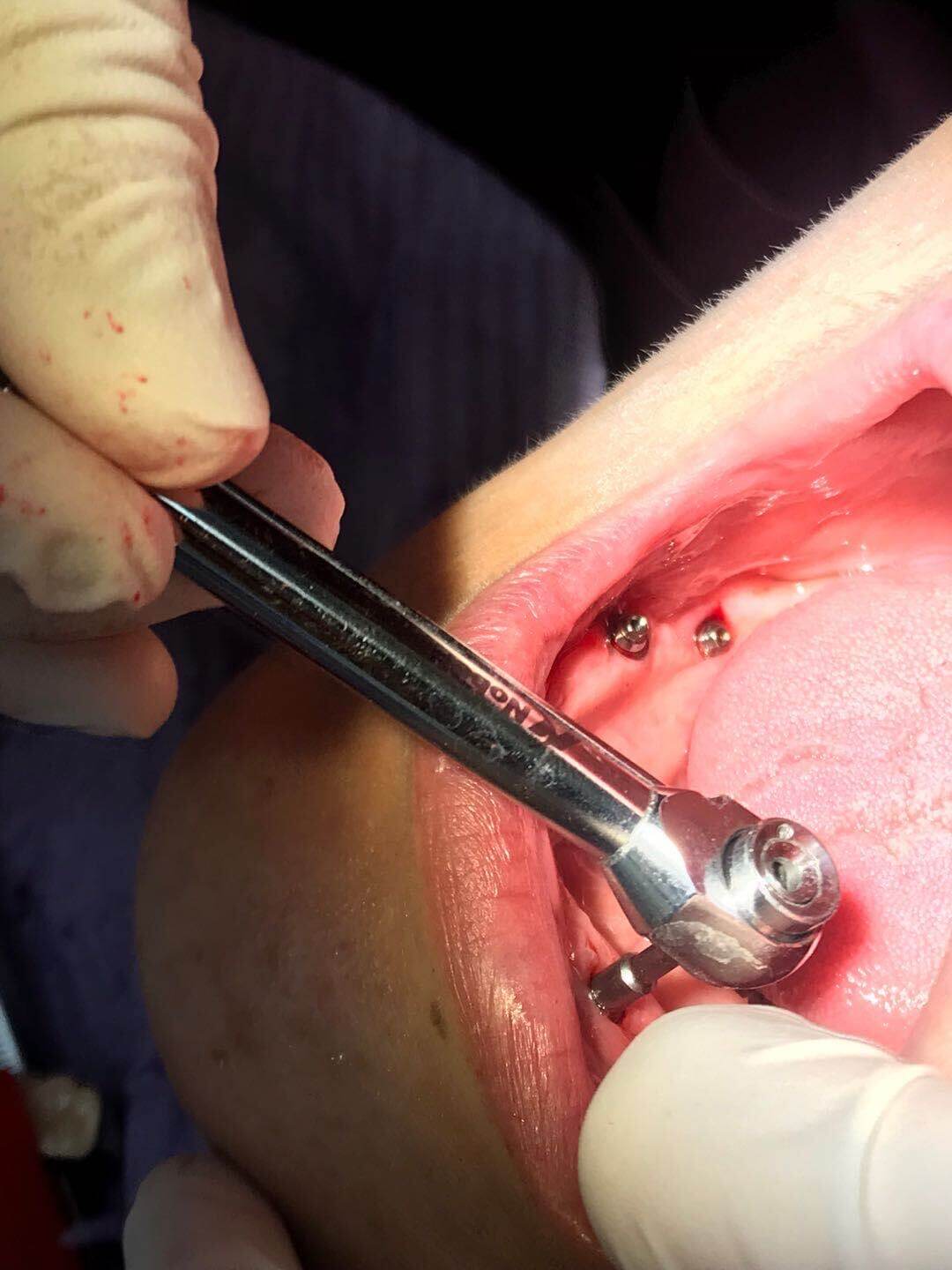
- Implants and prosthetics: Success depends on surgeon experience, implant system, bone grafting needs, and prosthetic materials. Clarify staged costs and follow-up visits.
- Cosmetic dentistry: Whitening, veneers, and bonding require a balance of aesthetics and bite function; insist on a mock-up or smile design preview.
Quality, safety, and peace of mind
Both cities regulate dentistry, but standards and enforcement frameworks differ. Prioritize:
- License verification and dentist credentials
- Infection control protocols and sterilization monitoring
- Clear treatment plans with options and risks explained
- Transparent consent forms and itemized invoices
- Access to second opinions for complex or costly therapies
Language support can be a deciding factor. Hong Kong clinics often provide English by default; Shenzhen’s offerings vary, though many urban clinics now cater to bilingual patients.
Insurance and payment
- Hong Kong private insurance and international plans may reimburse dental treatments, especially with itemized receipts and diagnostic codes.
- Mainland policies and membership plans in Shenzhen can reduce out-of-pocket costs but may require specific clinic networks.
- Ask about direct billing versus reimbursement, pre-authorization requirements, and any financing options if you’re planning multi-visit treatments.
Travel and logistics
Cross-border care can be budget-friendly but requires planning:
- Border queues and appointment timing: Early slots and off-peak travel can reduce stress.
- Follow-ups and emergencies: Crowns, implants, and orthodontics require multiple visits. Factor in travel time and flexibility for unexpected adjustments.
- Warranty policies: Some warranties require returning to the original clinic for checks and repairs.
- Records and imaging: Sharing X-rays and scans between cities is easier now, but ensure formats are compatible and data privacy is respected.
When Hong Kong may make more sense
- Urgent issues that require rapid attention close to home
- Complex, multi-disciplinary cases where referrals and hospital backup are beneficial
- Situations where insurance reimbursement is simpler locally
- Preference for consistent English service or long-standing specialist relationships
- Minimal time for border travel or unpredictable schedules
When Shenzhen may make more sense
- Routine care or planned treatments where scheduling flexibility matters
- Multi-tooth restorative work or orthodontics that benefit from packaged care
- Desire for modern digital workflows and potentially wider appointment availability
- Patients comfortable with cross-border travel and clear aftercare arrangements
Trends shaping 2026
- Digital dentistry is mainstream: intraoral scanners, CAD/CAM, and guided surgery are becoming standard in both cities.
- AI-assisted diagnostics help with caries detection and treatment planning, enhancing accuracy and patient education.
- Subscription-style preventive plans and bundled packages are gaining ground, improving cost predictability.
- Cross-border clinic networks are expanding, sometimes offering follow-up options closer to the patient to reduce travel burden.
Smart steps before you book
- Compare like-for-like treatment plans and material specifications
- Ask for timelines, number of visits, and follow-up fees
- Verify credentials and check recent patient reviews
- Clarify warranty terms, especially for prosthetics and implants
- Keep copies of X-rays, scans, and consent forms for future reference
Bottom line
In 2026, dentist pricing in Hong Kong and Shenzhen reflects more than a single figure. Hong Kong often emphasizes convenience, language continuity, and established specialist networks, while Shenzhen offers competitive options with modern tech and flexible scheduling. The best value comes from matching your clinical needs, travel tolerance, and aftercare expectations with a clinic that is transparent, credentialed, and aligned with your goals. Choose with your long-term oral health in mind, not just the fee on the invoice.
















